How to Backup iPhone to iCloud, Mac, or Windows (2026)

Quick answer: how to backup iPhone
TL;DR: To back up your iPhone, open Settings > [your name] > iCloud > iCloud Backup and tap Back Up Now. Stay on Wi-Fi until it finishes. For a local copy, use Finder on Mac or Apple Devices on Windows. Enable local backup encryption to include sensitive data such as Health records and saved passwords. Check the completed backup date before erasing your phone.
Before we begin
Windows users can download AltTunes for local iPhone backups, backup browsing, and selected-data exports. Use exports when you need accessible copies of photos or messages on a PC. Keep an Apple backup for the documented restore route below; exporting files alone does not create a device restore backup.
Quick Takeaways for iPhone backups
- Use iCloud for automatic daily backups when you have enough cloud storage.
- Use Finder on Mac or Apple Devices on Windows for a local copy before a reset or repair.
- Save the password for an encrypted computer backup. Your iPhone passcode is not a substitute.
- Check the backup date, separately synced data, and app recovery access before giving up the old phone.
Which iPhone backup method should you choose?
Choose based on where you want the backup to live. iCloud needs no computer and can run each day. A local backup gives you another copy before a repair, reset, or new-phone setup. You can use both; neither route includes every item on the phone.
Method | Best for | Requires | Main limitation |
|---|---|---|---|
iCloud Backup | Automatic daily backup | Wi-Fi, Apple Account, iCloud space | Free storage is shared with other iCloud data |
Finder on Mac | Local backup before reset or repair | Mac, cable, free disk space | Encryption password needed for encrypted restore |
Apple Devices on Windows | Apple's current PC backup route | Windows PC, Apple Devices, cable | Local backups need space on the PC |
iTunes fallback | PCs without Apple Devices; older Macs | iTunes, cable, disk space | Different menus from Apple Devices |
AltTunes | Local backup browsing and selected exports on Windows | Windows PC and connected iPhone | Exported files are not a full-device restore backup |
Google Drive or Dropbox | Extra copies of selected files | Cloud account and upload space | Cannot replace an iCloud or computer restore backup |
Prepare your iPhone and backup destination
A failed backup often comes down to storage, connection, or trust prompts. Check the destination first, especially if you plan to erase the iPhone today. Enough space on your phone does not mean enough space in iCloud or on your computer.
- Connect to reliable Wi-Fi for an iCloud backup.
- Check available iCloud storage in Settings > [your name] > iCloud.
- For a computer backup, check free disk space and use a cable that supports data transfer.
- Unlock the iPhone and respond to Trust This Computer if asked.
- Keep the phone connected until the backup finishes.
- Save any backup encryption password somewhere you can access without the iPhone.
Warning: Do not erase, trade in, or reset the phone because you switched backup on. Confirm a recent completed backup first. Keep access to your Apple Account and recovery methods too.
How to backup iPhone to iCloud
iCloud is the simplest option when you want automatic backups without a cable. For a manual copy, follow Apple's iCloud backup instructions. You need enough iCloud storage for the backup, separate from free space on the iPhone.
- Connect your iPhone to Wi-Fi.
- Open Settings and tap your name.
- Tap iCloud, then iCloud Backup.
- Tap Back Up Now.
- Stay connected to Wi-Fi until the backup finishes.
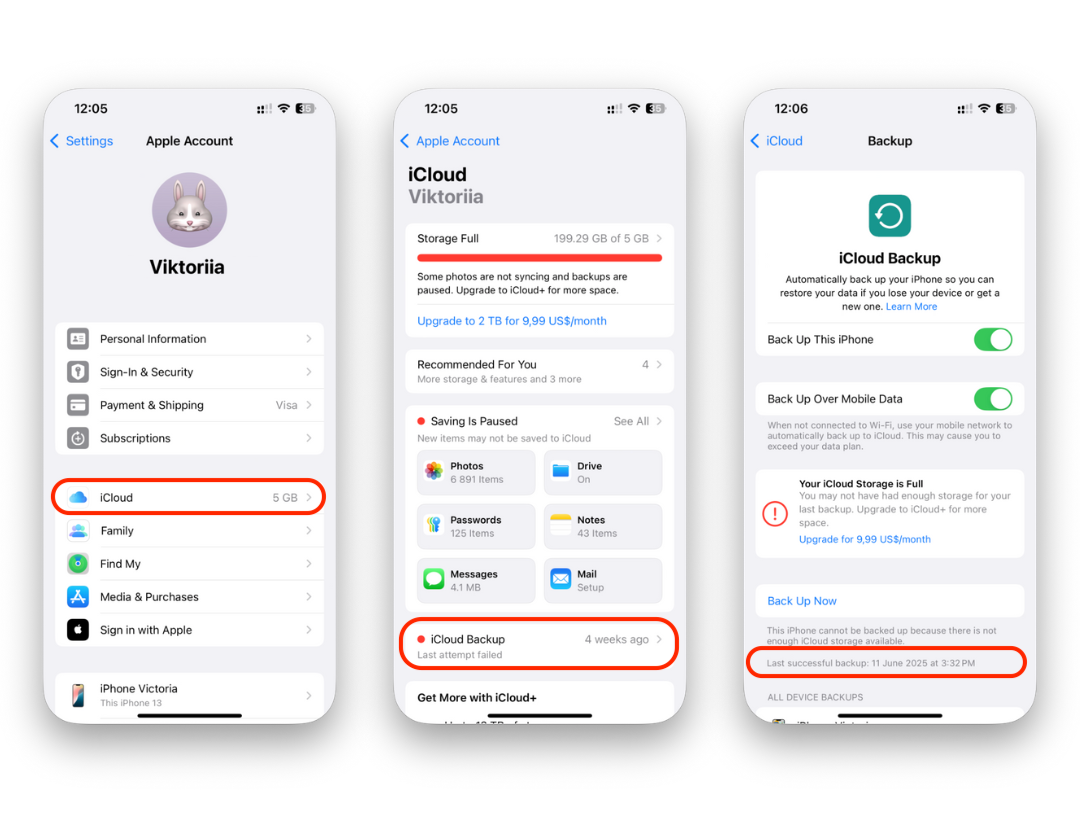
For automatic daily backups, enable Back Up This iPhone in the same settings. Connect the iPhone to power and Wi-Fi, and lock its screen. Those are the automatic-backup conditions; you do not need to lock the screen to start a manual Back Up Now job.
Apple includes 5 GB of free iCloud storage. Backups share that space with other iCloud data, so check available storage if a backup will not complete. Do not delete your only usable backup to make room for a replacement that has not finished.
Check your last iCloud backup
- Open Settings > [your name] > iCloud.
- Tap iCloud Backup.
- Look under Back Up Now for the date and time of the last successful backup.
If the date is old, the latest changes may not be in the backup. Run another backup and check again. A progress indicator or an enabled switch does not confirm completion.
How to back up iPhone to Mac with Finder
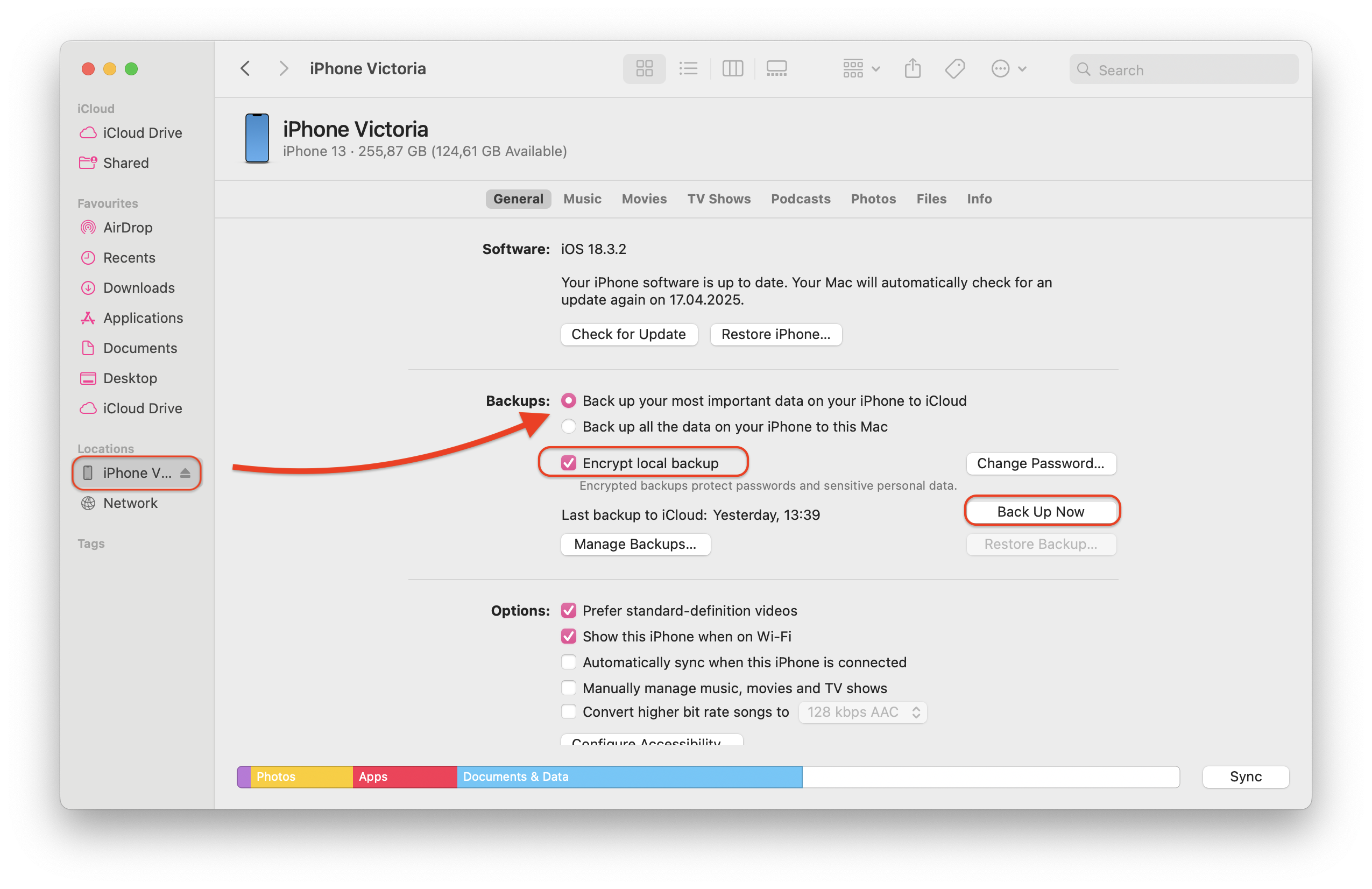
On macOS Catalina 10.15 and later, use Finder for iPhone backups. On macOS Mojave or earlier, use iTunes instead. Apple's computer-backup documentation describes the connection and trust prompts; keep the iPhone connected while the backup runs.
- Connect the iPhone to your Mac with a cable.
- Unlock the iPhone and approve Trust or Allow prompts if asked.
- Open Finder and select the iPhone in the sidebar.
- Open General and choose Back up all of the data on your iPhone to this Mac.
- Select Encrypt local backup if you want to include sensitive data. Set and save the password when prompted.
- Click Back Up Now and wait for completion.
- Check the latest backup date and time in Finder.
Encryption changes what a computer backup can include. Apple requires it for Health, Activity, and Keychain data. Encrypted backups can also include saved passwords, Wi-Fi settings, website history, and call history. They do not include Face ID, Touch ID, or your device passcode. The historical screenshot below locates the controls; select the Mac backup option for a local copy.
Can Google Drive or Dropbox replace an iPhone backup?
Google Drive, Dropbox, and OneDrive can hold copies of selected files. Use them for documents or photos you choose to upload. They do not create an iPhone restore backup containing device settings and app data. Check which files reached the service before relying on those copies.
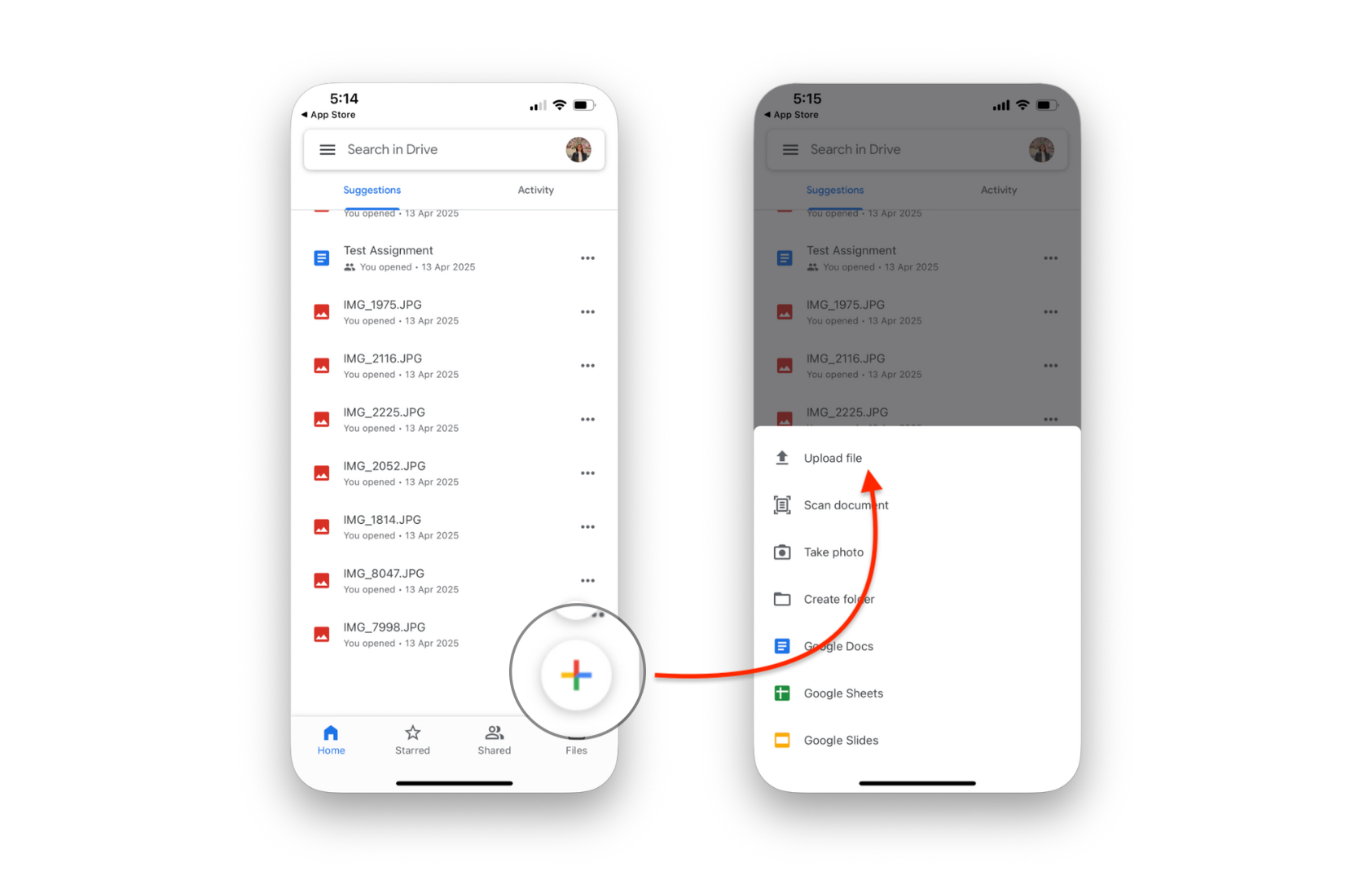
A folder of photos is useful if you need those photos on another computer. It will not rebuild your iPhone after a reset. Keep an iCloud or computer backup for recovery, and use cloud file storage as an extra copy of the files you need most.
How to backup iPhone on Windows with Apple Devices
- Open Apple Devices on your Windows PC. Install or update the app if needed.
- Connect the iPhone with a USB cable and unlock it.
- Approve the Trust This Computer prompt if it appears.
- Select the iPhone in Apple Devices, then choose General.
- Choose the option to back up all iPhone data to this computer.
- Select Encrypt local backup for sensitive-data coverage and save the password.
- Click Back Up Now. When it finishes, check the latest backup date and time.
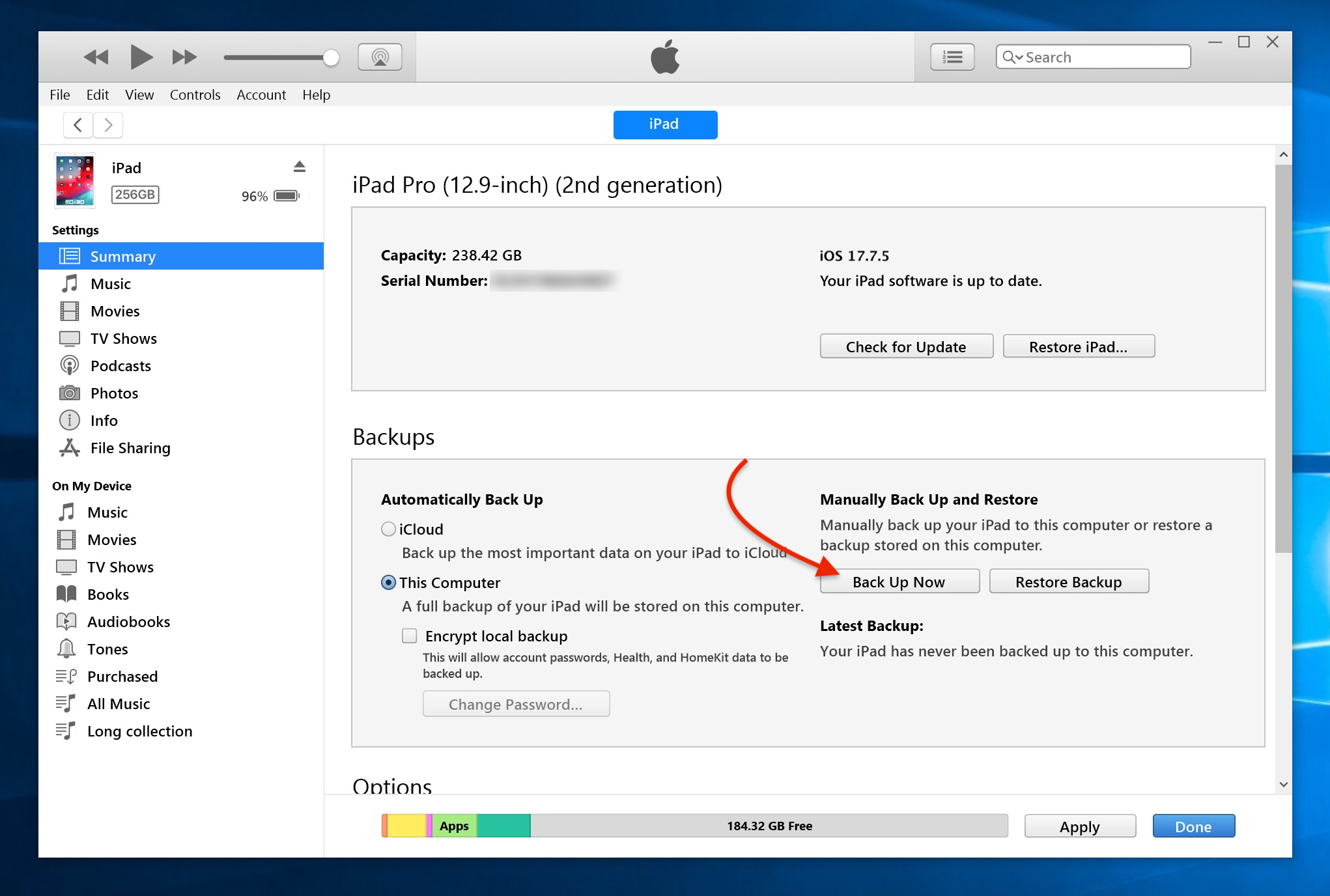
If your PC does not have Apple Devices, use the iTunes fallback below. Apple's Windows backup guide distinguishes Apple Devices > General from iTunes > Summary. The historical screenshot below shows iTunes with an iPad selected. For this guide, select your iPhone instead; this is not the Apple Devices interface.
- Open iTunes, connect the iPhone, and approve any trust prompt.
- Click the device icon, then Summary.
- Under Backups, choose This Computer.
- Select Encrypt local backup if needed and save its password.
- Click Back Up Now and wait for completion.
If Windows does not see the iPhone, unlock it, check the trust prompt, and try another data cable or USB port. Update Apple Devices or iTunes and restart the PC if needed. For more local-backup options, see how to back up iPhone without iCloud.
Use AltTunes for Windows backup browsing and exports
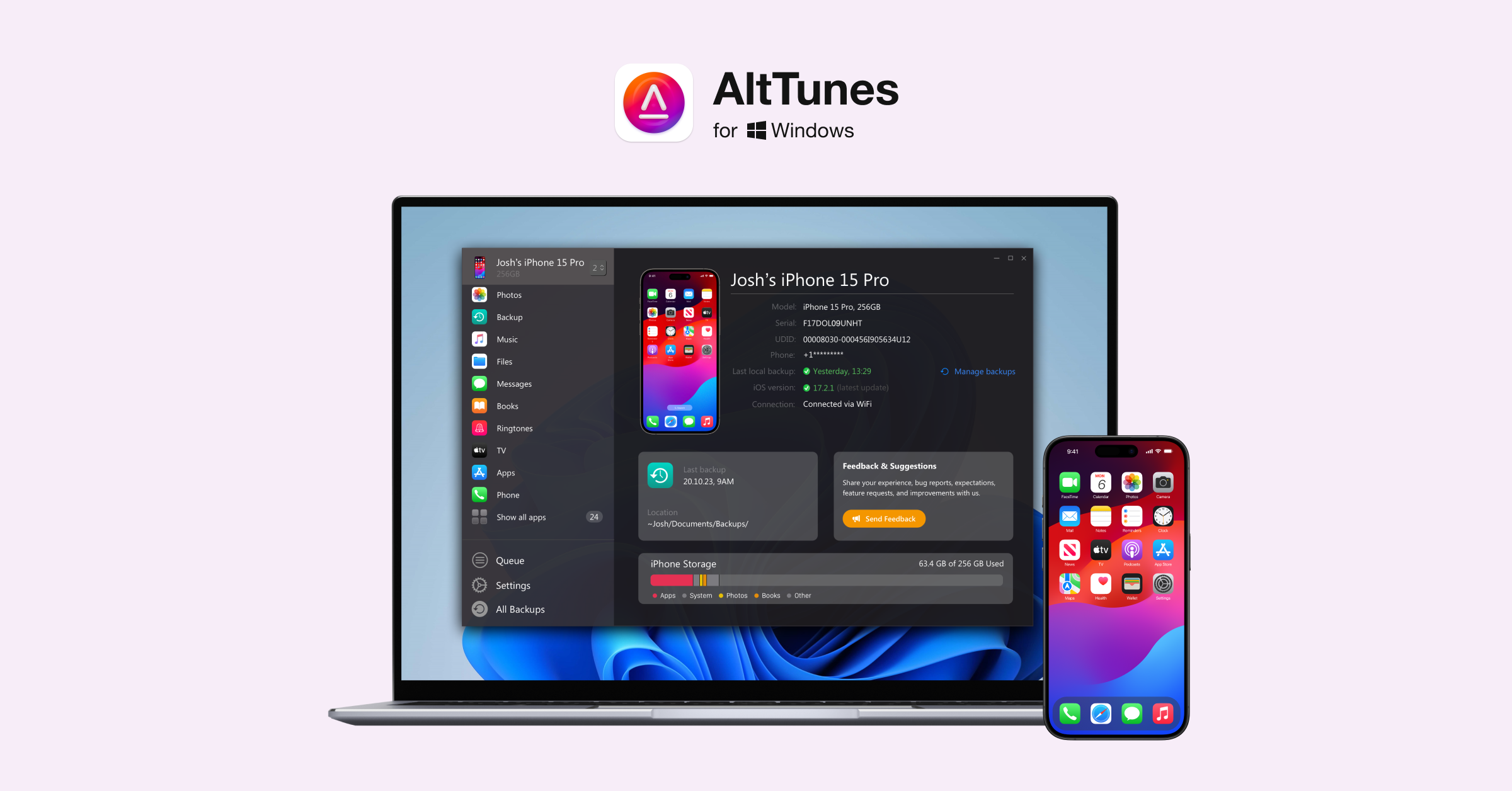
AltTunes is Softorino's Windows iPhone manager. It supports local backups and selected-data exports, including photos, messages, contacts, and music. It is relevant when you want to inspect saved data or keep accessible files on your PC as well as a backup.
Choose backup and export as separate jobs. A local backup supports recovery workflows; an export gives you individual files to open or store. Keep the Apple encrypted-backup route above for its documented sensitive-data coverage. Do not assume a folder of exported items replaces that backup.
Plan your AltTunes backup or export
- Download AltTunes from Softorino and install it on Windows.
- Connect your iPhone by USB and respond to any trust prompt.
- Decide whether you need a local backup or selected files. Check the current app guidance for that operation.
- Choose a supported save location on your PC with enough free space.
- Keep the iPhone connected until the operation finishes, then check the saved backup or exported files before changing the phone.
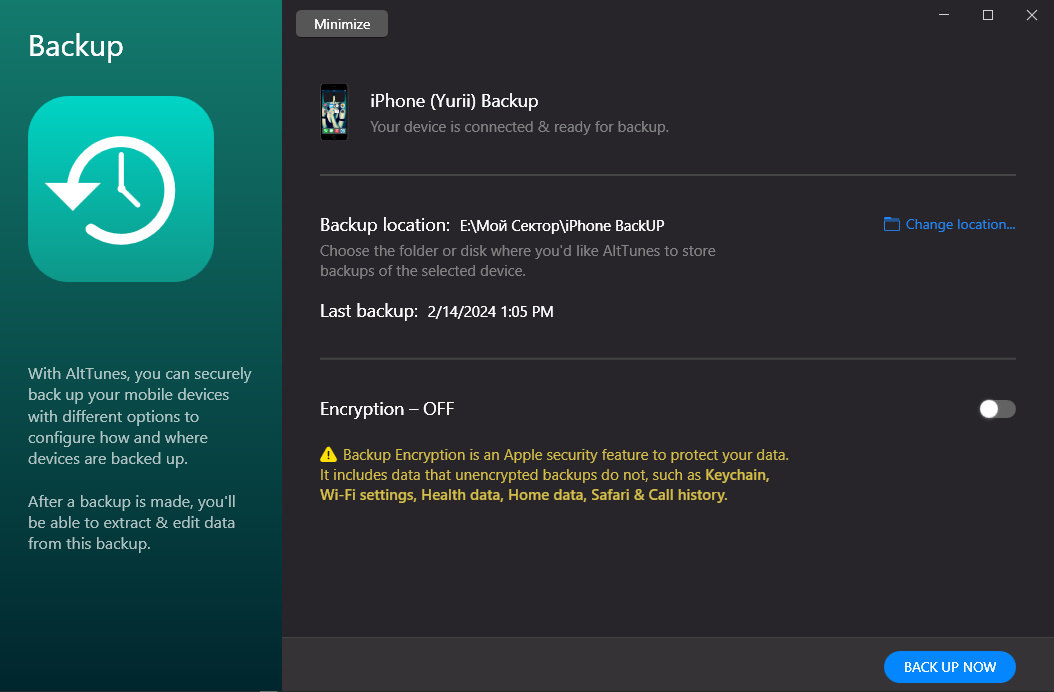
Softorino's local backup browsing guide describes AltTunes backup and export capabilities. These are documentation-based recommendations, not a report of a new app trial. Confirm support for your iOS version before relying on a third-party backup for a reset.
Verify your iPhone backup before reset or repair
Check the backup record, not only the setting. For iCloud, confirm the last successful date in iCloud Backup. In Finder or Apple Devices, select the iPhone, open General, then Manage Backups. Check the backup's date and the lock icon if you chose encryption.
In iTunes for Windows, use Edit > Preferences > Devices to inspect the backup list. Apple's encrypted-backup guide explains the lock icon and password requirements. Store the password safely; you cannot use an old encrypted backup without it.
- Confirm the backup belongs to the correct iPhone and has a recent date.
- Confirm you can access your saved encryption password. Do not erase or restore the phone merely to test it.
- Check Photos, Contacts, and Messages that sync separately, plus important files stored in other services.
- Check recovery access for authenticator, banking, and work apps. Follow each app's own migration guidance.
- Keep the old iPhone until your needed data is available on the replacement.
When you are ready to recover data, follow the separate guide to restore your iPhone from a backup. Creating a backup and restoring one are different operations; avoid starting a restore while you are still protecting the source phone.
Fix a failed or slow iPhone backup
Start with the error message and the destination. An iCloud storage error needs a different fix from a PC that cannot detect the phone. Keep the existing backup until a replacement completes.
Problem | What to check | Next action |
|---|---|---|
iCloud says storage is insufficient | Available iCloud space | Review storage use or upgrade the plan; preserve your only usable backup |
iCloud backup takes a long time | Wi-Fi connection and backup size | Keep a stable connection and power; allow the first backup time to finish |
Mac or PC cannot see iPhone | Cable, unlocked screen, trust prompt | Reconnect with a data cable and approve the prompt |
Computer backup fails | Disk space and Apple software updates | Free space safely, update the app, and retry |
Encrypted backup password is missing | Saved password records | Look for the original password; resetting backup settings will not unlock an old backup |
If a full backup still fails, copy critical files you can access while troubleshooting. Label those as partial exports. Do not treat them as proof that your settings, messages, or app data are recoverable.
Understand backup, sync, export, and exclusions
A backup stores data for later recovery. Sync keeps supported data current across devices. Export saves selected files outside their original app. Before a reset, know which data depends on each method.
- Backup: iCloud Backup or an Apple computer backup stores supported device data and settings for recovery.
- Sync: iCloud Photos and Messages in iCloud keep their data in iCloud when enabled. That data is not duplicated inside the iCloud backup.
- Export: AltTunes or a file-storage app can save selected items for separate access. Those files do not restore the whole phone.
Apple's backup comparison lists the exclusions. Computer backups exclude Apple Pay information, biometric settings, and some content already stored in iCloud or synced from a computer. Health, Activity, and Keychain data need an encrypted computer backup. No method here is an exact copy of everything on the device.
Choose a backup you can verify
For everyday use, enable iCloud Backup and check that it completes. Before a reset or repair, add an encrypted computer backup when you can. Keep the password and confirm the backup date before handing over the phone.
If you also need browsable backups or selected exports on Windows, download the AltTunes trial. Check that the saved data meets your needs while you still have the original iPhone.
FAQs about backing up iPhone
Does iCloud back up everything on an iPhone?
No. iCloud Backup stores supported device data and settings, but data you already sync through services such as iCloud Photos or Messages in iCloud lives separately. Check those services and important apps before erasing the phone.
Is iCloud better than a computer backup?
Use iCloud for automatic everyday backups without a computer. Use Finder or Apple Devices for a local copy, with encryption for sensitive data. Keeping both gives you another recovery option before a reset or repair.
How do I back up iPhone without iCloud?
Connect the iPhone to a computer and use Finder on a current Mac or Apple Devices on Windows. Enable Encrypt local backup if you need sensitive-data coverage, save the password, and check the completed backup date.
How long does an iPhone backup take?
There is no fixed completion time. Backup size, the connection, and whether it is the first backup affect the wait. Keep the phone connected and check for a successful backup date rather than assuming elapsed time means completion.
Can I back up iPhone directly to an external drive?
Apple's standard Finder and Apple Devices steps save the backup on the computer; they do not provide an iPhone setting to select an external drive. Avoid moving or editing backup files casually, especially if they are your only copy.
Do I need iTunes to back up iPhone on Windows?
No. Apple Devices provides the current Windows backup route through its General section. If your PC does not have Apple Devices, use iTunes and its Summary section instead. Keep those menu paths separate.

AltTunes
Seamlessly Browse, Manage & Export iOS Data
