iOS 26 Parental Controls: What Parents Need in 2026

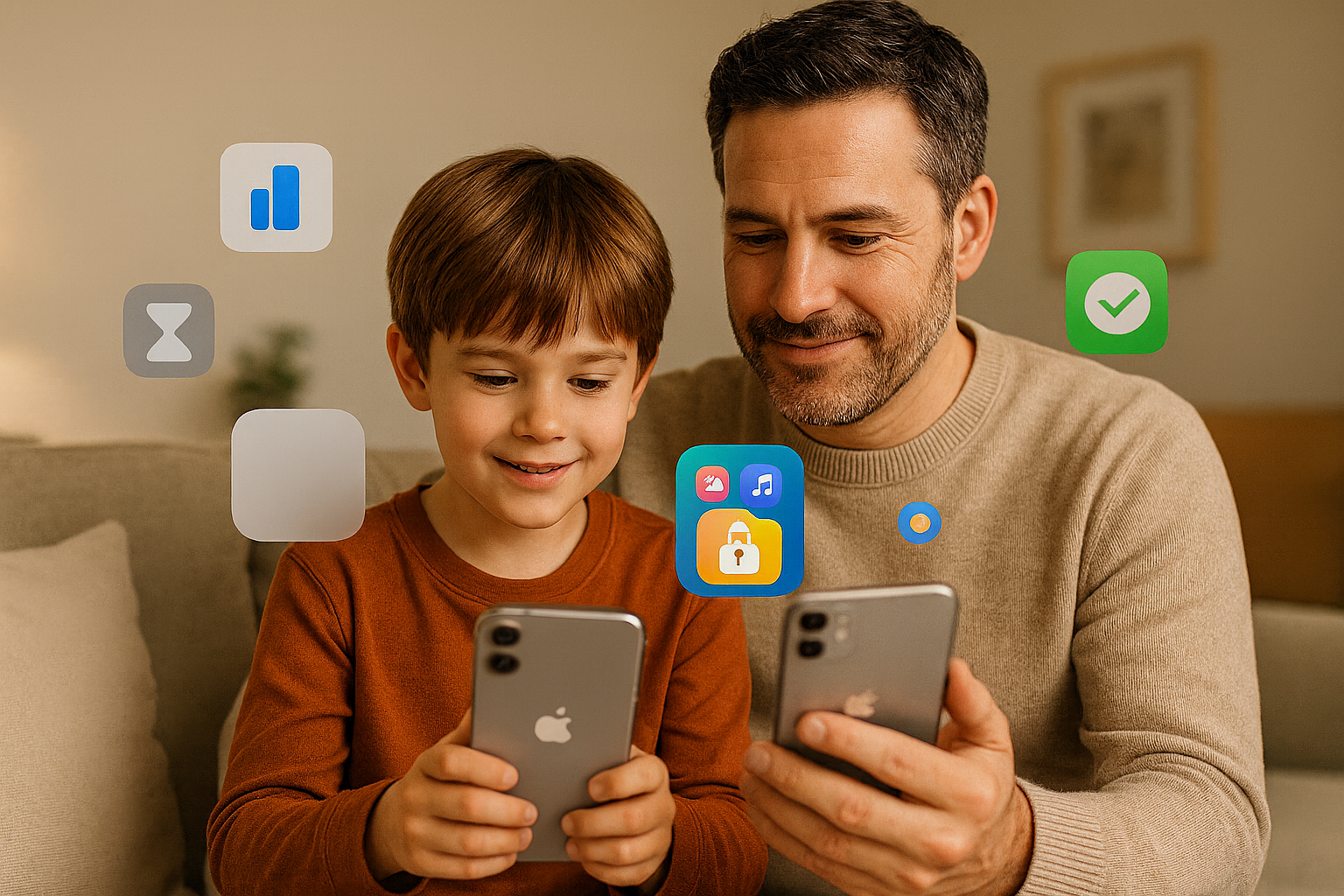
iOS 26 parental controls give parents stronger defaults for Child Accounts, safer contact approval, better app age ratings, and more privacy around a child's age. The short version: Apple made the setup harder to ignore, but you still need to review Screen Time, communication limits, web content, purchases, and app ratings yourself.
Use this guide to see what changed, set up the controls in the right order, and build a small library of parent-approved media your child can use without wandering through random apps or autoplay feeds.
Apple's controls are the foundation. Softorino tools can help with one separate job: moving parent-approved videos, music, audiobooks, PDFs, and school files onto an iPhone or iPad.
Quick answer
- Child Account setup is stricter. Parents get more age-based defaults during account creation and age confirmation.
- Teens get more protection by default. Apple expanded safety settings for ages 13-17 instead of treating teens like adults.
- New contacts need more review. Parents can approve communication requests before a child talks to someone new.
- App age ratings are more granular. Apple is moving toward 4+, 9+, 13+, 16+, and 18+ categories.
- Apps can ask for an age range. The Declared Age Range API lets apps receive a broad range instead of an exact birthdate.
Before we begin
Download WALTR PRO on Mac or Windows to transfer parent-approved offline videos, music, or books to a child’s iPhone or iPad. WALTR PRO handles only file transfer; configure age limits, communication rules, and web restrictions with the iOS parental controls below.
What Changed in iOS 26 Parental Controls?
The biggest iOS 26 parental controls change is not one magic setting. It is a set of defaults and approval flows that make child safety easier to set up and harder to forget.
Apple highlighted 3 parent-facing changes: easier Child Account setup, stronger protections for teens, and better age-appropriate experiences across apps. That means parents get more help at setup time, while apps can receive less personal age data.
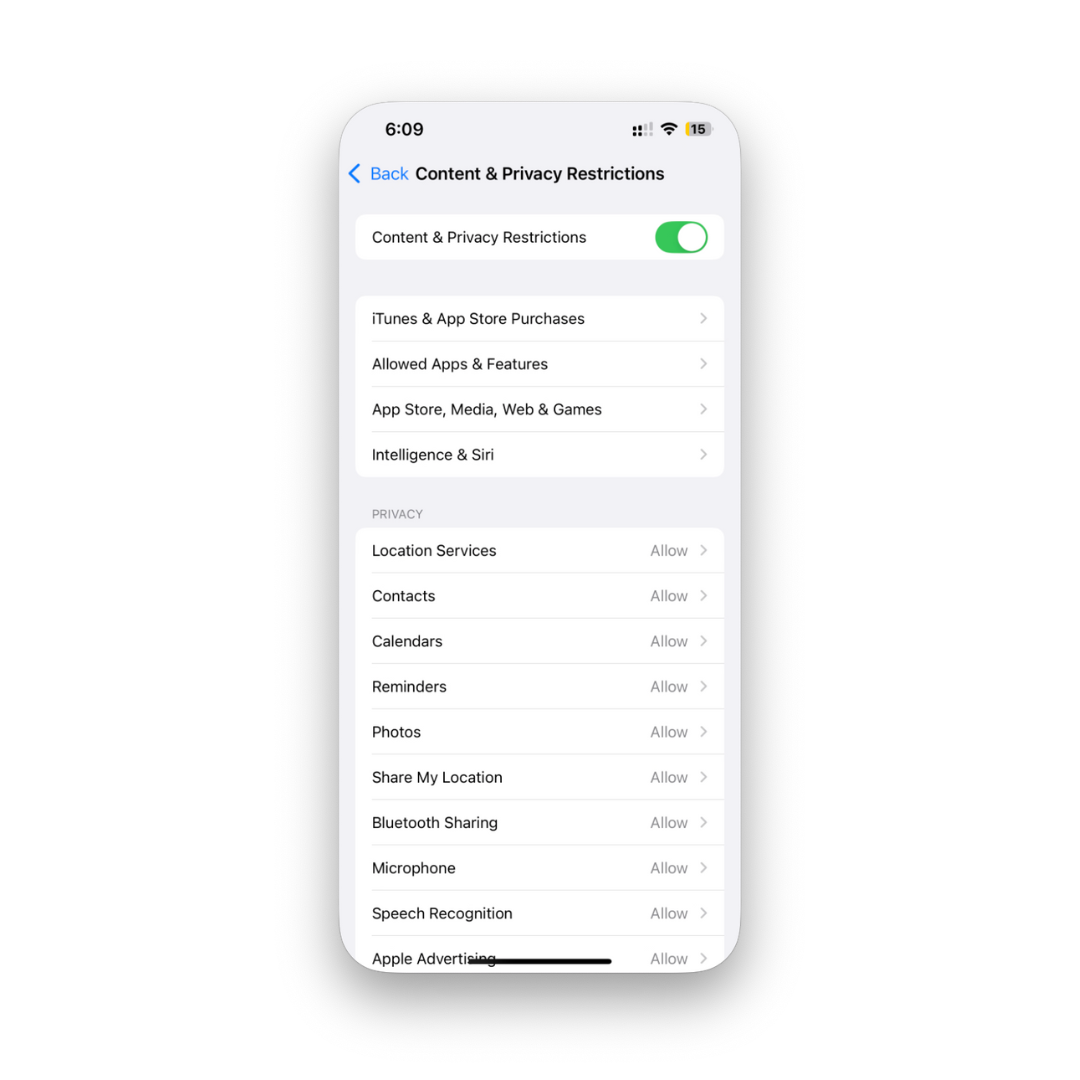
Do not treat default settings as finished settings. Open Screen Time after setup and check each category against your family rules.
Parent note
iOS 26 Parental Controls Setup Checklist
Set up iOS 26 parental controls from Family Sharing first, then tighten Screen Time. This avoids the usual Apple-settings scavenger hunt.
- Open Settings on your device and confirm you use Family Sharing.
- Add your child or confirm the child's Apple Account age.
- Open Settings > Screen Time and choose your child's name.
- Turn on Content & Privacy Restrictions .
- Review purchases, app installs, web content, Siri, Game Center, and privacy permissions.
- Set Communication Limits for Messages, FaceTime, Phone, and iCloud contacts.
- Add a Screen Time passcode your child does not know.
- Update every Apple device your child uses so Family Sharing and Screen Time rules stay aligned.
Apple's own setup docs are still the source of truth for exact menu names. Start with Apple Support's parental controls guide, then use this article as the plain-English checklist.
Child Accounts vs Teen Accounts in iOS 26
Parents often ask whether iOS 26 changes apply only to kids under 13. No. Child Accounts still get the strongest defaults, but Apple also expanded protections for teens aged 13-17.
Age or account type | What happens by default | What parents should check |
|---|---|---|
Under 13 Child Account | Stronger child-safety defaults during setup | Family Sharing, Screen Time passcode, web content, app limits, and contact approval |
Teens 13-17 | More default safety protections than older iOS versions | Communication Safety, app ratings, contact rules, Downtime, and web access |
Existing account with wrong age | Apple may offer age confirmation or account conversion paths | Correct the age, link Family Sharing, and review all Screen Time settings again |
Age matters because Apple uses it to apply default protections. If the age is wrong, the controls can be wrong too.
Communication Limits: Approving New Contacts
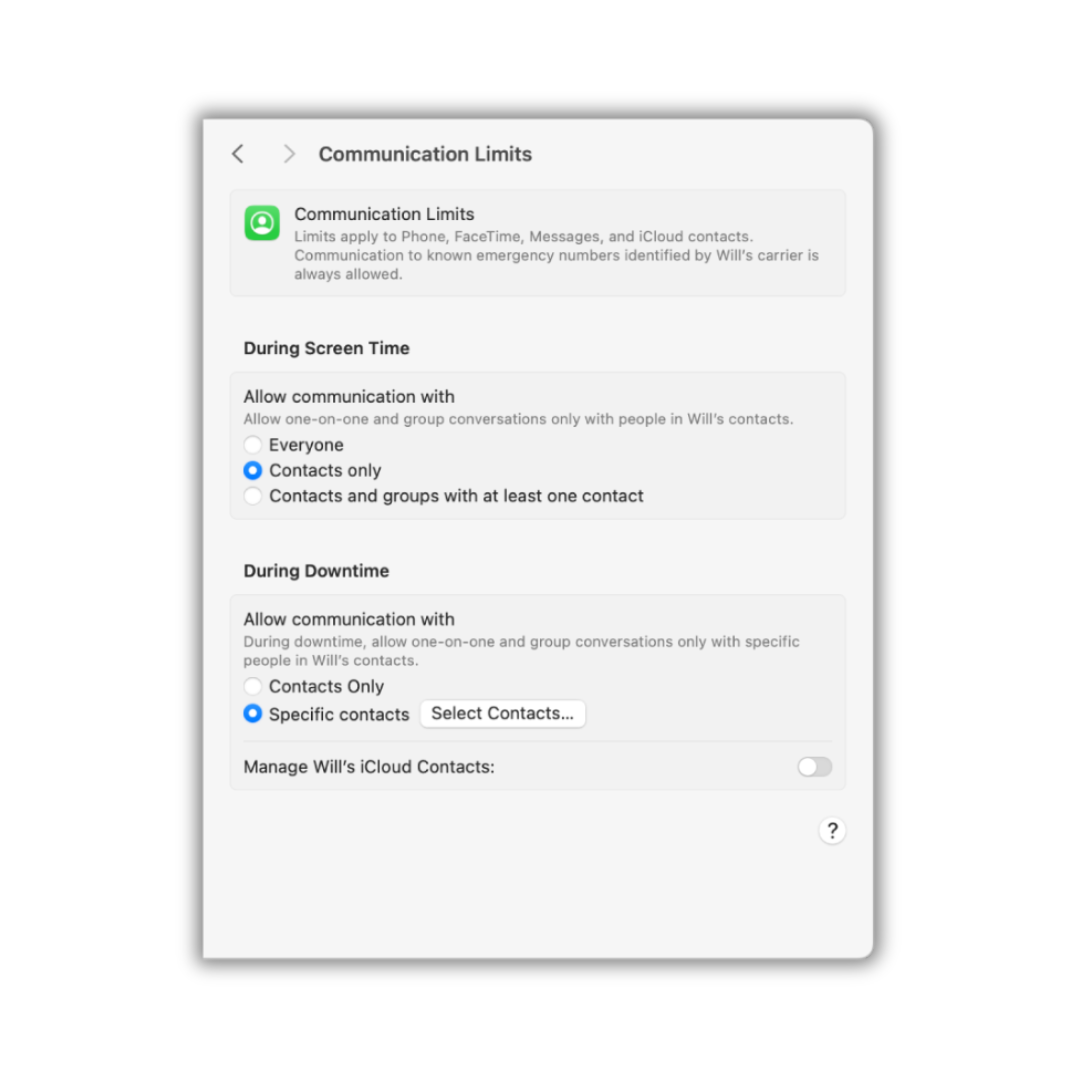
iOS 26 parental controls make contact approval more practical. If a child tries to message or call someone outside the approved list, parents can review that contact instead of leaving the decision to the child.
This matters for Messages, FaceTime, Phone, iCloud contacts, and apps that use Apple's child-safety frameworks. It does not mean every app on the phone obeys the same rule. Review high-risk apps separately.
Start with Contacts Only. This gives you a clean approved list.
Turn off contact editing. Kids should not be able to add workarounds on their own.
Review emergency contacts. Safety rules should not block real emergency access.
Check shared devices. Family iPads and older iPhones can carry stale settings.
For stricter homes, combine Communication Limits with Downtime. That lets you set who your child can contact during school hours, bedtime, or device-free family time.
App Ratings and Age-Range Sharing
Apple is moving App Store ratings toward more specific age bands: 4+, 9+, 13+, 16+, and 18+. That gives parents a better filter than a broad "kid-safe" label.
The privacy piece is the Declared Age Range API. Apps can ask for a broad age range, and parents can decide whether to share it always, share it per request, or never share it. The app does not need your child's exact birthdate for every age-appropriate feature.
- Use app ratings as a first pass. Ratings help, but they do not replace your own review.
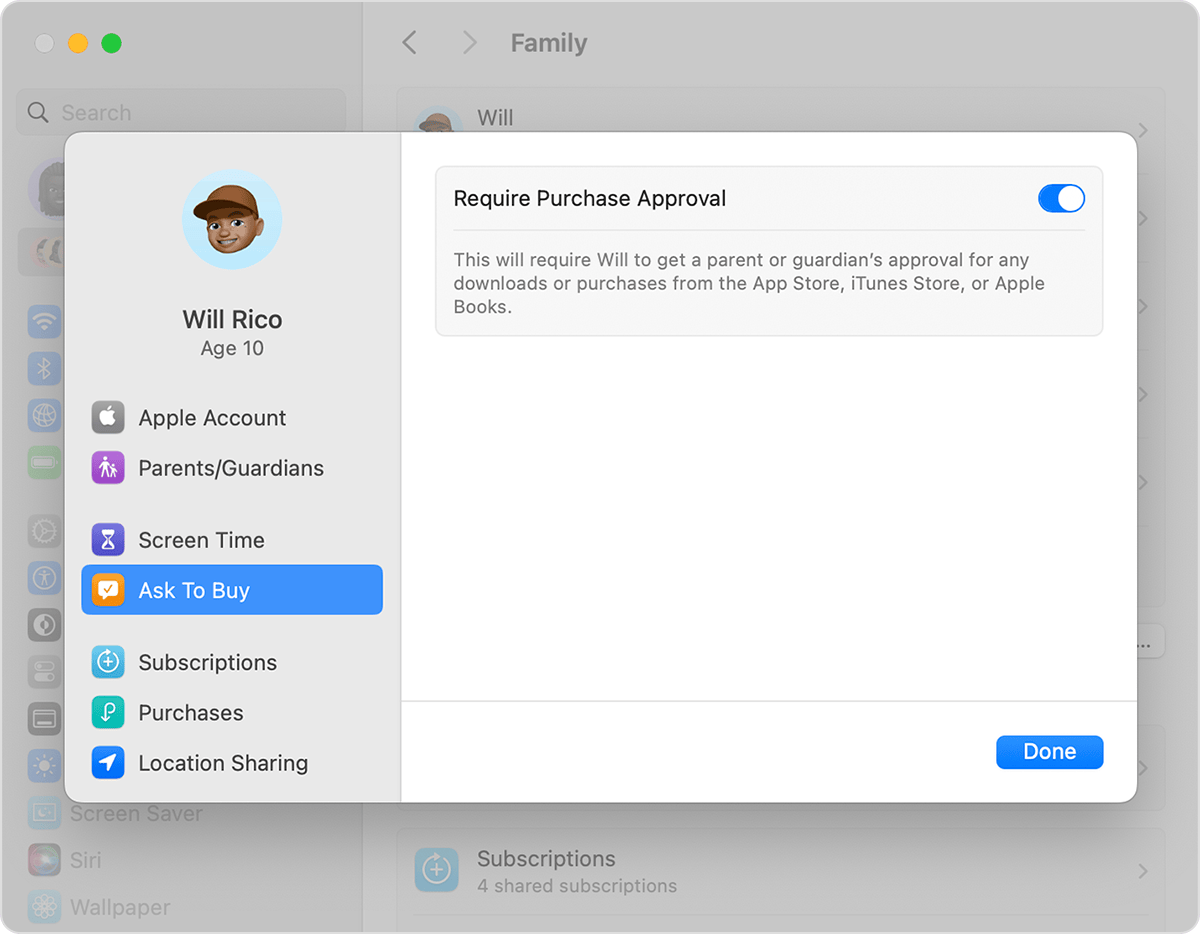
- Check in-app purchases. A safe-looking app can still have bad monetization.
- Review social features. Chat, public profiles, and sharing tools change the risk.
- Watch developer adoption. Age-range sharing works best when app developers support it well.
Apple explains these family-safety updates in its Newsroom announcement about protecting kids online. Use that for the official feature framing, then check Screen Time for the settings your child will actually use.
Screen Time Still Needs a Human Parent
Screen Time can limit apps, schedule Downtime, block adult websites, and report usage. It cannot decide your family rules for you. iOS 26 gives you better defaults, not a parenting autopilot.
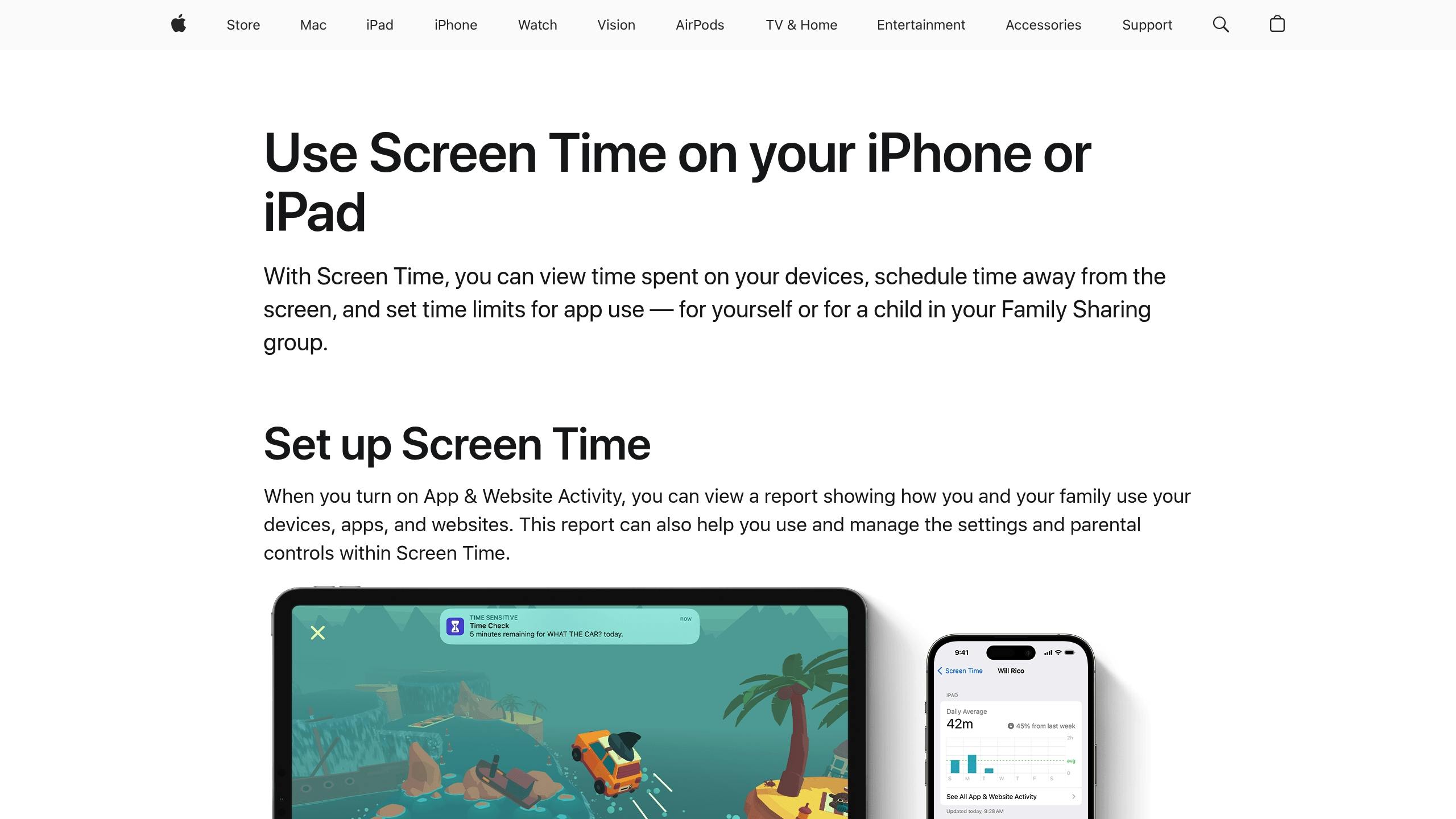
A useful setup starts with 3 questions: what can your child use, who can they talk to, and when should the device stay quiet? Answer those first. Then configure the settings around them.
- App Limits control time in selected apps or app categories.
- Downtime creates device-free windows for sleep, school, meals, or family time.
- Content & Privacy Restrictions handle purchases, explicit content, web access, and account changes.
- Activity reports show patterns, but you still need to talk through them with your child.
What iOS 26 Parental Controls Do Not Cover
The honest answer: iOS 26 parental controls are stronger, but they are not complete. Some protections depend on app support. Communication Safety can warn or blur sensitive content, but it does not replace family rules, trust, and regular device checks.
You also still need to manage offline media. A video, audiobook, playlist, or PDF can be perfectly fine for one child and wrong for another. Apple can help gate access. Parents still choose the material.
If your child uses YouTube, streaming apps, school portals, Discord-style communities, or in-app browsers, review those apps directly. Screen Time is one layer, not the whole wall.
Reality check
How to Build an Approved Offline Media Library
Once you set up iOS 26 parental controls, you can reduce a lot of browsing risk by preparing media ahead of time. That means parent-approved videos, music, audiobooks, ebooks, PDFs, and class materials already live on the device.
This is where Softorino fits. Not as a parental-control system. As a simple way to put approved files on an iPhone or iPad without making iTunes part of your evening. Nobody needs that kind of punishment.
Use WALTR PRO for Parent-Approved Files
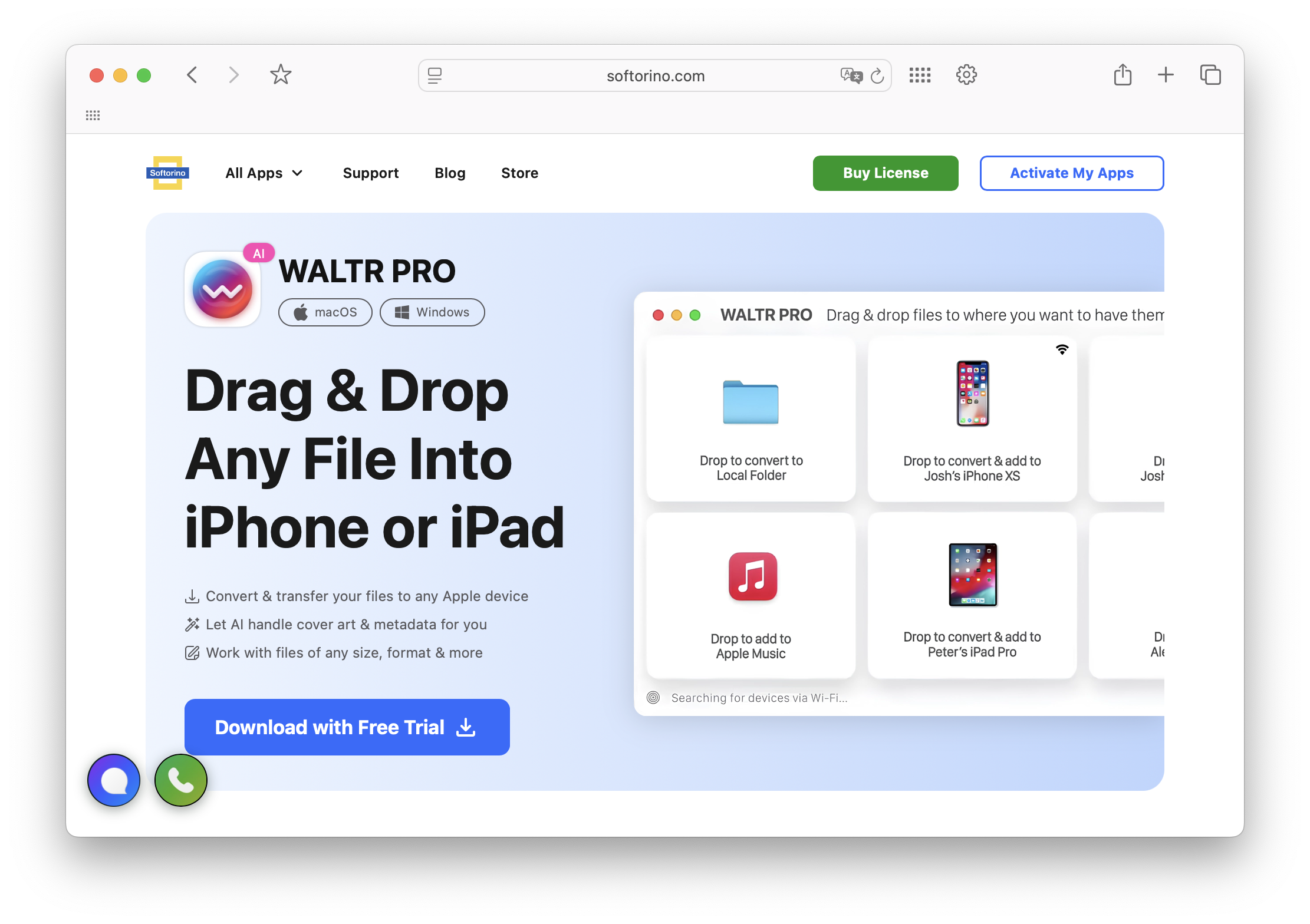
WALTR PRO transfers approved files to iPhone and iPad without iTunes syncing. You can move MP4, MKV, AVI, MP3, FLAC, EPUB, PDF, and other common formats from Mac or Windows. Files land in the matching Apple apps, such as Music, TV, or Books, when the format fits.
For parents, the use case is simple: choose the file first, then transfer it. Educational videos, audiobooks, language lessons, music practice files, PDFs, and school reading can go onto the device before your child opens a browser or streaming app.
WALTR PRO does not filter content or enforce Screen Time. It helps you move files you already approved.
Product boundary
Use SYC PRO for Parent-Reviewed Videos and Audio
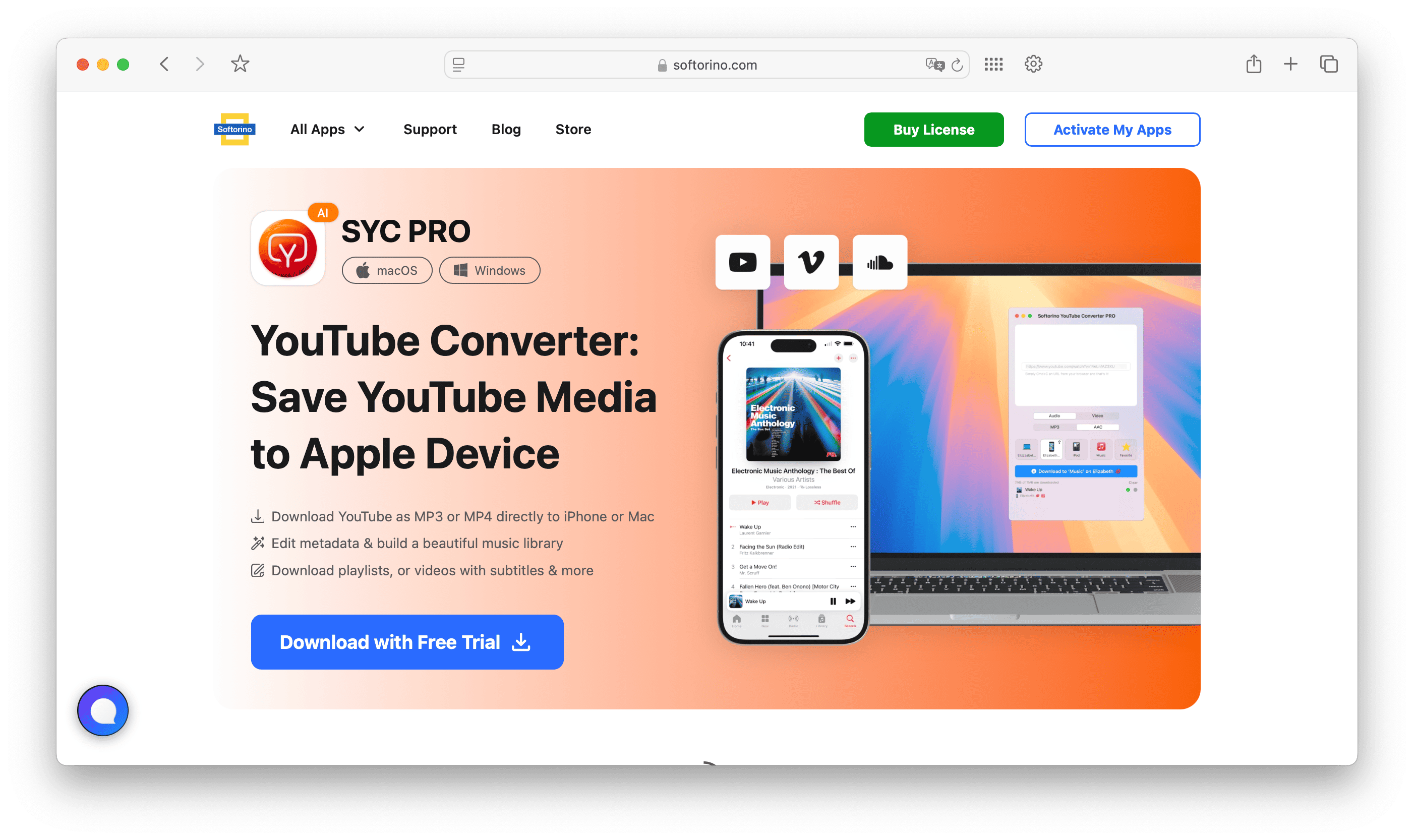
SYC PRO helps parents download parent-approved videos for offline viewing from sources such as YouTube, Vimeo, and SoundCloud. You can choose MP4 for video or MP3 for audio, then send the result to an iPhone, iPad, Apple Music, or the Apple TV app.
Use it for material you have the right to download and keep. For kids, that might mean a playlist of homework videos, music practice tracks, language-learning audio, or travel entertainment you already reviewed.
Do not use downloads as a shortcut around platform rules or copyright. Use SYC PRO for content you are allowed to save and share with your own family.
Legal note
A Safer Parent Workflow
The workflow is boring in the best way: pick the content, review it, transfer it, then let Screen Time manage when the device can be used.
Review the source first. Watch or skim the content before your child gets it.
Download or prepare the file. Use SYC PRO for allowed online videos or WALTR PRO for files you already have.
Transfer to the right app. Keep videos, books, and music easy to find.
Set Screen Time rules. Limit when and how long the device can be used.
Check usage later. Reports are useful only if you read them.
If you want both tools, the Softorino Universal License bundles WALTR PRO, SYC PRO, and other Softorino apps for one subscription. Try the free trial first with your own device and your own media.
Best iOS 26 Parental Controls Setup for Most Families
For most families, the best iOS 26 parental controls setup is not extreme. It is clear. Create or confirm the Child Account, turn on Content & Privacy Restrictions, set Communication Limits, review app ratings, schedule Downtime, and keep a Screen Time passcode private.
After that, use approved offline media to reduce open-ended browsing. WALTR PRO and SYC PRO can help there, but they should sit behind your family rules, not replace them.
Key Takeaways
- iOS 26 parental controls add stronger Child Account setup, teen defaults, contact approval, app ratings, and age-range privacy.
- Parents still need to review Screen Time, Communication Limits, purchases, web content, privacy settings, and Downtime.
- Child Accounts and teen accounts have different defaults, so confirm the child's age before trusting the setup.
- App age ratings and age-range sharing improve privacy, but app behavior still depends on developer support.
- Softorino tools can help parents curate approved offline media, but they do not replace Apple Screen Time.
FAQ
Do iOS 26 parental controls turn on automatically?
Some protections apply during Child Account setup and Apple expanded default protections for teens, but you should still open Screen Time and review every category. Default settings are a starting point, not a finished family setup.
How do I set up parental controls on my child's iPhone?
Use Family Sharing to create or confirm the child's Apple Account, then open Settings > Screen Time > your child's name. Turn on Content & Privacy Restrictions, set a passcode, review purchases, app limits, web content, Communication Limits, privacy settings, and Downtime.
What changed for teens in iOS 26?
Apple expanded default protections for teens aged 13-17, including safer communication and age-appropriate app experiences. Parents should still check Communication Safety, app ratings, contacts, web access, and Downtime for each teen device.
Can iOS 26 stop my child from messaging new contacts?
iOS 26 can help parents approve new contacts and restrict communication to approved people through Communication Limits. Review Messages, FaceTime, Phone, iCloud contacts, and any third-party apps your child uses because not every app follows the same Apple flow.
What are the new App Store age ratings?
Apple is moving toward 4+, 9+, 13+, 16+, and 18+ app age categories. The goal is more specific age filtering, so parents can choose apps with a clearer fit for a child or teen.
Do WALTR PRO or SYC PRO replace Apple Screen Time?
No. WALTR PRO and SYC PRO do not enforce parental controls. They help parents move or prepare approved media after Apple parental controls are set. Use Screen Time for limits and Softorino for curated offline files.

AltTunes
Seamlessly Browse, Manage & Export iOS Data
