MKV to MP4: Best Ways to Convert or Play MKV in 2026

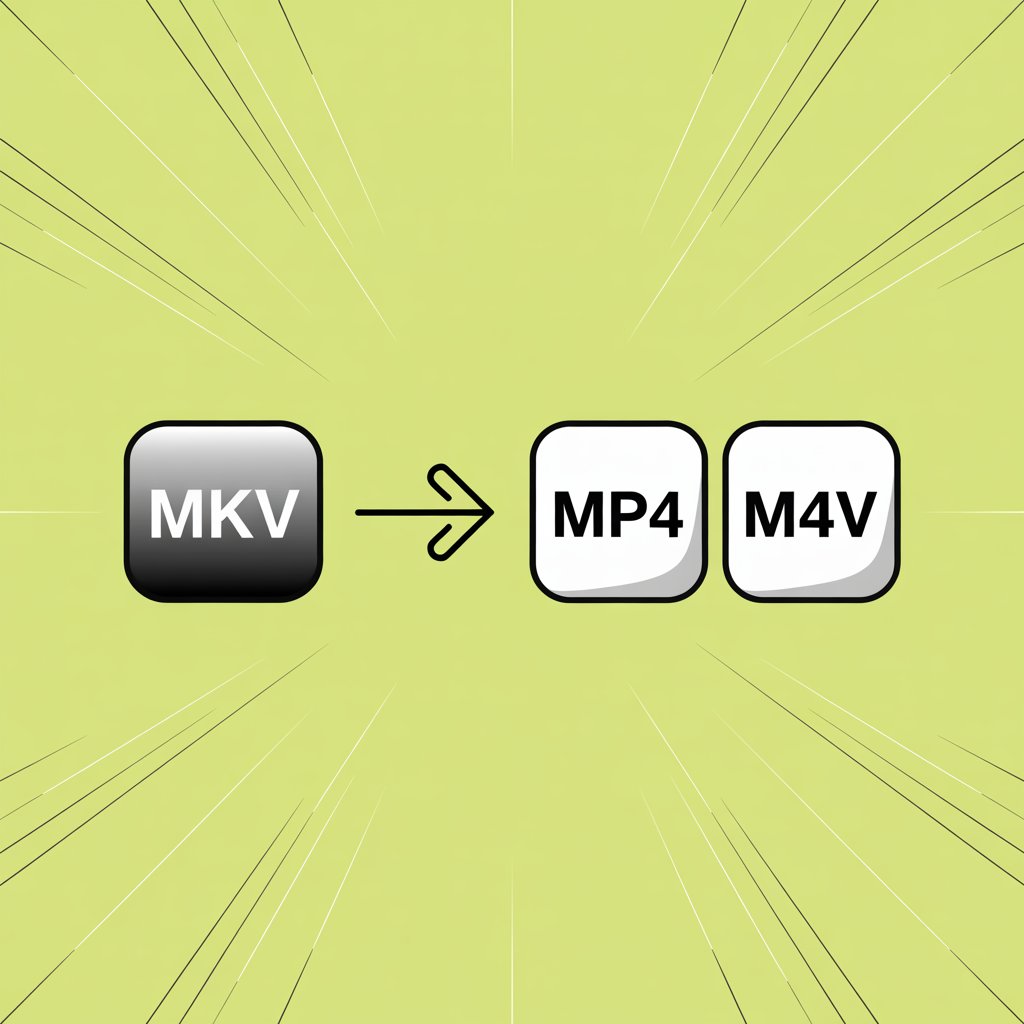
Need to convert MKV to MP4 because your iPhone, iPad, Apple TV, browser, or editor will not play the file? Start with the real problem.
Sometimes you need a true MP4 file. Sometimes you only need to change the container without touching video quality. And sometimes conversion is the wrong job because you only want to watch the MKV on an Apple device.
This guide shows the safest conversion methods: online converters, HandBrake, VLC, FFmpeg remuxing, WALTR PRO for iPhone/iPad transfer, and Beamer for Apple TV or Chromecast playback.
MKV to MP4: Pick the Right Method First
Most converter advice starts with a giant upload button. That works for tiny, non-private clips. It is a bad default for big movies, work footage, family videos, or anything you would rather not send to a random website.
Use this table first.
Your goal | Best method | Why it fits |
|---|---|---|
You need a quick MP4 from a small non-private clip | Online converter | Fast, no install, but you upload the file |
You need a real MP4 file on Mac, Windows, or Linux | HandBrake | Free, local, good quality controls |
You already use VLC and need a fast conversion attempt | VLC | Good for simple files and playback checks |
You want the fastest lossless container change | FFmpeg remux | Keeps quality when the streams are MP4-compatible |
You want MKV on iPhone or iPad without iTunes | Transfers video files to Apple devices without sync drama | |
You want to watch MKV on Apple TV or Chromecast | Streams MKV from Mac to TV without converting first |
Quick answer: HandBrake is the best free MKV to MP4 converter for most people who need a finished MP4 file. FFmpeg is fastest when you can remux without re-encoding. WALTR PRO is the better route when your real goal is to put the video on iPhone or iPad without iTunes.
Tip
MKV vs MP4 in Plain English
MKV and MP4 are containers. They are boxes that hold video, audio, subtitles, chapters, and metadata. The codec inside the box matters too.
That is why renaming movie.mkv to movie.mp4 usually does not work. You changed the label on the box. You did not change what is inside it.
Format | Best for | Apple-friendly? | Notes |
|---|---|---|---|
MKV | High-quality video libraries, multiple audio tracks, subtitles | Usually no in native Apple apps | Great container, weak native Apple support |
MP4 | Phones, browsers, smart TVs, editors, uploads | Usually yes | Best broad compatibility target |
M4V | Apple-style MP4 workflows | Yes in many Apple apps | Often close to MP4 with an Apple extension |
MOV | QuickTime and Apple camera workflows | Often yes | Good inside Apple apps, less universal than MP4 |
MKV's strength is flexibility. It can hold several audio tracks, subtitle tracks, and codec combinations. MP4's strength is compatibility. It is the safer choice for iPhone, iPad, Apple TV, browsers, and most sharing sites.
Keep the original MKV until you test the output. Conversion can drop audio tracks or subtitles if you pick the wrong settings.
Warning
Can You Rename MKV to MP4?
No, not as a real conversion.
Renaming .mkv to .mp4 only changes the filename extension. It does not change the container, video codec, audio codec, subtitles, or chapter data. Some apps may open the renamed file if the streams were already compatible, but that is luck, not conversion.
Use remuxing when the streams are already MP4-compatible. Use transcoding when they are not.
Remuxing vs transcoding
Remuxing changes the container without re-encoding the video. It is fast and usually lossless. It only works when the video, audio, and subtitles inside the MKV can live inside an MP4 container.
Transcoding re-encodes the video or audio. It takes longer and can reduce quality, but it fixes codec problems. Use it when the MKV contains streams your target device or app cannot play.
Use this rule:
- If the video is already H.264 or H.265 and the audio is AAC or another MP4-friendly format, try remuxing first.
- If the file has unsupported audio, subtitles, or video codecs, transcode with HandBrake, VLC, or FFmpeg.
- If your goal is only playback on an Apple device, consider WALTR PRO or Beamer before converting.
Method 1: Convert MKV to MP4 with HandBrake
HandBrake is the safest free choice when you need a real MP4 file and want to keep the work local. It works on Mac, Windows, and Linux.
HandBrake is best for private videos, large files, old media archives, work recordings, or anything you do not want to upload. It re-encodes video, so it is slower than remuxing, but it gives you better control over quality and compatibility.
Step 1: Install HandBrake
Download HandBrake from the official site and install it. Avoid random converter bundles. Video converter searches are full of junk because people are usually in a hurry.
Step 2: Open Your MKV File
Open HandBrake and choose the MKV file as the source.
If HandBrake cannot open the file, test the MKV in VLC first. If VLC cannot play it either, the file may be damaged or may use a codec your system cannot decode.
Step 3: Choose MP4 as the Output Format
In HandBrake, choose an MP4 output container. For broad playback, pick a preset built around H.264 or H.265 video with AAC audio.
For iPhone or iPad, use an Apple-friendly preset when available. For browser uploads or editing, use a general MP4 preset.
Step 4: Check Audio and Subtitles
This is where MKV files get annoying.
Open the Audio tab and choose the track you actually want. MKV files often have multiple language tracks or commentary tracks. Pick the wrong one and your MP4 may play with the wrong language or no useful audio.
Open the Subtitles tab too. Decide whether to burn subtitles into the video or keep them as selectable tracks. Burned-in subtitles work almost everywhere, but you cannot turn them off.
Step 5: Start the Conversion
Choose a save location, start the encode, and wait.
When it finishes, open the MP4 on your computer. Check the first minute, the middle, the ending, audio, and subtitles. Then move it to your phone, TV, editor, or upload site.
Method 2: Convert MKV to MP4 with VLC
VLC is a media player first, but it can convert video too. Use it when you already have VLC installed and need a quick attempt.
Use HandBrake when you care about predictable quality. Use VLC when you need a fast test or a simple file conversion.
VLC conversion workflow
- Open VLC on your Mac or Windows computer.
- Go to the Convert/Save option.
- Add your MKV file.
- Choose an MP4 profile, usually H.264 video with common audio.
- Pick a save location.
- Start the conversion.
- Test the MP4 before deleting the MKV.
VLC can work well for simple files. But its conversion settings are less friendly than HandBrake. If audio, subtitles, or quality look wrong, stop fighting VLC and use HandBrake or FFmpeg.
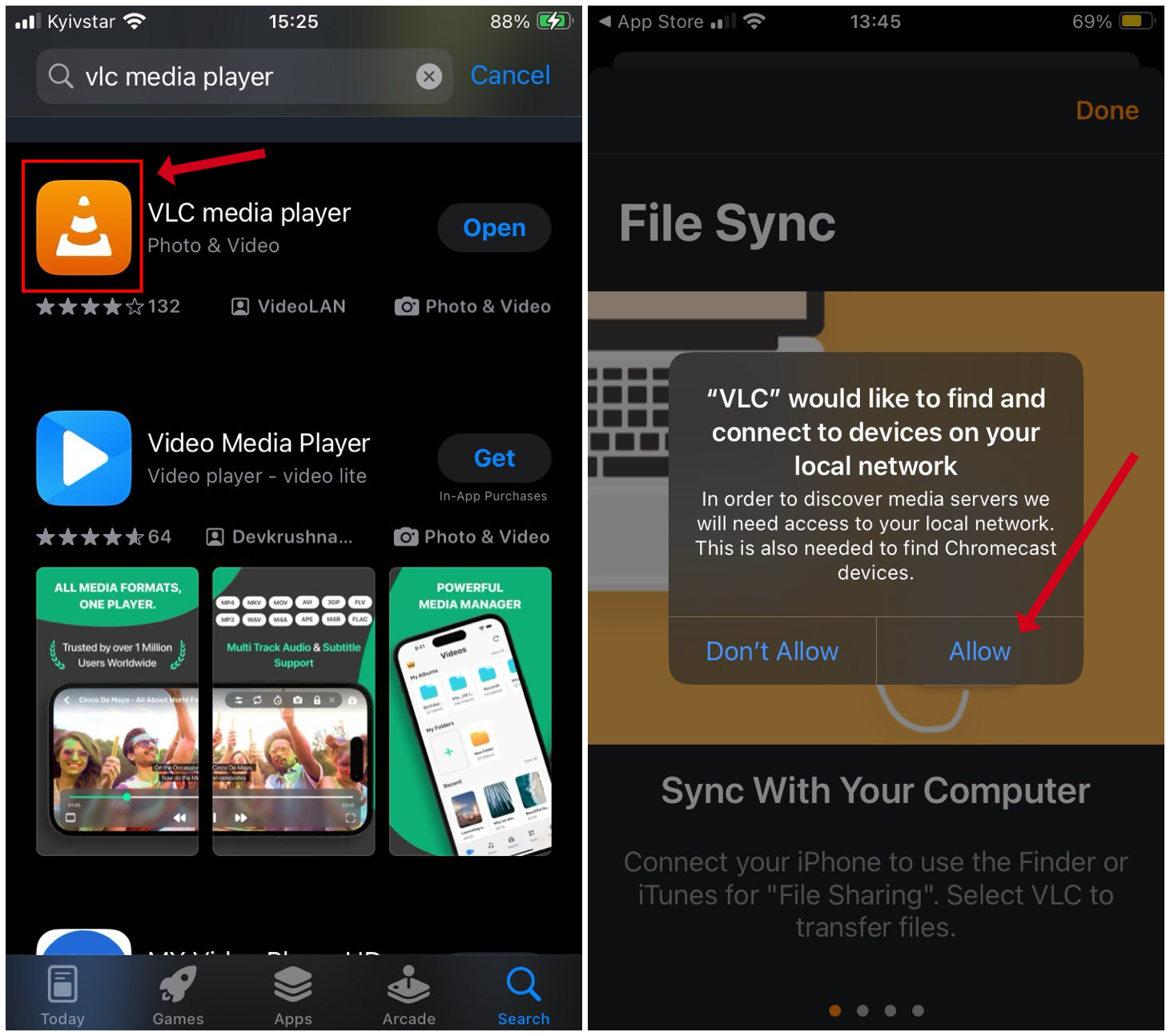
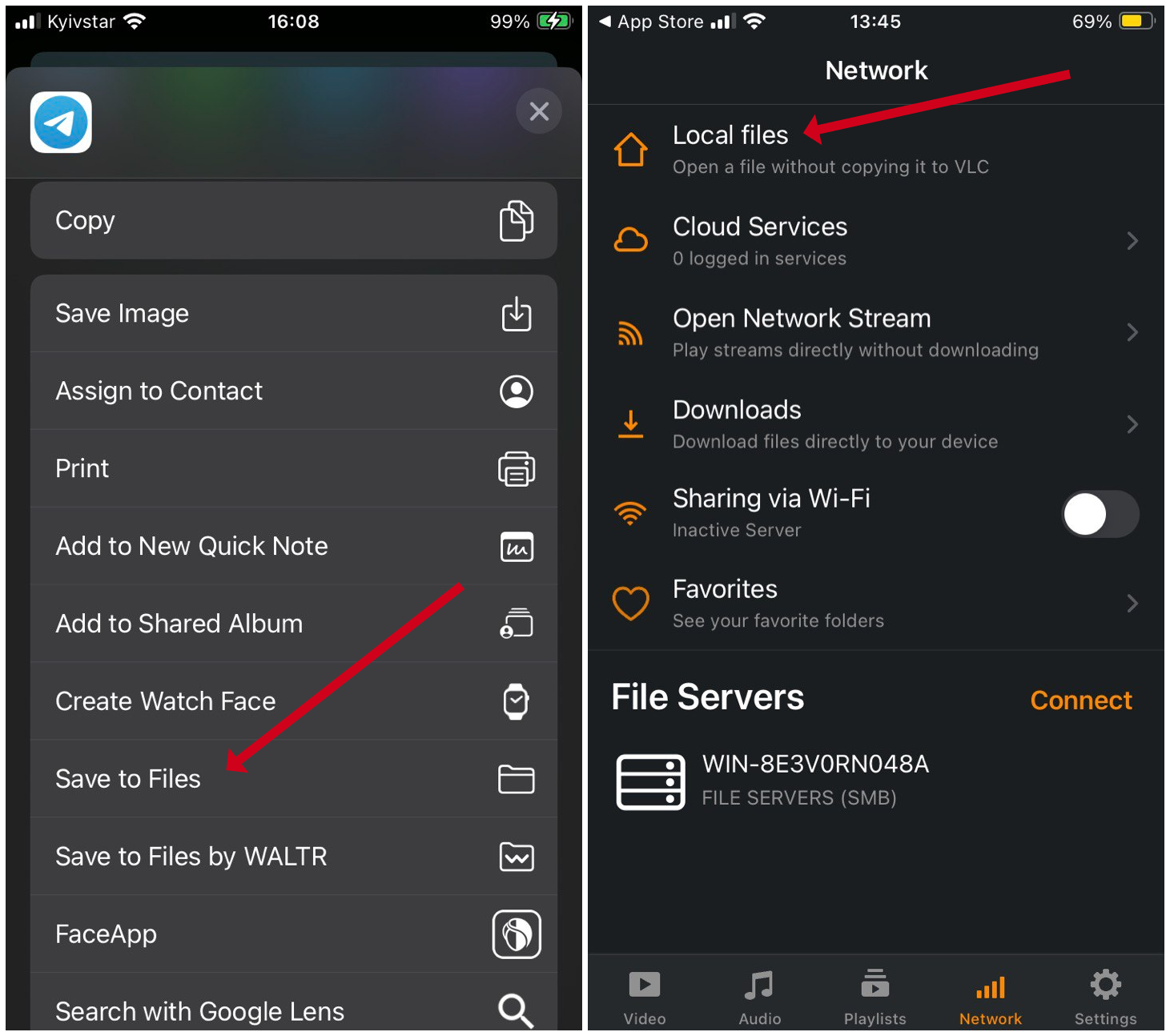
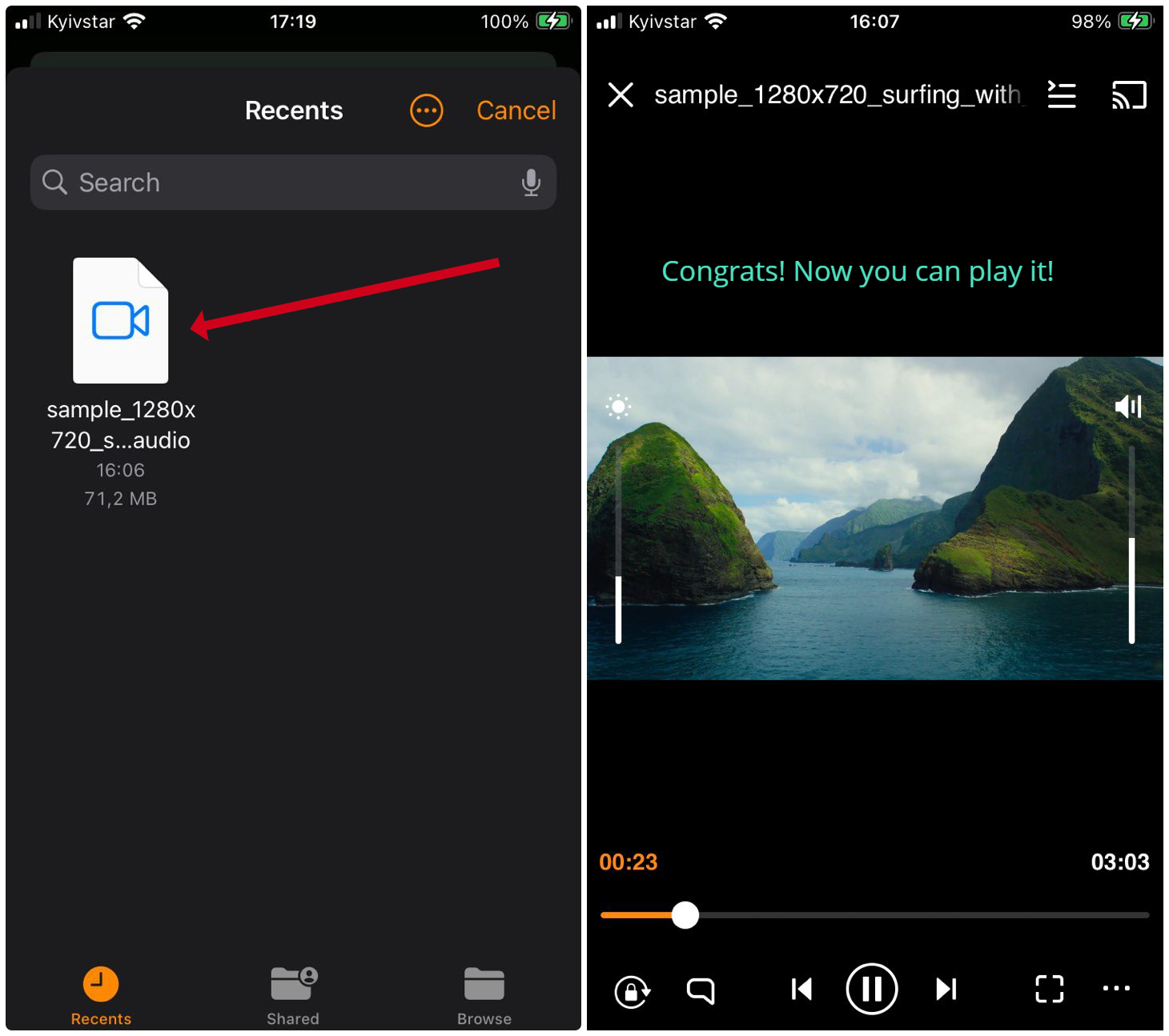
Playing an MKV inside VLC on iPhone is not the same as converting it. VLC playback is fine if all you want is to watch the file. It does not give you a clean MP4 file for other apps.
Warning
Method 3: Remux MKV to MP4 with FFmpeg
FFmpeg is the power-user route. It can remux video without re-encoding when the streams are compatible.
This is the fastest method because it does not rebuild the video. It only moves the streams into a new MP4 container.
A common remux command looks like this:
ffmpeg -i input.mkv -c copy output.mp4
That command tells FFmpeg to copy the video and audio streams instead of re-encoding them.
Use FFmpeg remuxing when:
Do not use simple remuxing when:
If remuxing fails, transcode instead. HandBrake is easier. FFmpeg can also transcode, but that is a bigger rabbit hole.
- You want the fastest container-change workflow.
- You do not want quality loss.
- The video and audio streams are compatible with MP4.
- You are comfortable with Terminal or Command Prompt.
- The file uses a codec MP4 does not support well.
- Audio disappears after remuxing.
- Subtitles do not carry over cleanly.
- Your target device still refuses to play the MP4.
Method 4: Use an Online MKV to MP4 Converter
Online converters dominate Google because they solve the surface problem fast. Upload file. Download MP4. Done.
That can be fine for a small test clip. It can be the wrong move for anything private or large.
Use an online converter when:
Avoid online converters when:
- The MKV file is small.
- The video is not private.
- You only need a one-off result.
- You do not need exact control over audio, subtitles, bitrate, or codec.
- You can accept upload time, compression, size limits, and account prompts.
- The video contains family, client, legal, medical, work, or unreleased content.
- The MKV is huge.
- You need to preserve multiple audio tracks.
- You need control over subtitles.
- You need repeatable results for many files.
Do not upload private video to a random converter. Some online tools publish privacy or deletion policies. Read them before uploading anything sensitive. If privacy matters, keep the file local and use HandBrake, VLC, or FFmpeg.
Warning
Method 5: Put MKV on iPhone or iPad with WALTR PRO
Use WALTR PRO when the goal is Apple-device playback, not a separate desktop MP4 export.
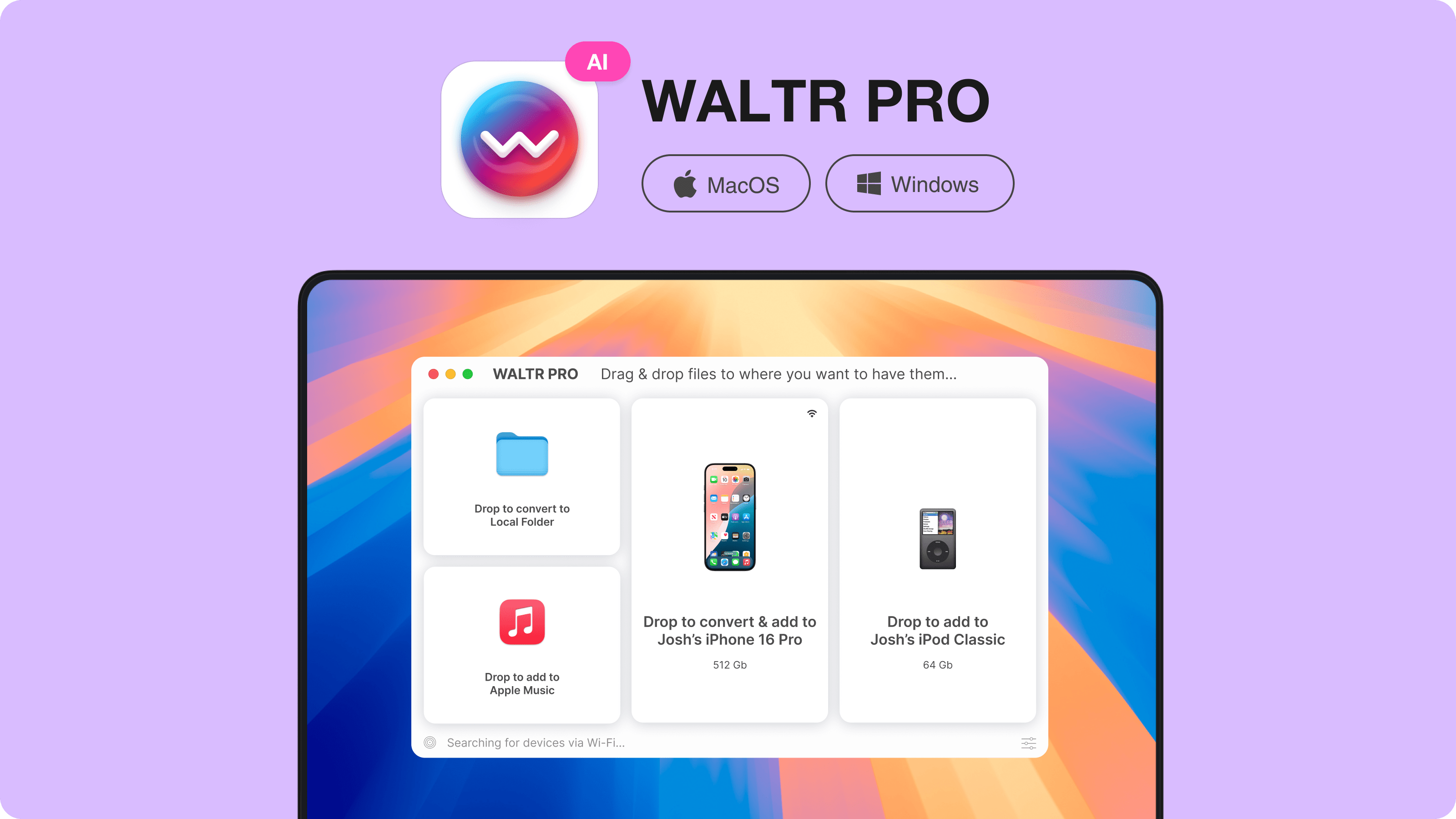
WALTR PRO works on Mac and Windows. Softorino's product page lists MKV, AVI, MP4, MOV, M2TS, WMV, WEBM, VOB, and other video formats. It transfers media to iPhone, iPad, and iPod without iTunes syncing, and it can place video where Apple expects it, such as the Apple TV app where applicable.
This solves the real pain for many users: you have an MKV on your computer and want to watch it on iPhone or iPad without Finder sync, iTunes, AirDrop guessing, or a chain of converters.
Step 1: Download WALTR PRO
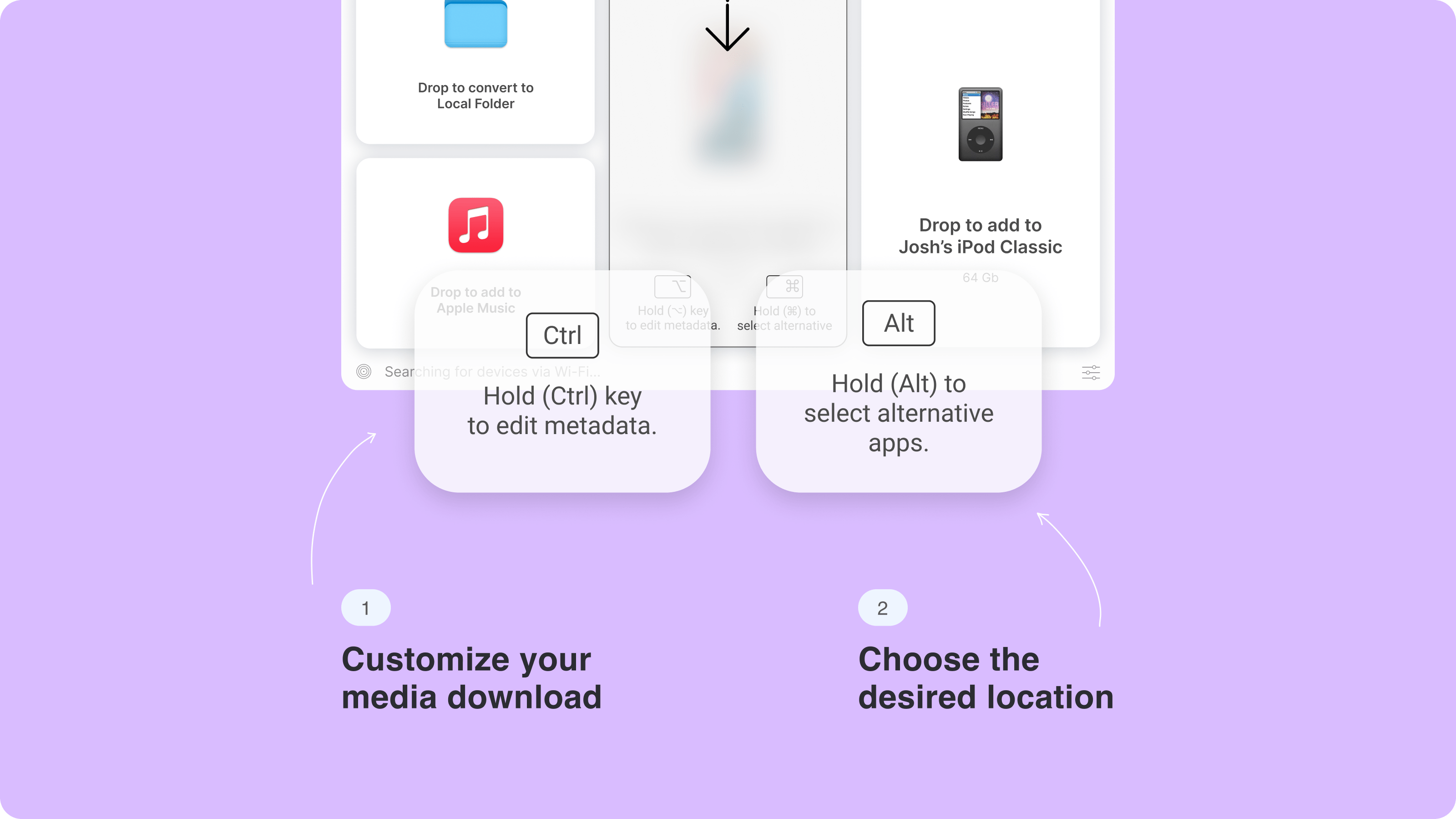
Download WALTR PRO on the Mac or Windows computer where your MKV file lives.
Use this method when playback on iPhone or iPad is the job. If you need a finished MP4 file for YouTube, a client, an editor, or a website upload, use HandBrake or FFmpeg instead.
Step 2: Connect Your iPhone or iPad
Open WALTR PRO and connect your device with a USB cable. Cable is better for large MKV files because video libraries can get huge fast.
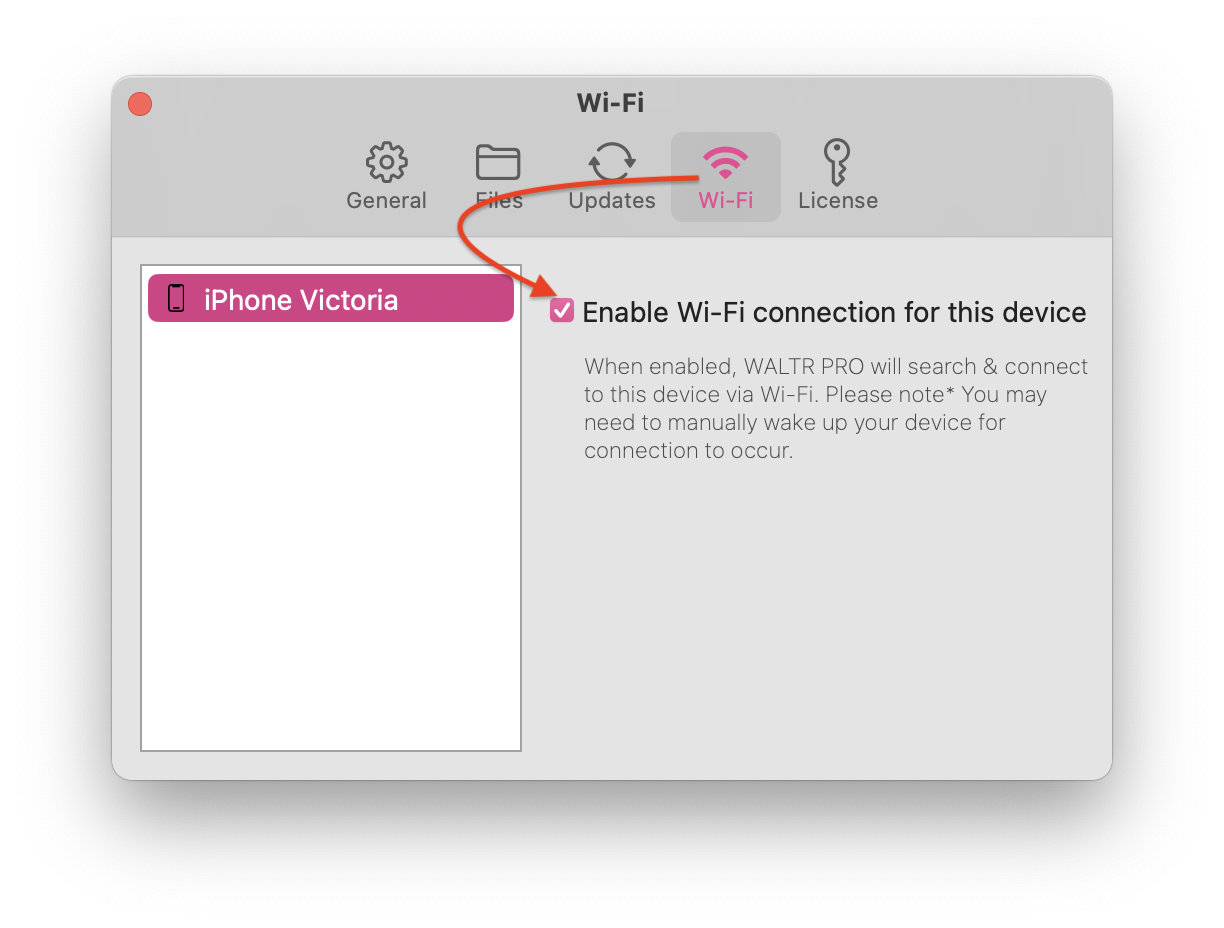
WALTR PRO also supports Wi-Fi transfer after setup. Use Wi-Fi for smaller files once the device already connects reliably.
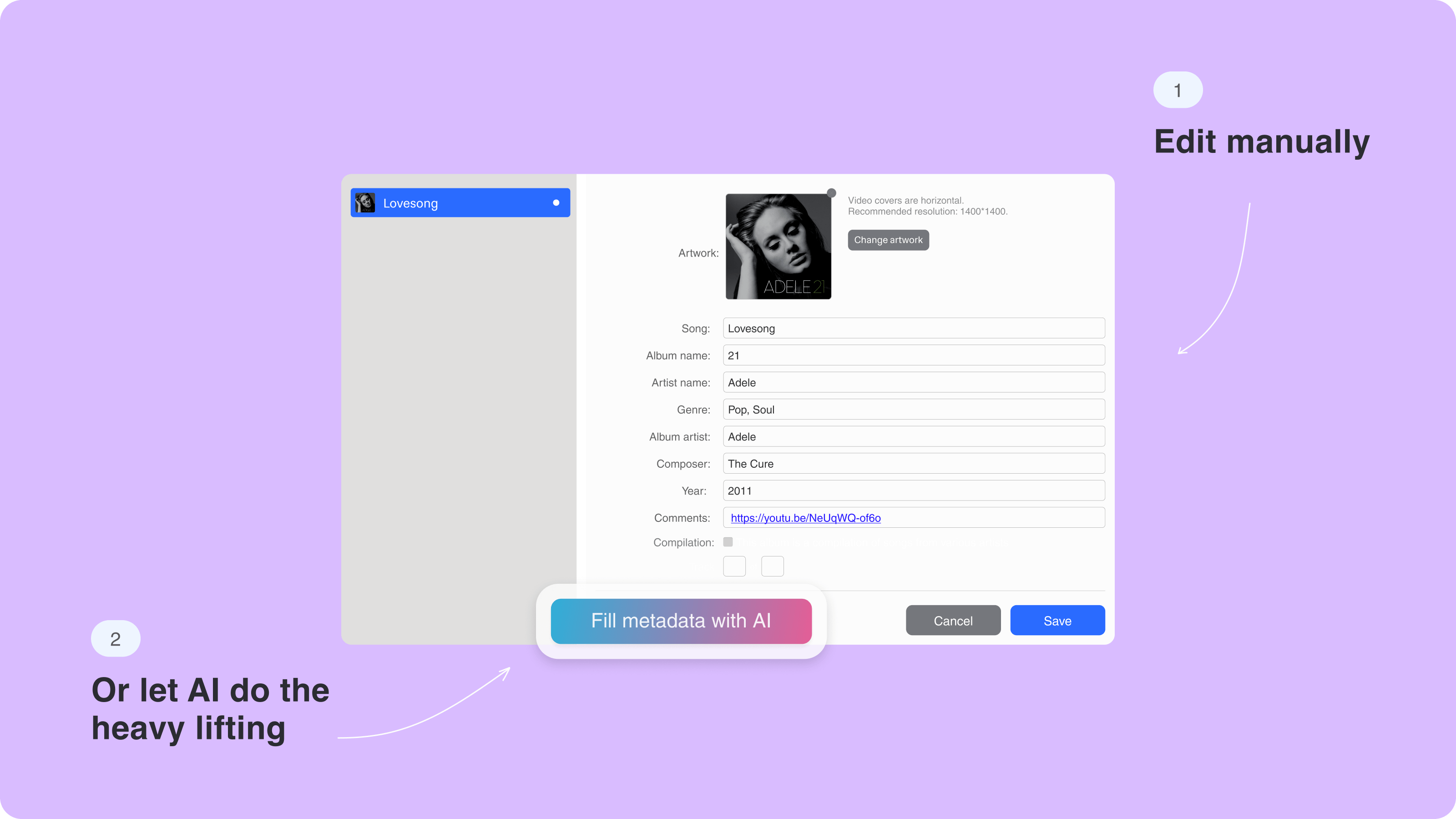
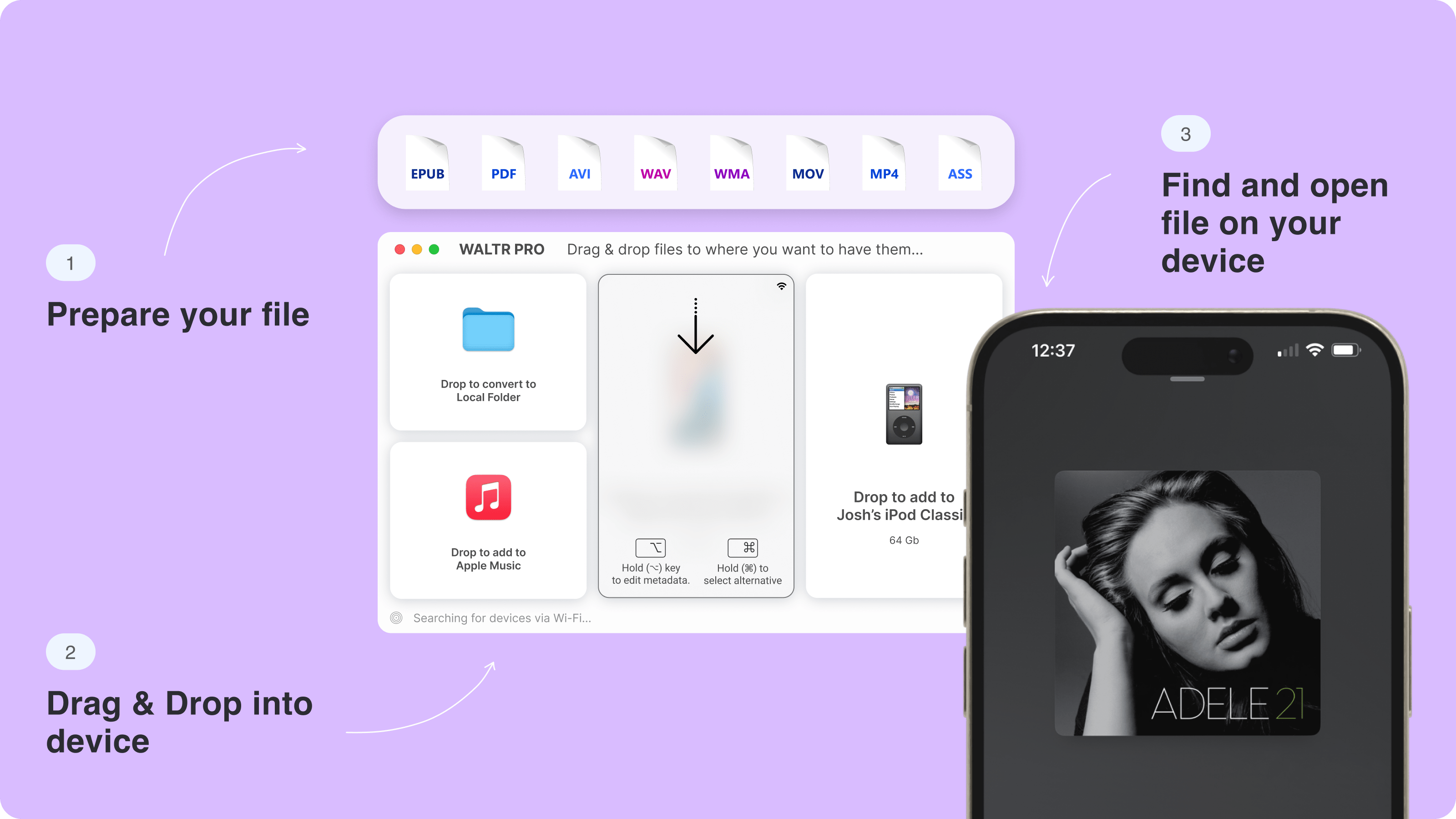
Step 3: Drop the MKV File into WALTR PRO
Drag the MKV file into WALTR PRO and choose your device or destination.
WALTR PRO handles the Apple transfer workflow. It is the clean path when you want the video on iPhone or iPad without iTunes. It is not the tool to pick when you need a separate exported MP4 sitting on your desktop.
Step 4: Play the Video on Your Device
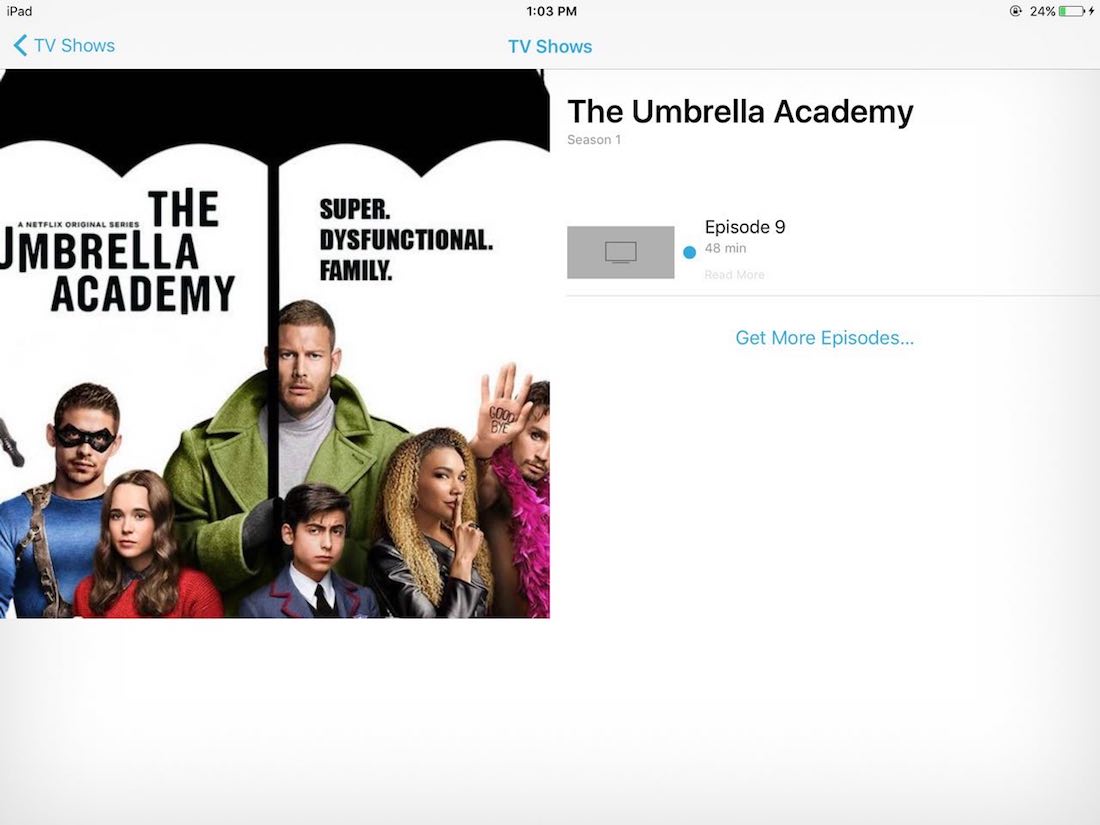
After the transfer finishes, open the relevant Apple app on your device, such as Apple TV where applicable. Test the file before deleting the original MKV.
Check the first minute, the middle, audio, and subtitles. Boring? Yes. Saves you from deleting the only good copy? Also yes.
Method 6: Watch MKV on Apple TV or Chromecast with Beamer
If your real goal is TV playback, converting the file may be busywork.
Beamer streams video files from a Mac to Apple TV or Chromecast. Softorino's product context verifies support for MKV, AVI, MOV, H.264, H.265, 4K, surround sound, subtitles, and playlists.
Use Beamer when:
This is the simplest answer for movie-night problems. Drop the file, stream it, and stop converting things for no reason.
- The MKV is on your Mac.
- You want to watch it on Apple TV or Chromecast.
- You do not need a separate MP4 file.
- You want to avoid setting up Plex, a NAS, or a media server.
Why Your Converted MP4 Has No Audio or Subtitles
MKV files often carry more than one audio track or subtitle track. MP4 is more widely supported, but it is less forgiving.
Common problems after conversion:
Fix it with this checklist:
- Wrong audio track was selected.
- Audio codec does not work on the target device.
- Subtitles were not copied.
- Subtitles copied, but the target app does not show them.
- The converter compressed the video too much.
- The video codec is still unsupported even though the extension says MP4.
Open the original MKV in VLC and confirm the right audio and subtitle tracks exist.
In HandBrake, choose the correct audio track before converting.
Decide whether subtitles should be burned in or kept selectable.
Use H.264 video and AAC audio when you need broad compatibility.
Test the MP4 before deleting the MKV.
How to Convert MKV to MP4 on Mac
For Mac, use HandBrake when you need a real MP4 file.
If your goal is iPhone or iPad playback, send the video with WALTR PRO. If your goal is Apple TV or Chromecast playback, use Beamer and skip conversion.
- Install HandBrake.
- Open the MKV file.
- Choose MP4 as the output container.
- Use H.264 or H.265 video with AAC audio for broad playback.
- Check audio and subtitles.
- Start the conversion.
- Test the MP4 in QuickTime, Apple TV, or your target app.
How to Convert MKV to MP4 on Windows
For Windows, HandBrake is still the cleanest free route for a real MP4 file.
VLC also works as a quick fallback. FFmpeg is best if you already know your way around the command line.
- Install HandBrake for Windows.
- Open the MKV file.
- Choose an MP4 output preset.
- Pick the audio and subtitle tracks you need.
- Start the conversion.
- Test the MP4 before deleting the original.
Which MKV to MP4 Method Should You Choose?
Pick based on the job, not the search result with the biggest button.
If you are converting only because Apple's apps refuse to play the file, do not make life harder than needed. WALTR PRO handles the iPhone/iPad transfer problem. Beamer handles the Mac-to-TV playback problem. HandBrake and FFmpeg handle the true MP4 file problem.
- Need a private local conversion? Use HandBrake.
- Need the fastest lossless container change? Try FFmpeg remuxing.
- Need a quick attempt with a tool you already have? Use VLC.
- Need a tiny non-private clip converted right now? Use an online converter.
- Need MKV on iPhone or iPad? Use WALTR PRO.
- Need MKV on Apple TV or Chromecast? Use Beamer.
FAQ
Is MKV better than MP4?
MKV is more flexible. MP4 is more compatible. MKV is better for video libraries with multiple audio tracks, subtitles, and chapters. MP4 is better for iPhone, iPad, Apple TV, browsers, editors, and sharing.
Can I convert MKV to MP4 without losing quality?
Yes, but only when you can remux the file instead of transcoding it. Remuxing changes the container and keeps the video stream untouched. If the codecs are not MP4-compatible, you need transcoding, which can reduce quality.
Can VLC convert MKV to MP4?
Yes. VLC has a Convert/Save workflow that can create an MP4 from an MKV file. It is fine for quick jobs, but HandBrake gives clearer settings for quality, audio, and subtitles.
Is HandBrake good for this conversion?
Yes. HandBrake is a strong free choice for local conversion on Mac, Windows, and Linux. It is slower than remuxing because it re-encodes, but it gives better control over compatibility.
What is the best free MKV to MP4 converter?
For most people, HandBrake is the best free local converter. VLC is useful if it is already installed. FFmpeg is best for power users who want fast remuxing or command-line control.
Is an online converter safe?
It depends on the file and the site. Use online converters only for small non-private videos. Do not upload family videos, client files, legal footage, medical footage, or unreleased work if privacy matters.
Why did my MP4 lose audio after conversion?
The converter may have picked the wrong audio track, dropped an unsupported codec, or failed to copy a track from the MKV. Reconvert and choose the right audio track manually. AAC audio is a safe target for broad MP4 playback.
Why did my subtitles disappear after conversion?
Subtitles can be stored in formats that do not move cleanly into MP4 or do not show in your target app. In HandBrake, choose whether to burn subtitles into the video or keep them as selectable tracks.
How do I play MKV on iPhone or iPad?
Use WALTR PRO if you want to transfer the video from Mac or Windows to iPhone or iPad without iTunes. Use VLC for iPhone if you only want third-party player playback and do not need the file in Apple's native apps.
How do I watch MKV on Apple TV?
Use Beamer if the MKV is on your Mac and you want to stream it to Apple TV or Chromecast without converting. Use HandBrake if you need a finished MP4 file for broader use.
Final Take
Converting MKV to MP4 is not one job. It is 3 jobs wearing the same jacket.
If you need a real MP4 file, use HandBrake or FFmpeg. If you need a fast throwaway conversion for a small non-private clip, an online converter can work. If you only want to watch the video on an Apple device, skip the converter maze.
Use WALTR PRO to put MKV and other video files on iPhone or iPad without iTunes. Use Beamer to stream MKV from Mac to Apple TV or Chromecast. Or get the Universal License if you want the Softorino apps under one subscription.

WALTR PRO
Convert & Push Any File into Any Apple Device
