How to Transfer Photos from iPhone to Laptop or PC


If you want to know how to transfer photos from iPhone to laptop, start with the method that matches the job. Use Windows Photos for a quick USB import. Use File Explorer when you want direct DCIM folder access. Use iCloud or Google Photos for wireless sync. Use AltTunes when you want a local Windows export without waiting on iCloud.
Windows still makes this harder than it should be. Your iPhone may not appear. The cable may charge but not transfer data. iCloud may keep the full-size originals online. This guide gives you the clean routes first, then the fixes when Windows decides to be Windows.
Quick answer: how to transfer photos from iPhone to laptop
For most Windows users, the fastest way to transfer photos from iPhone to laptop is USB + the Windows Photos app. Connect your iPhone, unlock it, tap Trust or Allow, open Photos on Windows, choose Import, and save the pictures to your laptop.
If Windows Photos fails or you want more control, copy photos from the iPhone DCIM folder in File Explorer. If you want wireless transfer, use iCloud Photos or Google Photos. If you want bulk export to a local folder or external drive without iCloud, use AltTunes to export iPhone photos to a Windows PC.
Method | Best for | Needs cloud? | Watch out for |
|---|---|---|---|
Windows Photos app | Quick one-time USB imports | No | Needs an unlocked iPhone and a data cable |
File Explorer | Manual DCIM copy to a folder or external drive | No | Folder names can be messy on large libraries |
AltTunes | Bulk local export from iPhone to Windows | No | Windows only |
iCloud Photos | Wireless sync through Apple ID | Yes | 5GB free storage fills fast |
Google Photos | Cross-platform cloud backup | Yes | Upload first, download later |
Quick takeaways before you move photos
- The fastest small-batch route is USB + Windows Photos.
- The safest 1000+ photo route is a wired local export.
- AltTunes fits Windows users who want photos and videos in a PC folder or external drive without iCloud.
- iCloud and Google Photos are good sync tools, but they are slower when you need a local copy now.
Psst. This video shows the same basic idea if you prefer watching before clicking around.
Best method by situation: USB, iCloud, Google Photos, or AltTunes
Choose the method by what you need, not by whatever app opens first.
- Use Windows Photos when you need a quick USB import from iPhone to laptop.
- Use File Explorer when you want to copy DCIM folders yourself.
- Use AltTunes when you want local photo export, bulk transfer, or a broader iPhone manager for Windows.
- Use iCloud Photos when your photos already sync through Apple.
- Use Google Photos when you want a Google-based backup you can reach from any browser.
Apple's own photo transfer guide covers USB, Mac Photos, iCloud, and Windows import options. Microsoft's Windows Photos import guide adds the Windows-specific gotchas: unlock the phone, trust the PC, and use a USB cable that transfers data. Those tiny details cause most failed imports.
The short version: small batch, use Windows Photos. Big library, use wired transfer and test a few files first. No-iCloud Windows archive, use AltTunes. Cloud backup, use iCloud or Google Photos.
Before we begin
Windows users can download AltTunes to export iPhone photos and videos to a PC or external drive over USB. Unlock the iPhone, approve the Trust prompt, and test a small selection before copying the full library.
A bulk transfer fails for boring reasons: the phone locks, the cable drops, the laptop runs out of disk space, or iCloud never kept the full-size originals on the device. Check those before you start moving a whole library.
- Use a USB cable that supports data transfer, not only charging.
- Unlock the iPhone and tap Trust This Computer or Allow.
- Keep the iPhone awake during the transfer.
- Confirm the laptop has enough free storage.
- Check whether iCloud Photos stores originals on the iPhone or only in iCloud.
- Pick the destination folder before you start, especially if you use an external drive.
- Transfer 10 photos first and open them on the laptop.
- Keep a second backup before deleting anything from the iPhone.
For 1000+ photos, USB is usually safer than Wi-Fi. Wireless transfer can work for small batches, but a large library with videos is where local export saves time and headaches.
If you plan to delete photos from your iPhone later, verify the laptop copy first. Then make a second backup for anything you care about. One folder is not a backup plan.
How to transfer photos from iPhone to computer without iCloud using AltTunes
AltTunes is the better fit when you want your photos on a Windows PC, not parked in iCloud, Google Photos, or another sync service. It is a Windows iPhone manager that can export iPhone photos and videos to your computer or an external drive.
AltTunes is built for the Windows + iPhone crowd. That matters because this is where Apple's default tools feel roughest. Apple and Microsoft explain the official route. AltTunes gives you a focused local export path when that route keeps breaking.
Step 1. Install AltTunes on your PC
Install AltTunes on Windows 10 or Windows 11. The app has a free trial, so you can test photo export before using it for a full photo archive.
AltTunes can manage more than photos. Per Softorino's product docs, it can export photos, music, messages, contacts, videos, files, backups, notes, call history, voice memos, books, calendars, and app data. For this article, the useful part is simple: it gives Windows users a cleaner way to export iPhone photos and videos to local storage.
Step 2. Pair AltTunes with your iPhone
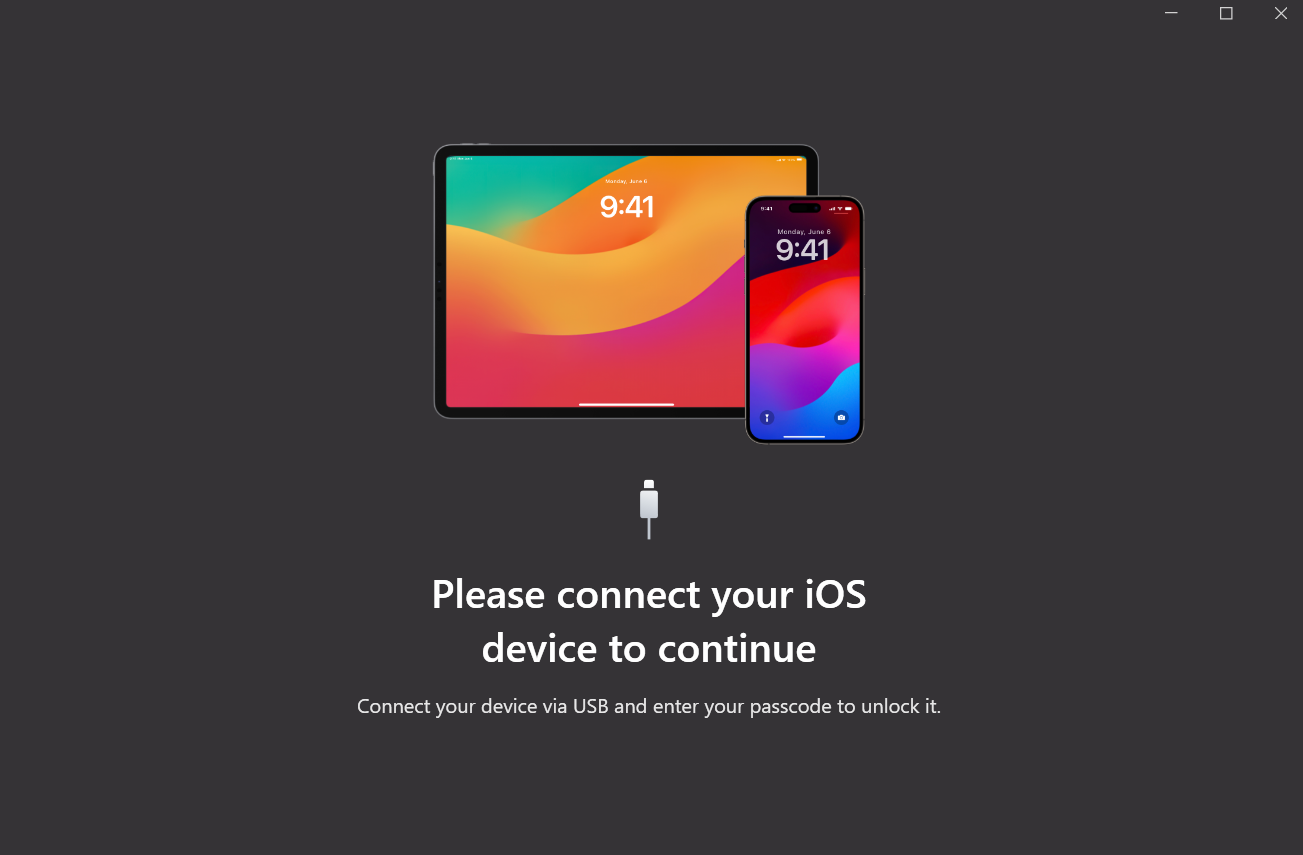
Connect your iPhone with a USB cable the first time. Unlock the iPhone and accept the Trust prompt. AltTunes should then show your device inside the app.
After the first pairing, keep both devices on the same Wi-Fi network if you use wireless mode. For a large photo library, USB is still the safer choice because it removes Wi-Fi dropouts from the equation.
Step 3. Choose Photos and export them to Windows
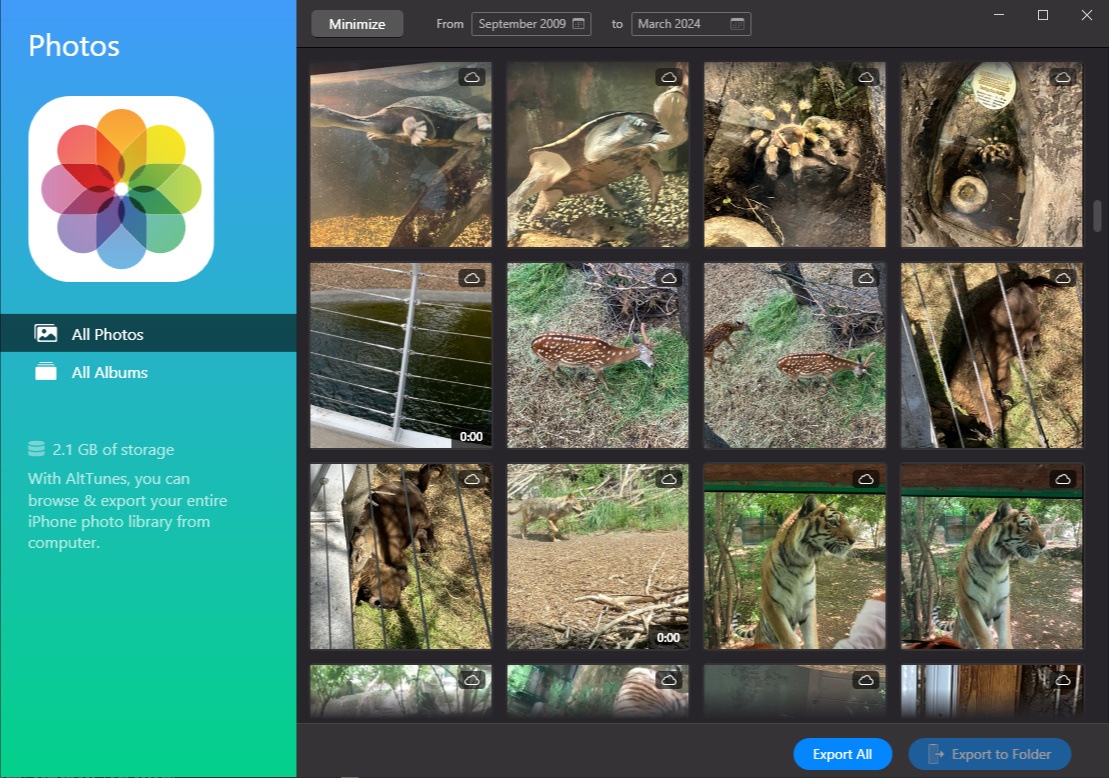
- Select your iPhone in AltTunes.
- Open the Photos section.
- Select the photos and videos you want to move.
- Choose Export.
- Pick a local folder on your PC and save the files.
You can also export to an external drive if that drive is connected to your PC. That helps with old libraries, shared family archives, or any photo dump you do not want eating laptop storage.
For big transfers, keep the iPhone awake until the export finishes. A locked phone can interrupt any local transfer tool, not only AltTunes.
AltTunes is not the only answer. Windows Photos is fine for quick imports. File Explorer is fine for manual copying. AltTunes earns its spot when you want bulk export, no iCloud dependency, and a Windows tool that also handles the rest of your iPhone data. If you need more than photos, use Softorino's broader guide to transfer files from iPhone to PC.
How to transfer photos from iPhone to PC with Windows Photos
Windows Photos is the best first try if you want a normal USB import. It is built into Windows, and it works well for smaller batches when the iPhone connection behaves.
Apple now points Windows users to the Apple Devices app for some iPhone-to-PC flows. Microsoft still uses the Photos app import path. The practical workflow is the same: connect, unlock, trust, import, then verify the files landed.
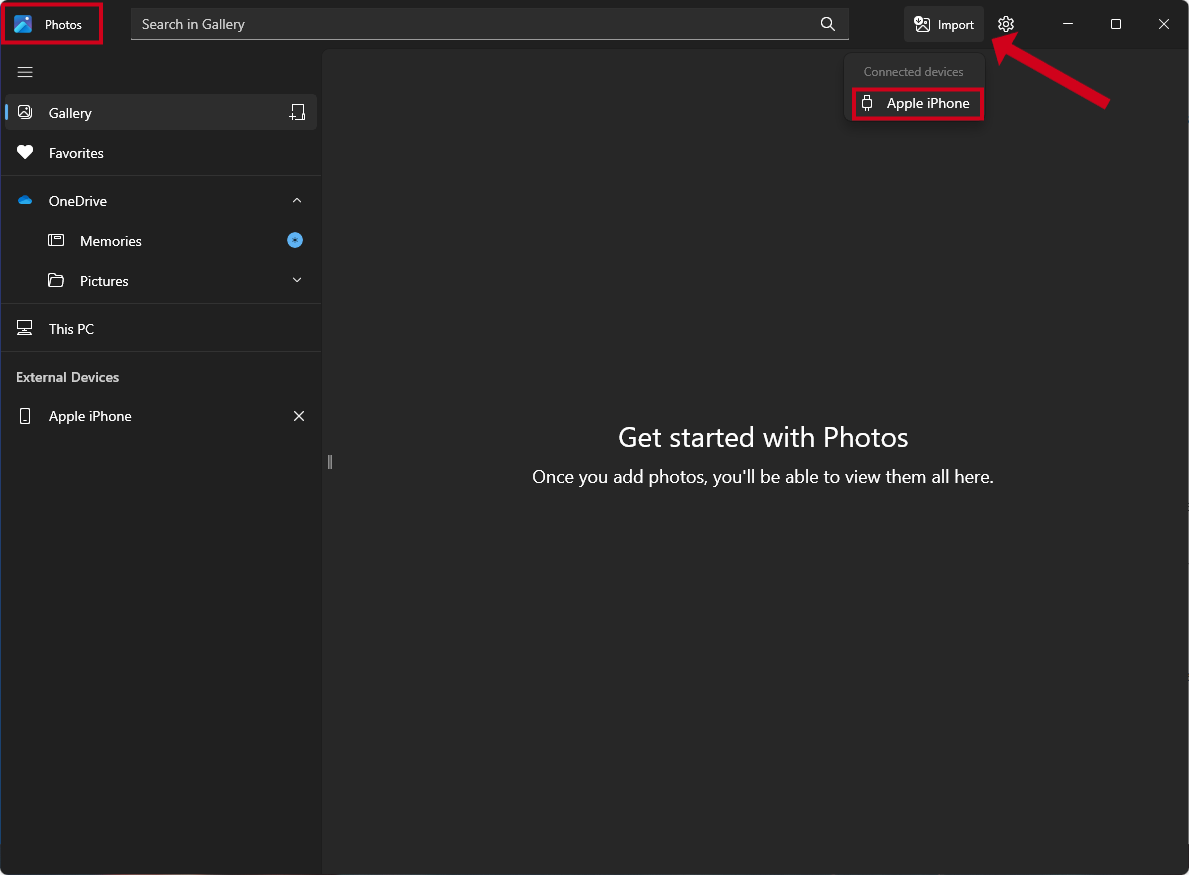
- Connect your iPhone to the PC with a USB cable.
- Unlock the iPhone.
- Tap Trust This Computer or Allow if your iPhone asks.
- Open the Photos app on Windows.
- Select Import and choose your iPhone.
- Pick the photos and videos you want to import.
- Choose the destination folder and start the import.
Keep the iPhone unlocked while Windows scans the library. If the phone goes to sleep, the import can stall or fail. Annoying, yes. Common, also yes.
Microsoft says the cable must support data transfer, not only charging. If Windows never detects your iPhone, try the original Apple cable or another known data cable before you blame the phone.
Run a small test first. Import 10 photos, open the destination folder, and check that the images open correctly. If that works, start the larger import.
How to copy iPhone photos with File Explorer
File Explorer gives you direct access to the iPhone photo folders. This is useful when Photos will not import, or when you want to copy files to a specific local folder, external drive, or project archive.
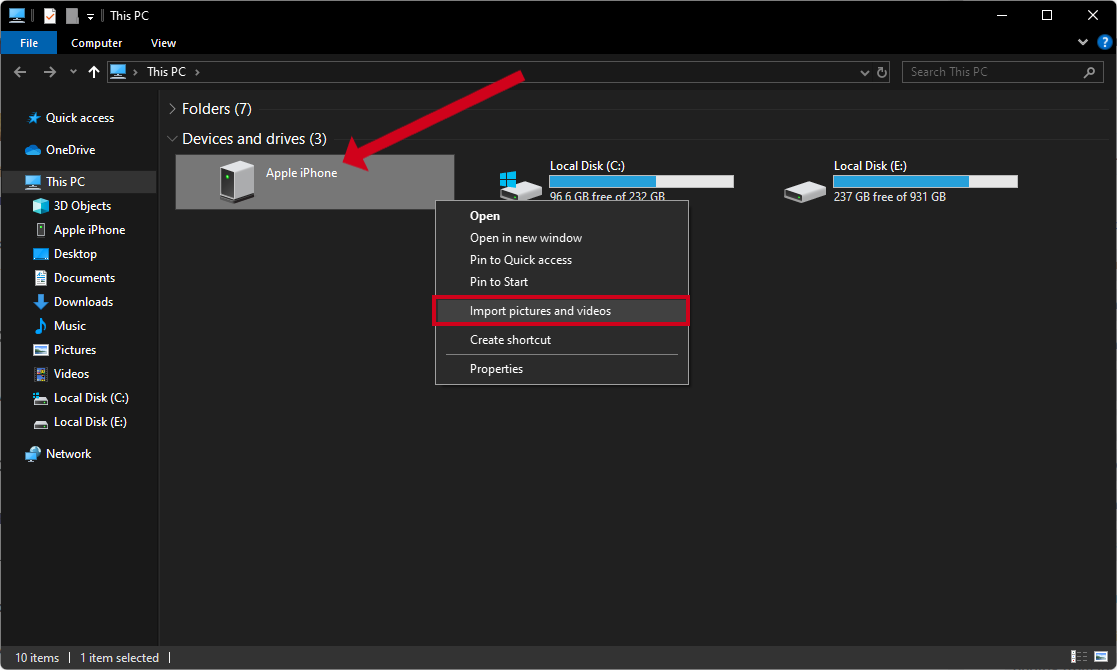
- Connect your iPhone by USB.
- Unlock the iPhone and approve the Trust prompt.
- Open File Explorer on Windows.
- Go to This PC and open your iPhone.
- Open Internal Storage and then DCIM.
- Copy the photo folders or selected files to your PC.
File Explorer is direct, but it is not elegant. iPhone photos may be split across folders with names that mean nothing to a human. Large libraries can also fail mid-copy if the phone locks, the cable drops, or Windows loses access.
If you see empty folders, unplug and reconnect the iPhone after unlocking it. If Windows asks for permission again, tap Allow. If the DCIM folder shows only some photos, iCloud Photos may have the originals online instead of local on the phone.
If you plan to delete photos from your iPhone after copying them, slow down. Open the destination folder first and confirm the files are there. Then make a second backup if the photos matter.
How to transfer photos from iPhone to laptop wirelessly without iCloud
You can transfer iPhone photos wirelessly without iCloud, but you should match the method to the library size. Wireless is convenient for a few files. USB is still better for thousands of photos or long videos.
AltTunes can use Wi-Fi after the first pairing if your iPhone and Windows PC are on the same network. That can work for small and medium transfers when you do not want to plug in again. For a full archive, use USB and export locally.
If you do not want iCloud, Google Photos is still a cloud route, not a local transfer. It uploads your photos to your Google account first, then you download them on the laptop. That is fine for backup. It is not the fastest path to a local folder.
Skip random web-transfer tools for private photo libraries. They may look fast, but you are often trading one Apple annoyance for another privacy question.
How to transfer photos wirelessly with iCloud Photos
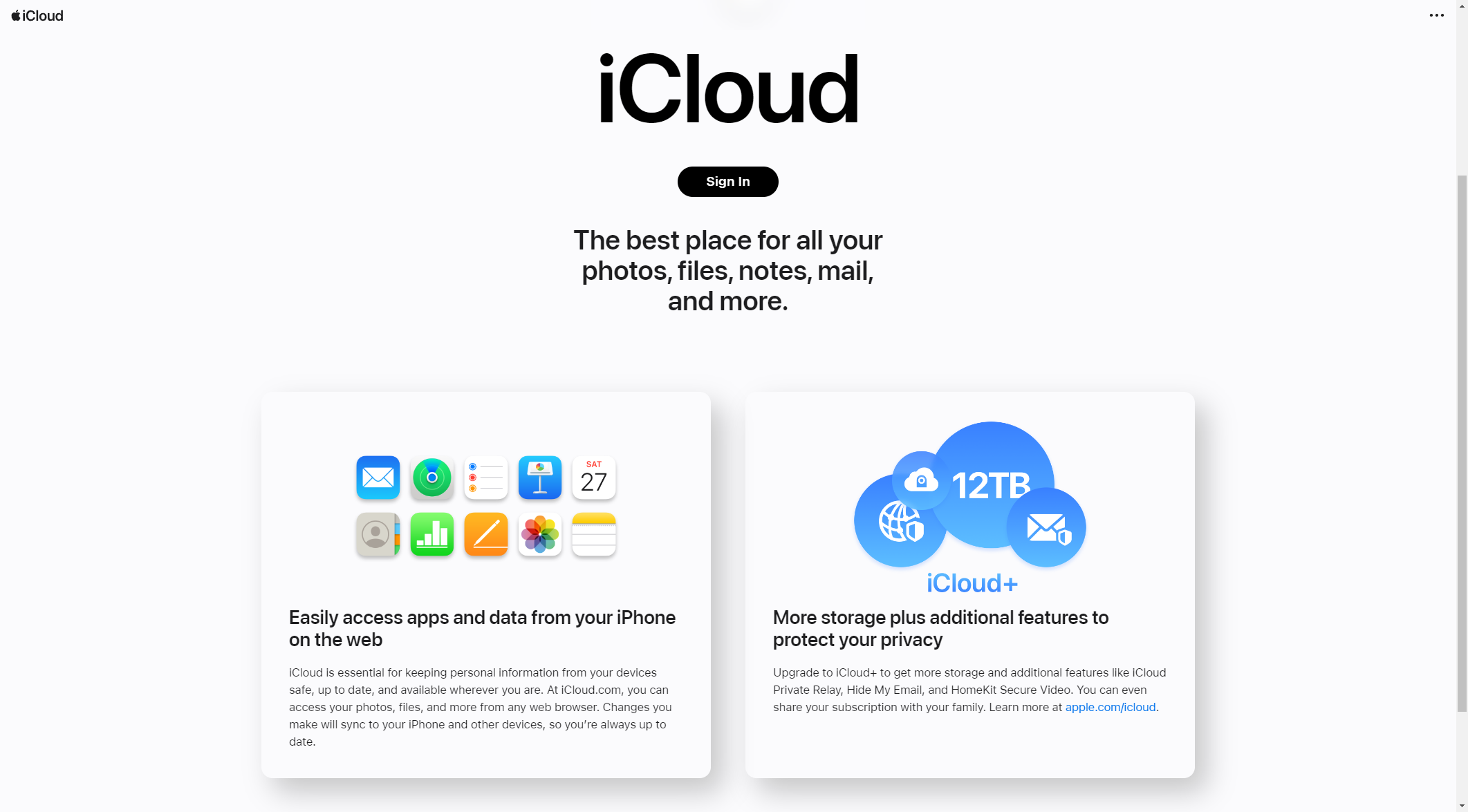
iCloud Photos works when you want Apple to sync the library for you. It is good for wireless access, but it is not always the fastest way to move a large photo library to a PC.
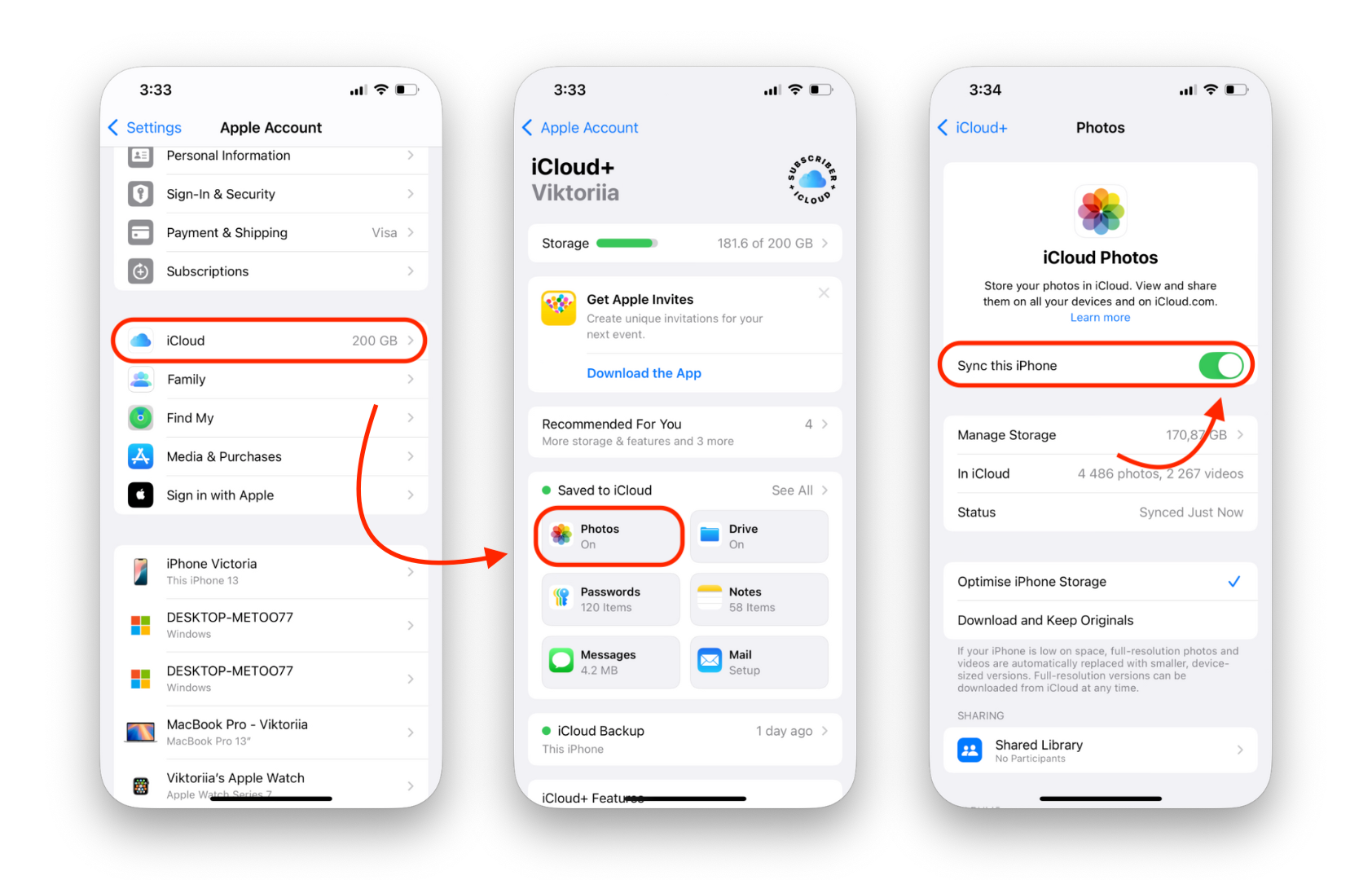
Enable iCloud Photos on iPhone
- Open Settings on your iPhone.
- Tap your name.
- Go to iCloud > Photos.
- Turn on Sync this iPhone or iCloud Photos.
- Keep the iPhone on Wi-Fi while the photos upload.
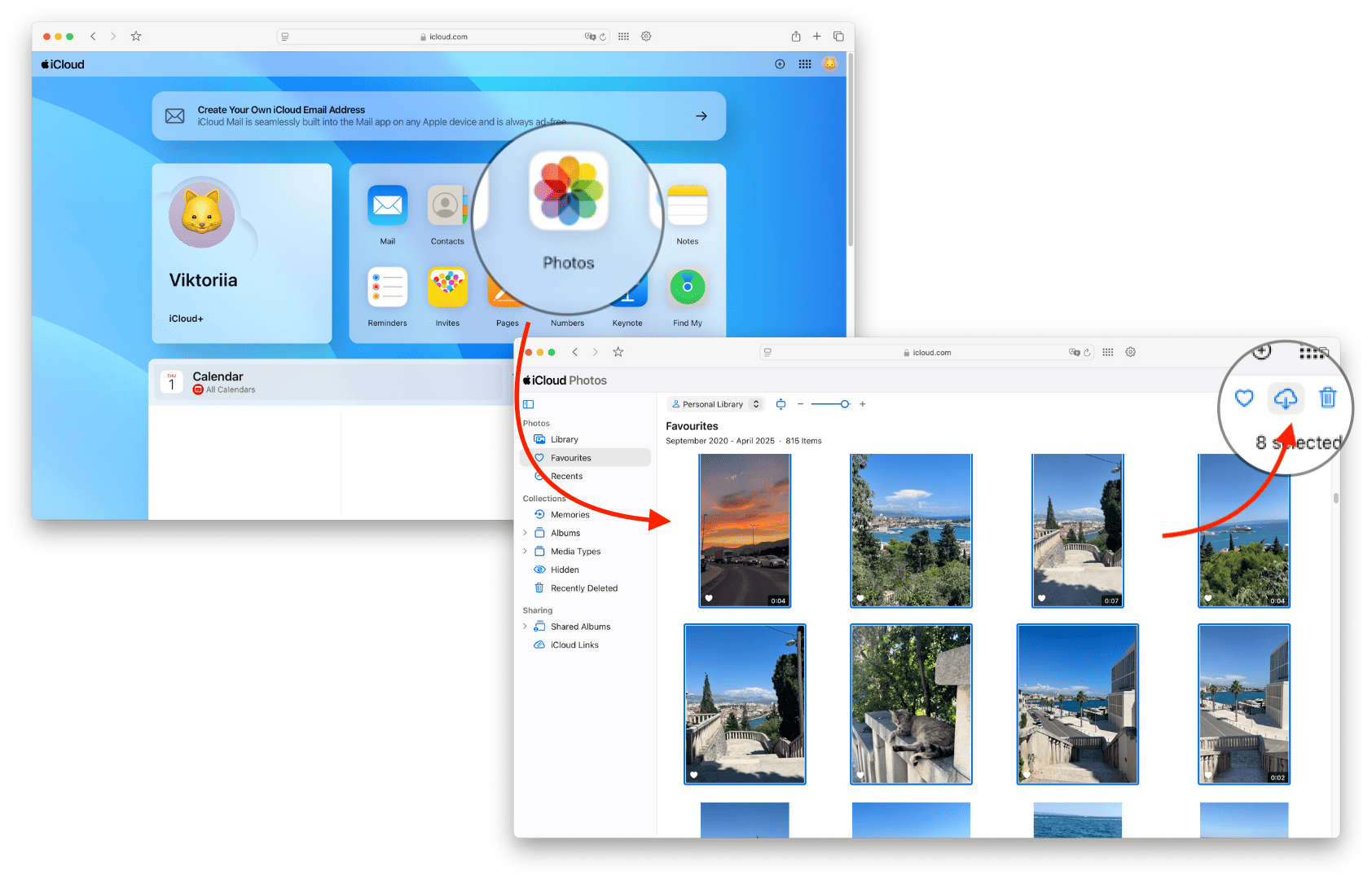
Download iCloud photos to a PC
- Open iCloud.com in a browser or install iCloud for Windows.
- Sign in with your Apple ID.
- Open Photos.
- Select the photos you want.
- Download them to your PC.
iCloud includes 5GB of free storage. If your iPhone library is larger than that, you need a paid iCloud plan or a different method.
Apple and Microsoft both warn about a common iCloud catch: if full-resolution originals live in iCloud, Windows may not import every original file directly from the phone. Download originals first or use iCloud for Windows if the USB import looks incomplete.
If your iPhone uses Optimize iPhone Storage, some local files may be smaller device copies. For a clean archive, wait until originals download before relying on a USB import.
How to transfer photos using Google Photos
Google Photos is another wireless route. It works across iPhone, Windows, Mac, and browser. The tradeoff is simple: you upload first, then download later.
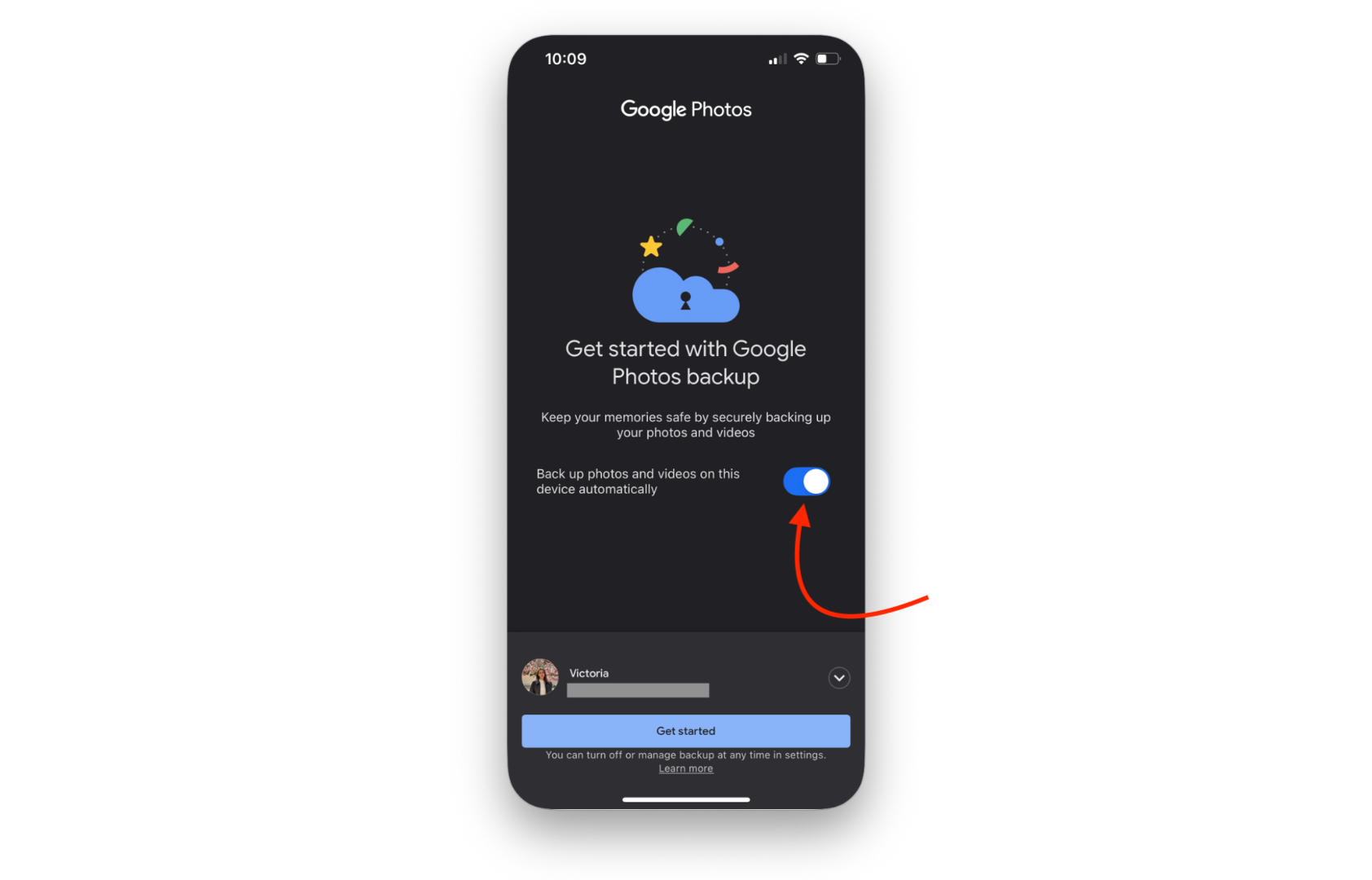
Upload iPhone photos to Google Photos
- Install Google Photos on your iPhone.
- Sign in with your Google account.
- Turn on backup in the Google Photos app.
- Keep the iPhone on Wi-Fi until the upload finishes.
Download Google Photos to your computer
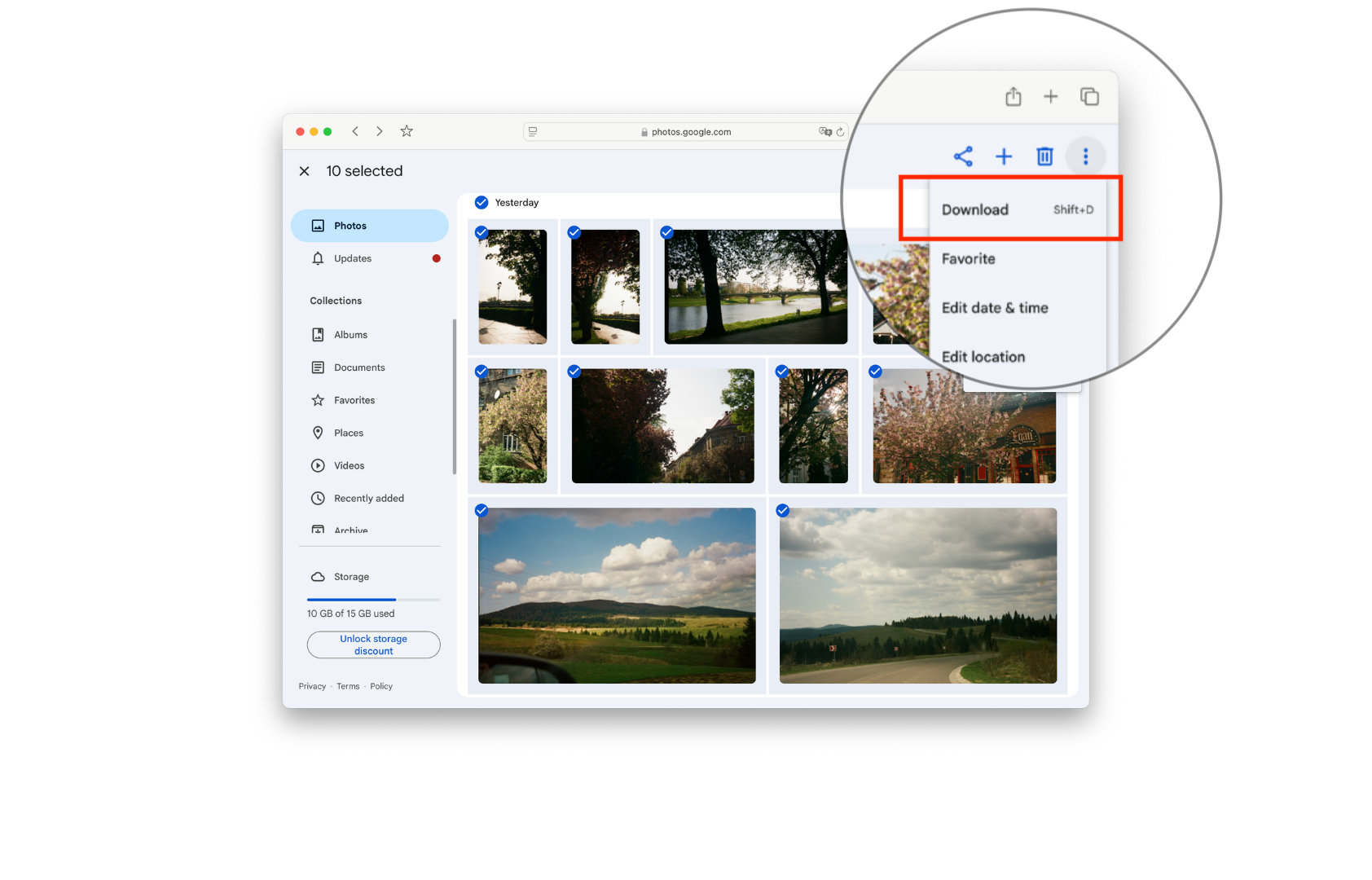
- Go to Google Photos on your computer.
- Select the photos you want from your iPhone library.
- Click Download.
- Save the files to the folder you want.
Google account storage is shared across Google Photos, Gmail, and Drive. If your storage is full, backup stops until you clear space or upgrade.
Google Photos is fine for cloud backup. It is less ideal when you want a local copy now, especially with thousands of photos or large videos.
HEIC vs JPG: what Windows users need to know
Most newer iPhones save photos as HEIC by default. HEIC keeps file sizes smaller, but Windows users can still run into compatibility issues depending on the app, Windows version, and installed codecs.
If a copied photo will not open, the file may be HEIC. You have 3 options:
- Install the needed HEIF/HEVC support on Windows.
- Export or convert the images to JPG.
- Set your iPhone to capture future photos in Most Compatible format.
Apple's camera format setting lives under Settings > Camera > Formats. Choose Most Compatible if JPG/H.264 compatibility matters more than smaller file sizes. This affects future photos and videos, not every file already in your library.
AltTunes product context supports a HEIC to JPG conversion claim, but do not depend on that for every edge case unless the exact setting is checked during app review. Keep the article honest. That beats pretending one button solves every format problem.
Why your iPhone photos will not import to Windows
If your iPhone photos will not import to Windows, check the boring things first. They fix more problems than reinstalling apps ever will.
- Unlock the iPhone. Windows may not read the library while the phone is locked.
- Tap Trust or Allow. Without permission, the PC cannot access photos.
- Use a data cable. Some USB cables only charge.
- Try another USB port. Front-panel PC ports can be flaky.
- Keep the phone awake. Sleep can interrupt long imports.
- Check iCloud originals. The full-size file may be in iCloud, not local on the phone.
- Install Apple Devices or iCloud for Windows. Apple's current Windows flow may need those tools for some setups.
- Restart both devices. It is boring because it works.
If Windows still fails, switch methods instead of losing an hour. Try File Explorer for direct DCIM access, iCloud if the library already syncs, or AltTunes if you want a local export path built for Windows.
Can you transfer photos from iPhone to a Mac too?
Yes. On Mac, use the Photos app, Image Capture, AirDrop, or iCloud Photos. Connect the iPhone by USB, unlock it, trust the Mac, then import through Photos if you want the standard Apple route.
This article focuses on Windows because AltTunes is Windows-only and because Windows imports create most of the pain. If you are on Mac, Apple's built-in Photos and AirDrop options usually make more sense.
Bottom line
Use Windows Photos for a quick USB import. Use File Explorer when you want direct folder access. Use iCloud or Google Photos when wireless sync matters more than speed. Use AltTunes when you want to transfer photos from iPhone to computer without iCloud and keep the files local on a Windows PC.
If iTunes, iCloud storage, and random Windows import errors are already wasting your afternoon, try AltTunes as an iPhone manager for Windows. It exports iPhone photos and videos to your PC or external drive, and it can also handle music, messages, contacts, files, and backups from the same place.
If you use more than one Softorino app, the Universal License bundles the core apps for about $3/month. If your next job is the reverse direction, sending photos or files from a computer to iPhone, see WALTR PRO or the guide to transfer photos from computer to iPhone.
For Windows exports, AltTunes can export iPhone photos, music, messages, and other data to a PC without relying on iTunes.
FAQ
What is the easiest way to transfer photos from iPhone to laptop?
The easiest way to transfer photos from iPhone to laptop is usually Windows Photos with a USB cable. Connect your iPhone, unlock it, tap Trust or Allow, open Photos on Windows, and import the pictures you want.
How do I transfer photos from iPhone to computer without iCloud?
Use USB with Windows Photos, copy files through File Explorer, or use AltTunes for a local Windows export. These methods move photos directly to your computer without relying on iCloud storage.
How do I transfer 1000 photos from iPhone to laptop?
Use a wired transfer, keep the iPhone awake, and test 10 photos first. For 1000+ photos, AltTunes is the cleaner Windows route if you want to export photos and videos to a local folder or external drive without iCloud.
Why can't I copy photos from iPhone to PC?
Common causes include a locked iPhone, a missing Trust prompt, a charge-only USB cable, iCloud originals that are not stored locally, or Windows failing to read the device. Start with the cable and Trust prompt before changing apps.
How do I transfer photos from iPhone to laptop using USB?
Connect the iPhone with a data-capable USB cable, unlock it, tap Trust or Allow, then import through Windows Photos or copy the DCIM folder in File Explorer. Keep the phone awake until the transfer ends.
Can I transfer iPhone photos wirelessly without iCloud?
Yes. Use AltTunes Wi-Fi mode after the first pairing, or use Google Photos if a Google cloud copy is acceptable. For thousands of files, USB is still more reliable than Wi-Fi.
Can I save iPhone photos directly to an external hard drive?
Yes. Import or export the photos to your PC first, then choose the external drive as the destination folder. With AltTunes or File Explorer, you can select an external drive if it is connected and visible in Windows.

AltTunes
Seamlessly Browse, Manage & Export iOS Data
