How to Listen to Audiobooks on iPhone Without iTunes

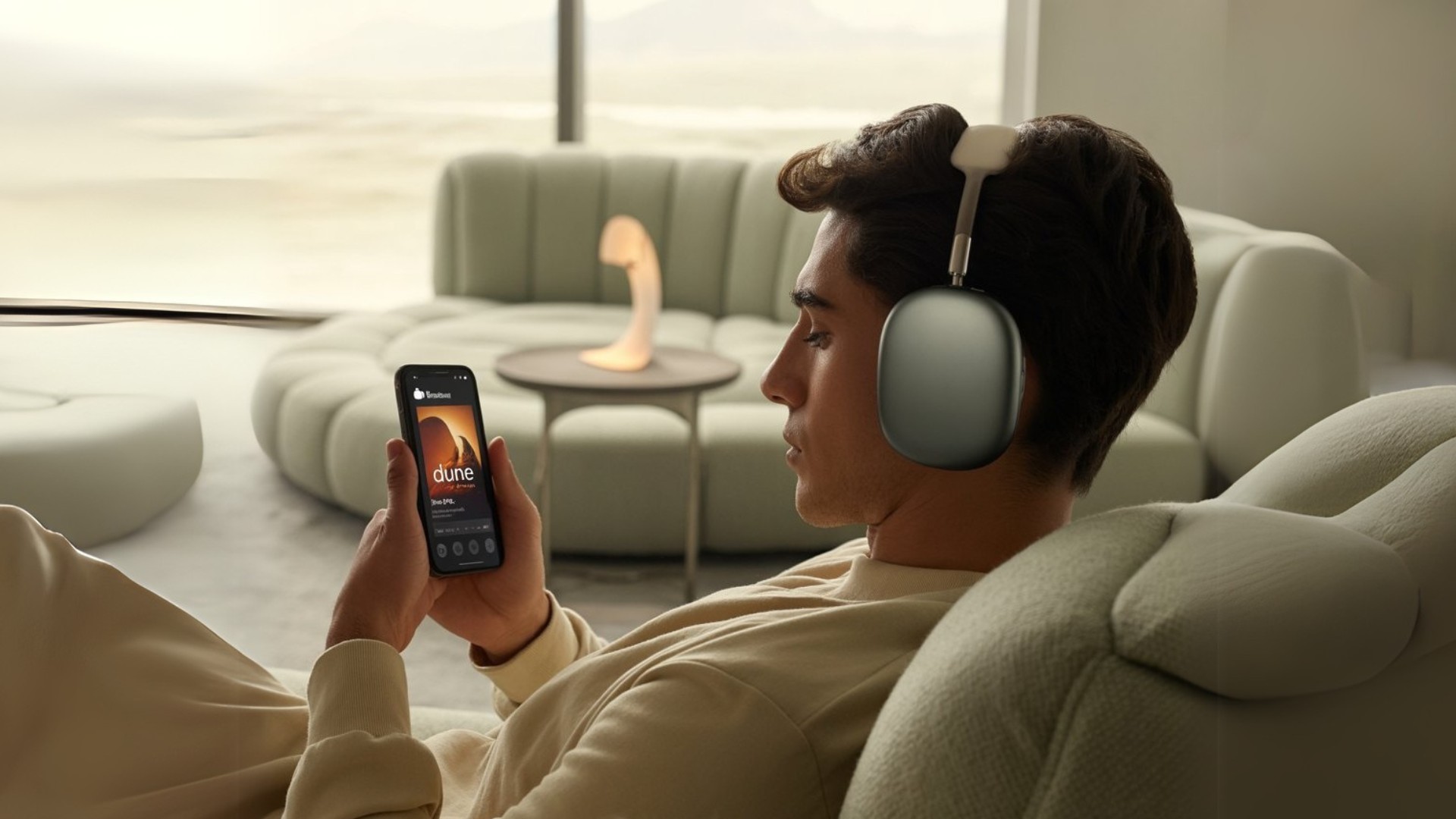
How to listen to audiobooks on iPhone depends on where the audiobook is right now. If you bought it in Apple Books, play it in Apple Books. If it lives in Audible or Libby, use that app. If you have an MP3, M4B, or AAC audiobook file on your Mac or Windows PC, use WALTR PRO to transfer it to your iPhone without iTunes.
That is the clean answer. Apple makes audiobook playback easy when the book already lives inside its ecosystem. Apple makes local file transfer less fun. Shocking, I know. This guide shows both paths: app-based listening and local audiobook transfer.
Quick answer: use Apple Books for Apple purchases, Audible for Audible books, Libby for library loans, and WALTR PRO for DRM-free audiobook files on your computer. WALTR PRO is the useful fix when you want to transfer audiobooks to iPhone without iTunes or Finder sync.
Quick answer
Transfer Audiobooks to iPhone Without iTunes
If your audiobook is a local file, skip the iTunes maze. WALTR PRO lets you drag the audiobook from Finder or File Explorer and send it to your iPhone over USB, with Wi-Fi transfer available after setup.
Watch the short video below if you want the visual version first. Then use the written steps for the exact Apple Books, Audible, Libby, and local-file workflow.
How to listen to audiobooks on iPhone: quick answer
Before choosing a method, find the source of the audiobook. The source matters more than the file name, because subscription apps and DRM-protected purchases do not behave like normal MP3 or M4B files.
- Apple Books purchase: open Apple Books, download the audiobook, and play it from your library.
- Audible audiobook: use the Audible app. Do not expect Audible books to import cleanly into Apple Books.
- Library audiobook: use Libby or your library app. Download inside that app for offline listening.
- MP3, M4B, or AAC file on Mac/Windows: transfer it with WALTR PRO if you want to avoid iTunes or Finder sync.
- Old WMA or unusual file: convert it first or use a transfer tool that handles conversion. Do not assume iPhone will play every legacy format.
This decision tree keeps you out of the usual trap: trying to force every audiobook into Apple Books. Apple Books is great for Apple Books content. It is not a magic importer for every audiobook service.
Before we begin
Download WALTR PRO on Mac or Windows to transfer local audiobook files to an iPhone without an iTunes sync. Check the file format and chapter metadata first, then test one title before moving the full library.
What are audiobooks?
Audiobooks are spoken recordings of books. Some are complete word-for-word recordings. Some are abridged. Most audiobook apps let you change playback speed, skip forward or back, save your progress, and set a sleep timer.
You can listen to audiobooks on an iPhone, iPad, Mac, Windows PC, smart speaker, car system, or dedicated player. On iPhone, the best app depends on where the audiobook came from.
For free public-domain books, sources like LibriVox, Project Gutenberg, and the Internet Archive are useful. For paid books, Apple Books and Audible are the common routes. For library books, Libby is usually the cleanest option.
Best audiobook formats for iPhone: M4B vs MP3
The best audiobook format for iPhone is usually M4B when you care about audiobook behavior. M4B files are built for long audio, chapters, and progress tracking. MP3 is better when you care about broad compatibility and easy playback almost anywhere.
- M4B: best for audiobook-style files, chapters, bookmarks, and Apple Books-style organization.
- MP3: best for compatibility. MP3 files are easy to move and play, but they behave more like music tracks.
- AAC: Apple-friendly audio format that works well for general listening.
- WMA: old Windows audio format. iPhone support is not something to bet your afternoon on.
If you are building an audiobook library for iPhone, choose M4B when you can. If the audiobook is already MP3, do not panic. You can still transfer and play it. Just expect it to behave more like audio in Music than a dedicated audiobook in Books.
How to listen to audiobooks on iPhone in Apple Books
Use Apple Books when you bought the audiobook from Apple or already have compatible audiobook content in your Apple account. Apple’s own support guide covers playback controls like skip, speed, sleep timer, and supplemental PDFs in Books. You can also check Apple service availability by country on Apple Support.
Apple Books is the right answer for Apple Books purchases. It is not the right answer for every protected Audible, Libby, or subscription audiobook.
Apple Books note
Step 1. Sign in with your Apple ID
Open Settings on your iPhone. Tap your name at the top. If you do not see your name, sign in with your Apple ID first. Your purchases and library depend on that account.
Step 2. Open Apple Books and find Audiobooks
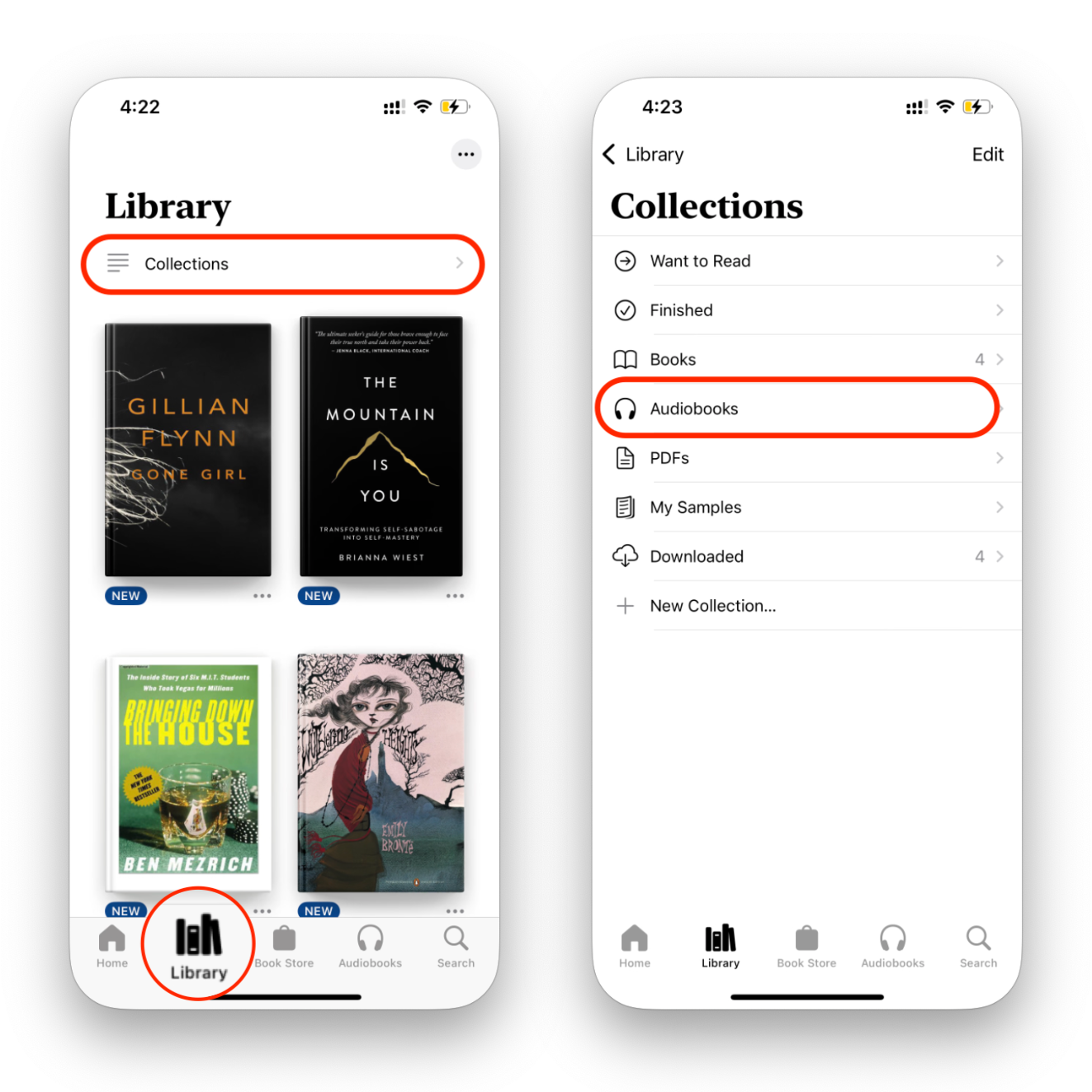
Open the Books app. Look for the Audiobooks tab or search your library. On some iPhones, you may need to go through Library > Collections > Audiobooks. Apple moves labels around, because apparently we needed cardio for our thumbs.
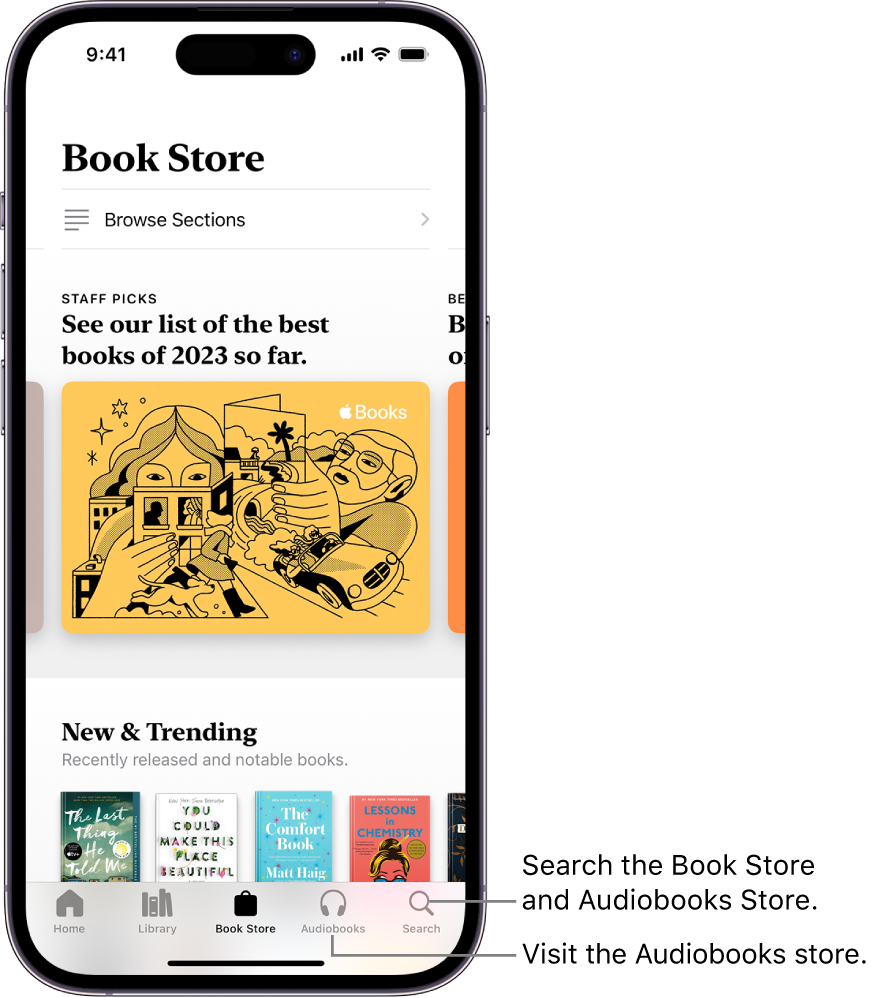
If you already own the audiobook through Apple, it should appear in your library. Tap it to download. When the download finishes, tap again to start listening.
Audiobooks from Audible, Libby, and other third-party services usually stay in their original apps. That is normal. It does not mean your iPhone is broken.
App ecosystem note
Step 3. Use the playback controls
While listening, you can pause, skip forward or back, change playback speed, and set a sleep timer. These controls are the main reason Apple Books feels better than dropping one giant MP3 into a random folder.
How to listen to audiobooks on iPhone with local files
This is where Softorino fits. If the audiobook file is already on your Mac or Windows PC, transfer audiobooks to iPhone without iTunes using WALTR PRO. It is built for the exact problem Apple never made pleasant: getting your own media files onto your iPhone.
WALTR PRO supports Mac and Windows. The core workflow is simple: open the app, connect your iPhone, drag in the audiobook file, and let WALTR PRO handle the transfer. For this article, keep the destination expectation conservative: M4B files should appear in Apple Books, while MP3 files may appear in Apple Music.
Use WALTR PRO for DRM-free audiobook files you own or downloaded legally. Do not use it to bypass protection on Audible, Apple Books, Libby, or other subscription content.
Important limit
Step 1. Download and open WALTR PRO
Install WALTR PRO on your Mac or Windows PC. Open the app and connect your iPhone with a USB cable the first time. If your iPhone asks whether to trust the computer, tap Trust.
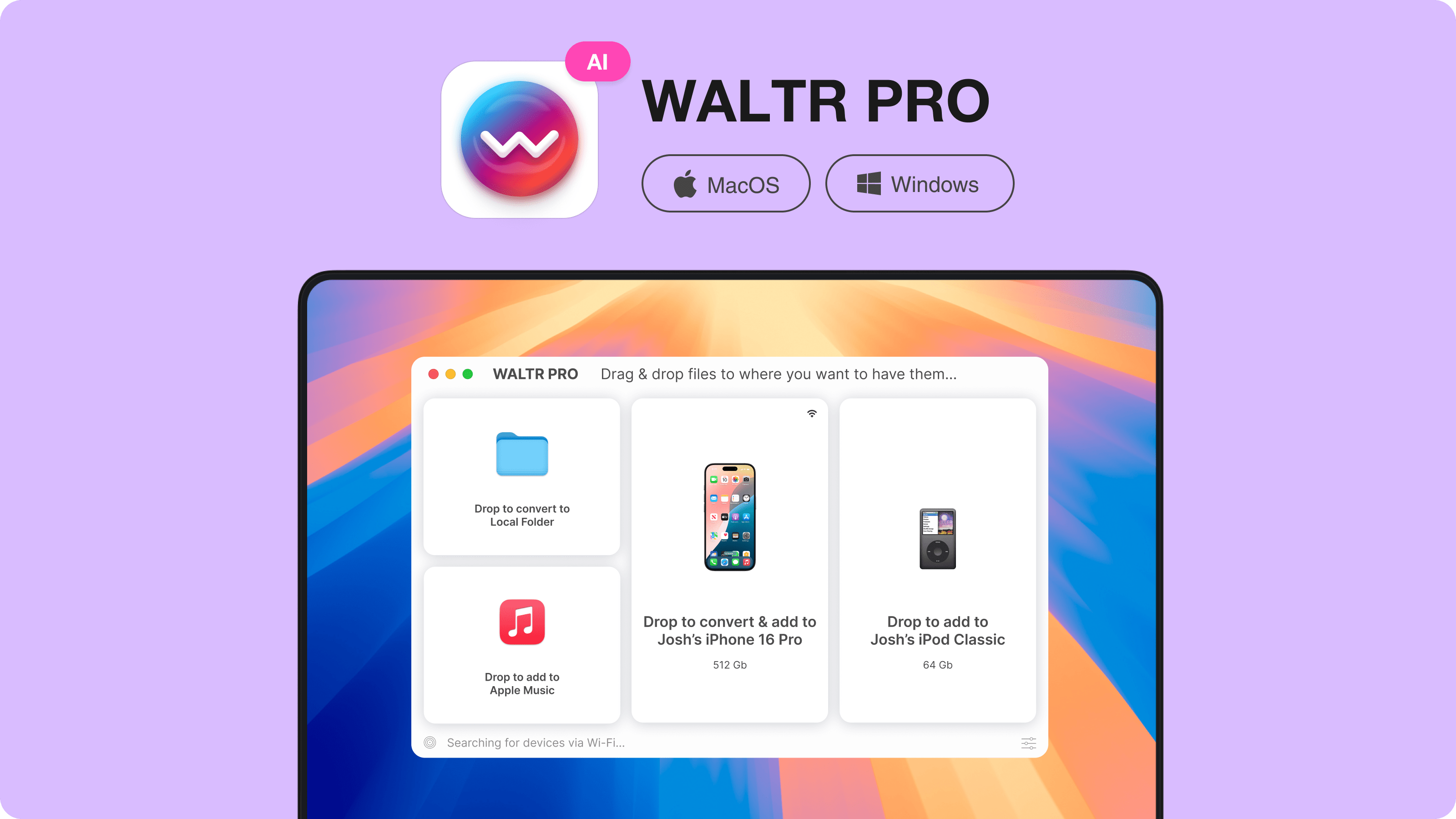
After the first connection, Wi-Fi transfer may be available for later transfers. USB is still the safest first setup because it removes connection weirdness from the equation. If the device is not detected, use Softorino’s iPhone identification error troubleshooting guide.
Step 2. Drag and drop the audiobook file
Open Finder on Mac or File Explorer on Windows. Drag your MP3, M4B, or AAC audiobook into the WALTR PRO window. You can transfer one audiobook or several files at once.
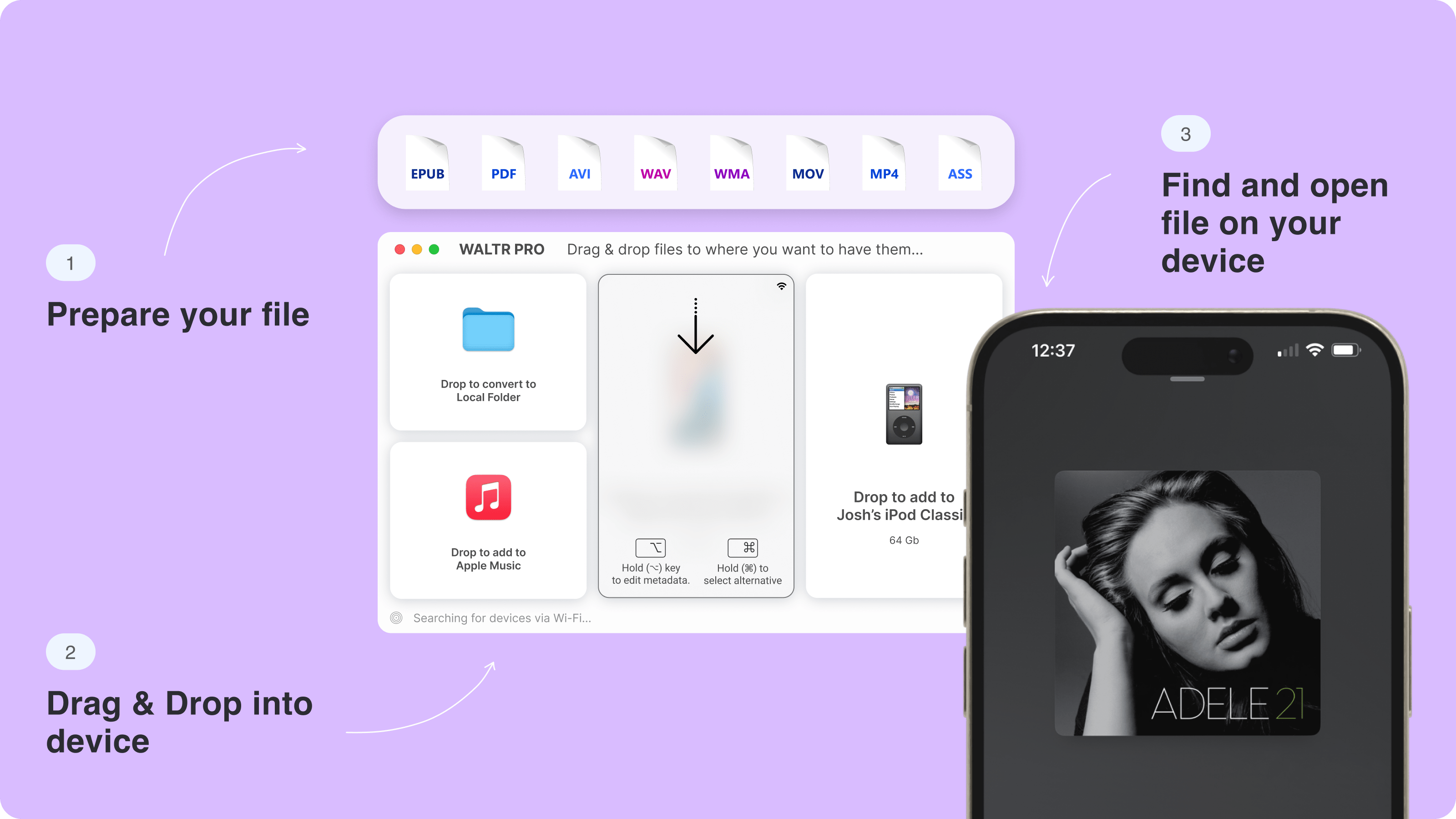
WALTR PRO shows transfer progress while it sends the file to your iPhone. You do not need to make an iTunes library, create a sync plan, or babysit Finder.
If you run into a transfer issue, the same basic checks from Softorino’s guide on what to do when you can’t add songs to iPhone also apply to audiobook files: cable, trust prompt, storage, and format.
Step 3. Choose metadata or destination options when needed
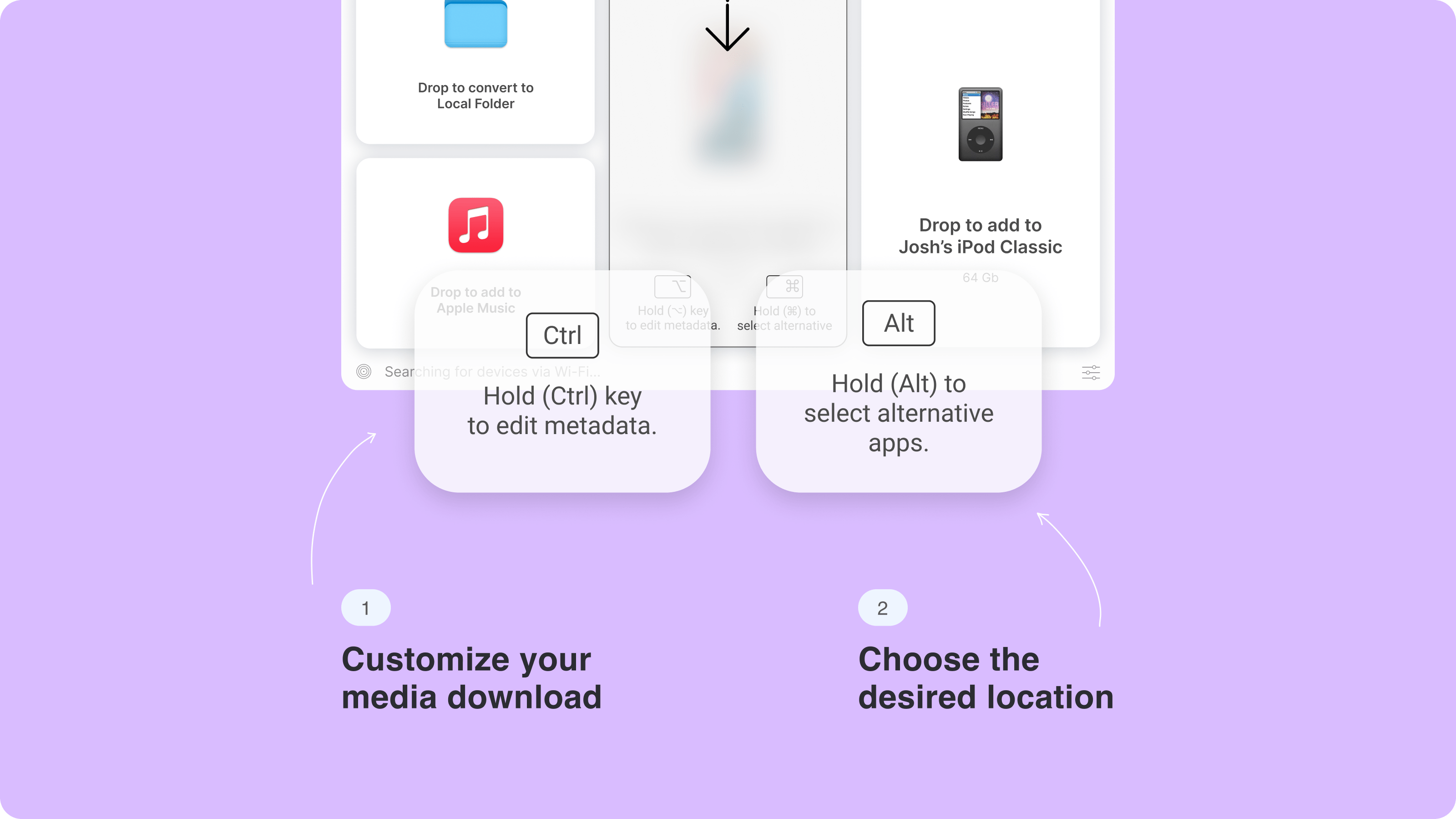
If you want to adjust title or destination before transfer, use the modifier-key options in WALTR PRO. The current article flow uses Ctrl on Windows or Option on Mac for title edits, and Alt on Windows or Command on Mac for choosing a different destination.
WALTR PRO can also help with metadata. Treat that as a time-saver, not a promise that every old audiobook file will arrive with perfect cover art and chapter names. Clean source files still help.
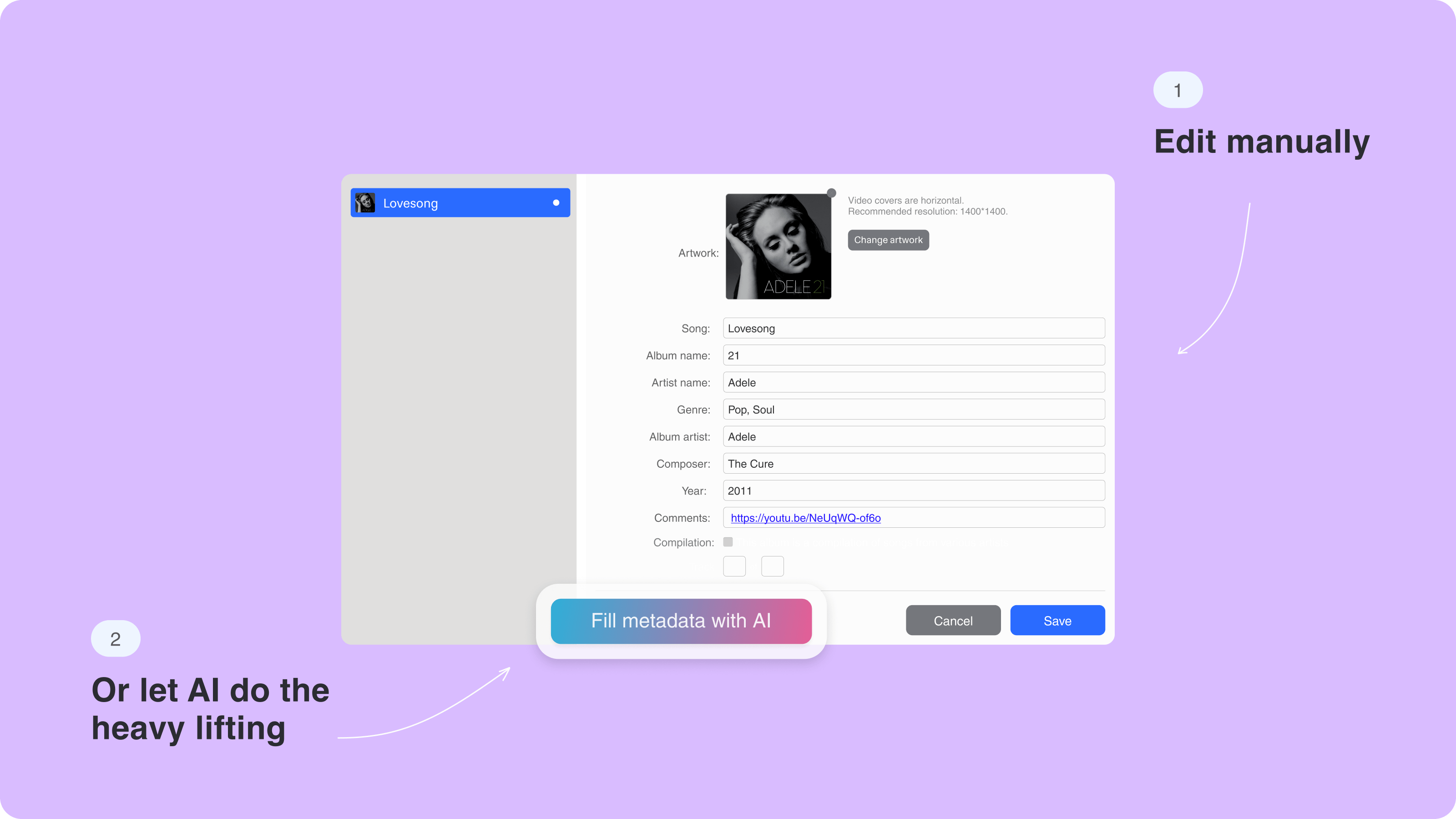
Step 4. Find the audiobook on your iPhone
After transfer, check the app that matches your file type. M4B audiobook files should appear in Apple Books. MP3 files may show up in Apple Music. If you moved several files, give the app a moment to refresh before assuming something failed.
If the audiobook still does not show, check storage, restart the app, reconnect the iPhone, and confirm the file is not DRM-protected. Local files are one thing. Protected subscription downloads are another.
Can you move Audible or Libby audiobooks into Apple Books?
Usually, no. Audible, Libby, Apple Books, and similar services manage downloads inside their own apps. That is how they handle accounts, licenses, library loans, and offline access.
So the right workflow is simple: listen to Audible books in Audible, library loans in Libby, and Apple purchases in Apple Books. Use WALTR PRO for local DRM-free files on your computer. That split saves you from chasing fake “universal import” advice.
Where to get free legal audiobooks for iPhone
If you want free audiobooks, stay legal and boring. Boring is good here. Public-domain and library sources will not wreck your iPhone with sketchy downloads.
- LibriVox: volunteer-read public-domain audiobooks in many languages.
- Project Gutenberg: public-domain books plus some human-read and computer-generated audiobook options.
- Internet Archive audio books and poetry: a large archive of public-domain and community audio.
- Libby or your local library app: free borrowing with a participating library card.
For downloadable MP3 or M4B files, save the audiobook to your computer first. Then transfer it to your iPhone with WALTR PRO. For library loans, keep the audiobook inside Libby so the loan, return date, and offline download stay intact.
Troubleshooting: audiobook not showing on iPhone
If your audiobook is not showing on iPhone, do not start changing 12 things at once. Check the boring causes first. They are usually the answer.
- Wrong app: M4B may appear in Apple Books. MP3 may appear in Apple Music.
- Protected file: Audible, Libby, and Apple purchases may not import as normal local files.
- No trust prompt: unlock your iPhone and tap Trust when connecting to the computer.
- Bad cable or port: try another USB cable before blaming the app.
- No storage: long audiobooks can be large. Check iPhone storage before transferring.
- Unsupported format: convert old or unusual files to M4B, MP3, or AAC first.
If you manage a lot of files, back up the phone before making big changes. Softorino has a separate guide on how to backup and restore iPhone if you need the safety net.
Bottom line
The easiest way to listen to audiobooks on iPhone is to use the app where the audiobook already lives. Apple Books for Apple purchases. Audible for Audible. Libby for library loans.
The easiest way to add your own audiobook files to iPhone is different. Use WALTR PRO when you have MP3, M4B, or AAC files on a Mac or Windows PC and want them on your iPhone without iTunes. Drag, drop, listen. That is how file transfer should have worked all along.
If you use several Softorino apps, the Universal License bundles the core tools for about $3/month. For this job, though, WALTR PRO is the one you want.
If you need to move the finished file to an iPhone or iPad, WALTR PRO transfers files to iPhone without iTunes.
FAQ
Can I listen to audiobooks on iPhone for free?
Yes. You can use free public-domain sources like LibriVox, Project Gutenberg, and Internet Archive, or borrow audiobooks through Libby if your library supports it. Apple Books may also show free titles in some regions.
How do I add M4B audiobooks to iPhone?
Put the M4B file on your Mac or Windows PC, open WALTR PRO, connect your iPhone, and drag the M4B file into the app. M4B is the safest format for audiobook-style behavior on iPhone.
How do I transfer audiobooks to iPhone without iTunes?
Use WALTR PRO for local DRM-free files. Connect your iPhone, drag the audiobook file into WALTR PRO, and let the app transfer it without iTunes or Finder sync.
Why is my audiobook not showing in Apple Books?
The file may be an MP3 that appears in Apple Music, a protected Audible or Libby download that must stay in its own app, or an unsupported file format. Also check storage and the iPhone trust prompt.
Can WALTR PRO transfer audiobooks wirelessly?
Yes, WALTR PRO supports Wi-Fi transfer after setup. Use USB for the first connection, then switch to Wi-Fi for later transfers when your device and network support it.

WALTR PRO
Convert & Push Any File into Any Apple Device
