How to Sync iPhone with New Computer in 2026 Without Losing Data

Trying to sync iPhone with new computer sounds harmless until Apple shows the scary part: Erase and Sync or Remove and Sync.
That warning does not mean your whole iPhone will explode. It means selected content tied to an old library -- usually music, movies, TV shows, books, or photos -- can be replaced by the library on the new computer. If you click through without a backup or export, you can lose files that only live on the iPhone.
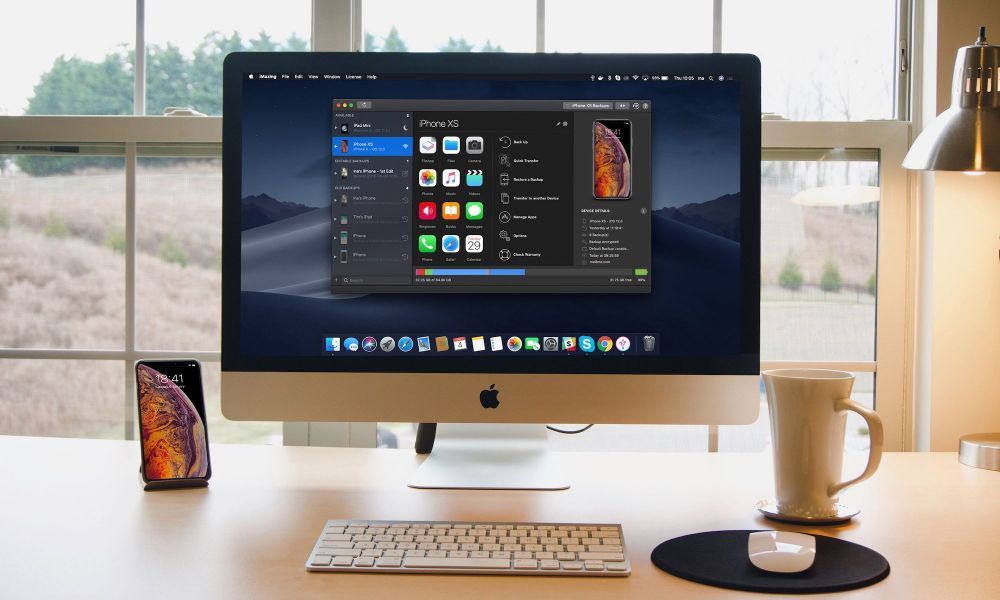
This guide shows the safe way to sync iPhone with new computer in 2026. You will see when to use Finder, Apple Devices, iTunes, iCloud, Google Drive, AltTunes, and WALTR PRO -- and when not to.
Before we begin
Windows users can download AltTunes to back up the iPhone and move its data to a new computer or device without relying on an iTunes sync. Verify the backup before changing the old computer or phone.
First, Decide What You Mean by Sync
People use "sync" for 4 different jobs. Apple does not treat them as the same thing.
What you want to do | Best fit | Watch out for |
|---|---|---|
Export existing iPhone photos, music, videos, contacts, messages, files, or backups to a Windows PC | AltTunes | Windows only |
Sync selected content from a new Mac to iPhone | Finder | Erase and Sync can replace selected media from the old library |
Sync selected content from Windows 10/11 to iPhone | Apple Devices app | Music and TV content may need Apple Music or Apple TV apps |
Move selected files through cloud storage | iCloud Drive, iCloud Photos, Google Drive, OneDrive | Not a full local iPhone backup or full export |
Transfer local files from computer to iPhone without Apple sync | WALTR PRO | Computer-to-iPhone transfer only, not iPhone backup export |
If your goal is to copy data from the iPhone to the new computer, export first. Then sync.
If your goal is to put new content from the computer onto the iPhone, use Finder, Apple Devices, iTunes, or WALTR PRO depending on the file type.
How to Sync iPhone with New Computer Safely: The First Rule
Do these 3 things before you touch any Erase and Sync prompt.
Apple's own sync tools are fine when you understand the direction. They are built to sync selected computer content to the iPhone. They are not a magic button that pulls every existing iPhone file into a new computer.
Back up the iPhone. Use Finder on Mac, Apple Devices on Windows, iTunes on older systems, or iCloud Backup.
Export files that only live on the iPhone. Photos, videos, voice memos, downloaded files, messages, and old music libraries deserve extra care.
Check which sync library owns the iPhone. If your phone was synced with an old computer, the new computer may want to replace selected content.
Syncing is not the same as exporting. If the file only lives on your iPhone, copy it off the iPhone before you sync with a new library.
Tip
Method 1: Export iPhone Data to a New Windows PC with AltTunes
If you are on Windows and your real goal is "get my iPhone stuff onto this new PC," start with AltTunes. It is Softorino's iPhone file manager for Windows, built for people who do not want to wrestle with iTunes.
AltTunes helps you export photos, music, videos, messages, contacts, files, and backups from iPhone to a PC. That makes it useful before you sync iPhone with new computer, especially if the iPhone already holds files from an old computer.
Use AltTunes when:
AltTunes is Windows only. If you are on a Mac, use Finder, Image Capture, Photos, AirDrop, or iCloud depending on the data type.
- You need to transfer iPhone photos to PC.
- You want iPhone file transfer to PC without iTunes.
- You need music, videos, contacts, messages, files, or backups saved locally.
- You are setting up a Windows 10 or Windows 11 computer.
- You want normal folders on your PC instead of Apple's library maze.
Step 1: Download AltTunes on the New PC
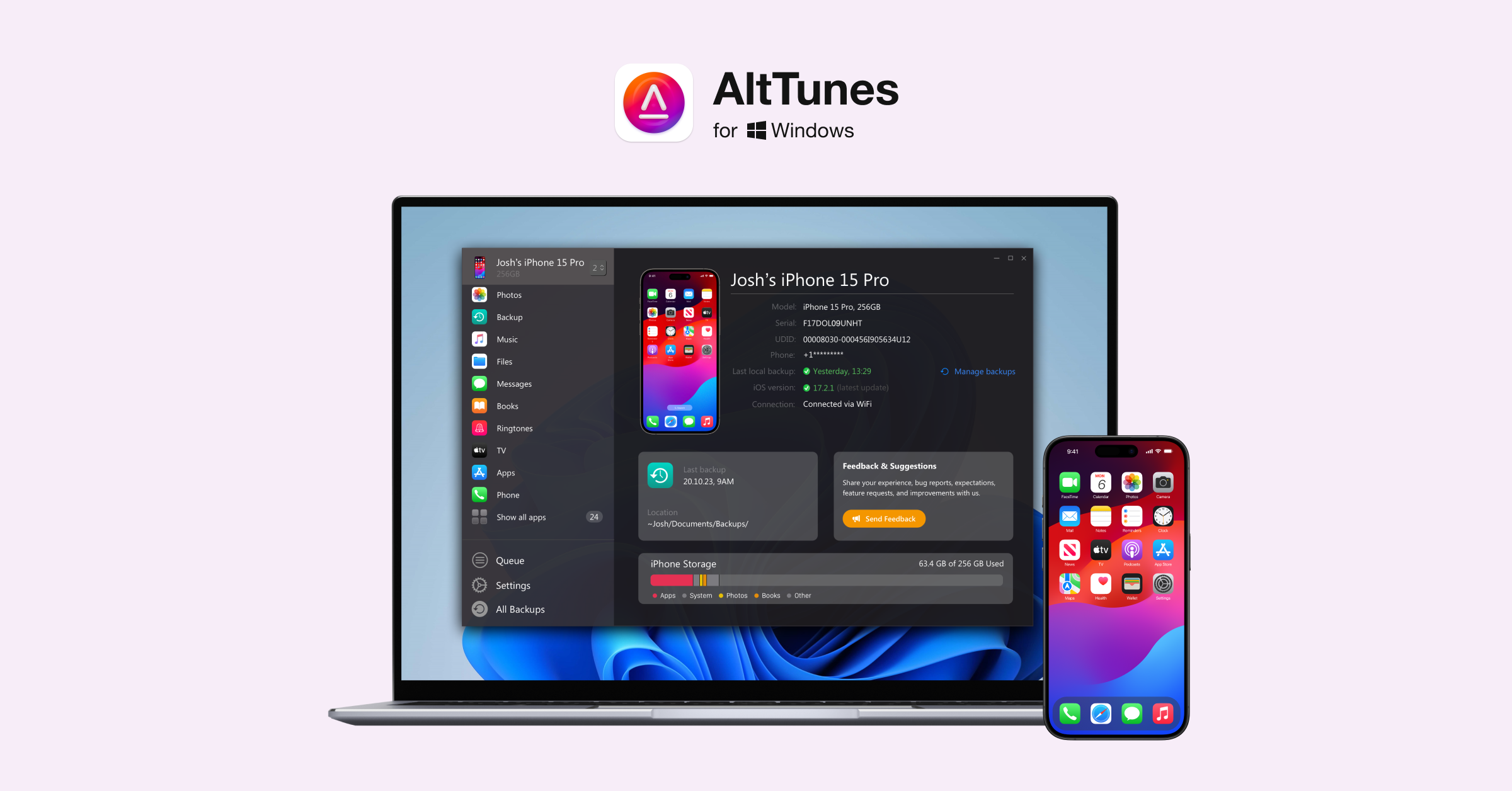
Download and install AltTunes on your Windows computer. Use the current version, not an old installer from a backup drive.
Open the app after installation. Keep your iPhone nearby and use a cable for the first connection.
Step 2: Connect Your iPhone and Trust This Computer
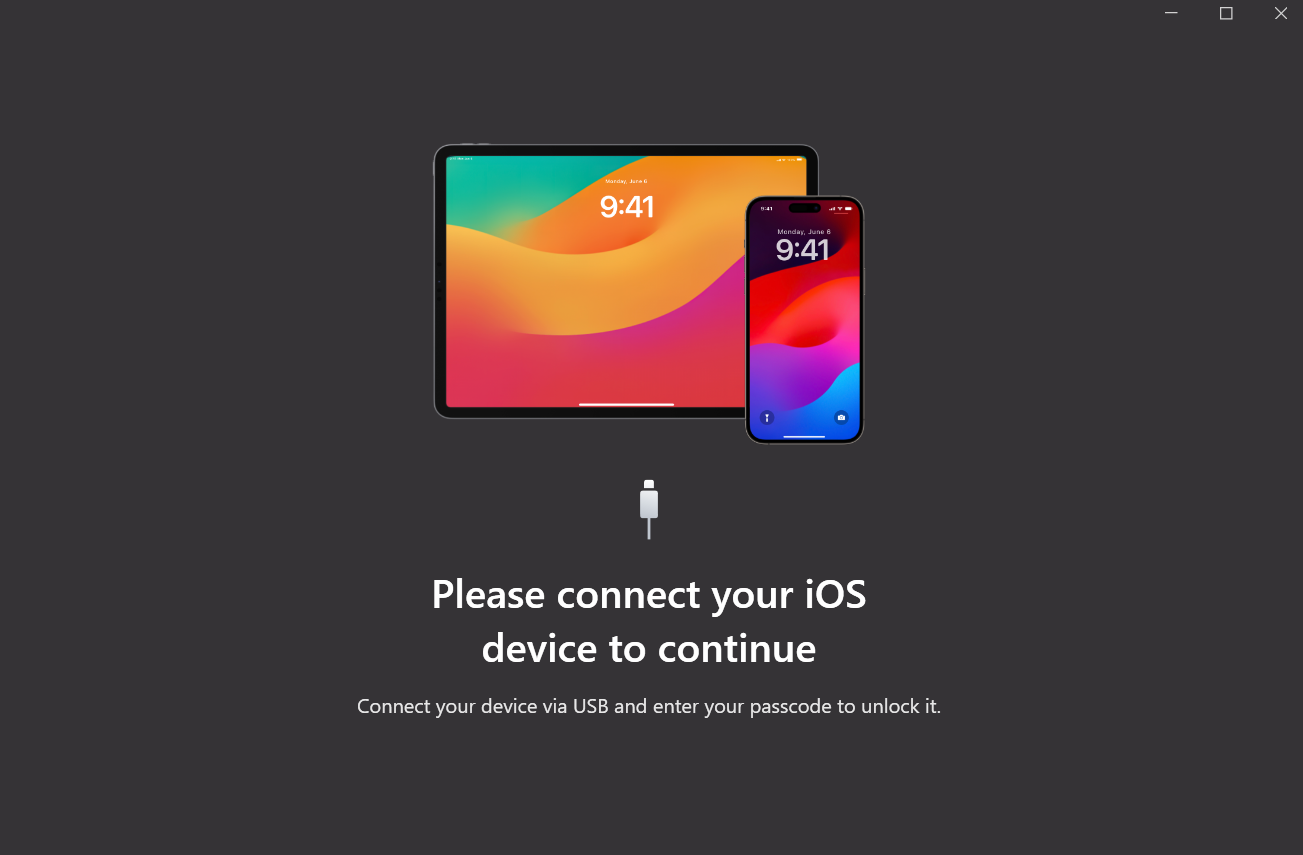
Connect your iPhone to the PC with a USB or USB-C cable. Unlock the iPhone, then tap Trust This Computer when iOS asks.
If the Trust prompt does not appear, unplug the cable, unlock the phone, and try a different USB port. Bad cables cause more iPhone transfer problems than they deserve to.
Step 3: Choose What to Export
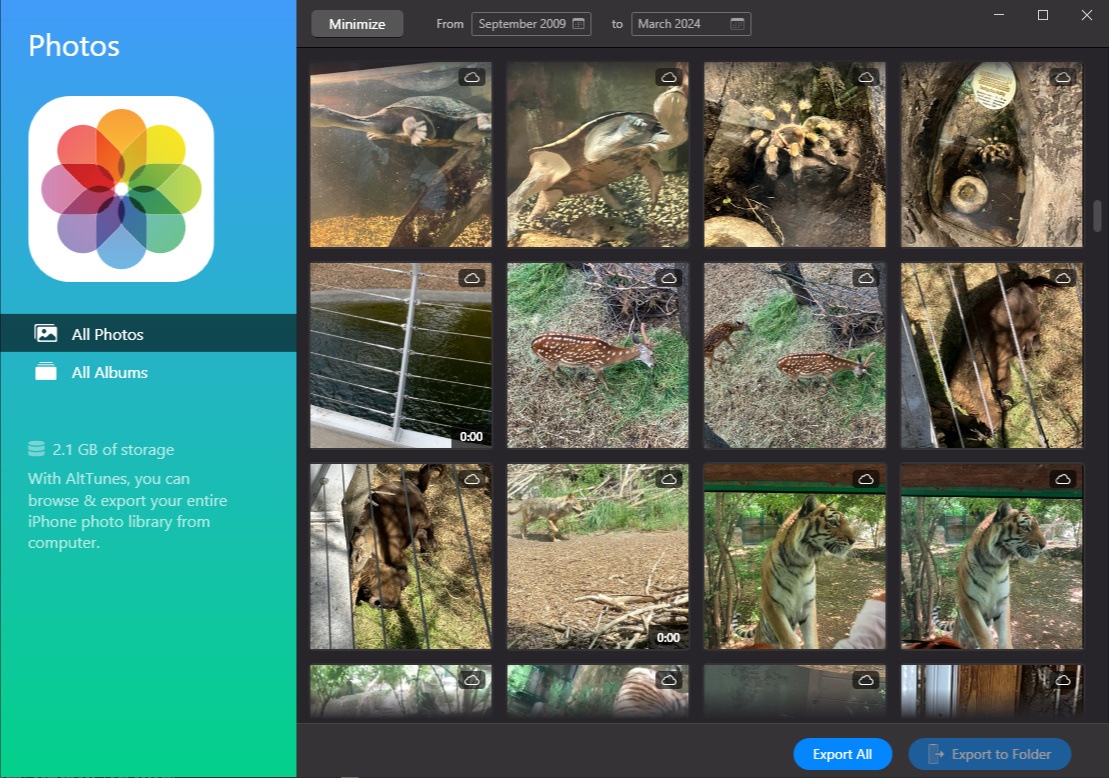
In AltTunes, choose the category you need: photos, videos, music, contacts, messages, backups, or files. Select the items you want to copy, choose a destination folder on the PC, then export.
This is the safer path when the iPhone contains data you do not want Apple's sync process to replace. Once the files are on the computer, you can decide whether Finder, Apple Devices, iTunes, or another method still makes sense.
Need to move local files the other way, from computer to iPhone? Use WALTR PRO for music, movies, PDFs, ringtones, and other user-owned files without Apple sync. WALTR PRO is the computer-to-iPhone tool. AltTunes is the Windows iPhone export tool.
Method 2: Sync iPhone with a New Mac Using Finder
On macOS Catalina or later, Finder handles iPhone sync. iTunes no longer manages iPhone sync on modern macOS.
Use Finder when you want to sync selected music, movies, TV shows, podcasts, books, photos, contacts, calendars, or backups between a Mac and iPhone. Apple documents this workflow in its Finder sync guide.
Step 1: Connect the iPhone to the Mac
Use a cable for the first setup. Unlock the iPhone and tap Trust This Computer.
Open Finder. Your iPhone should appear in the sidebar under Locations.
Step 2: Back Up Before Syncing
Click your iPhone in Finder. Under General, choose whether to back up to iCloud or to this Mac.
For the safest local backup, choose Back up all of the data on your iPhone to this Mac and turn on encrypted backup if you need Health data, saved Wi-Fi passwords, and other protected data.
A backup protects your iPhone settings and app data. It does not solve every media-library conflict, so still export files you care about before accepting Erase and Sync.
Step 3: Choose Content Tabs Carefully
Use Finder tabs for Music, Movies, TV Shows, Podcasts, Audiobooks, Books, Photos, Files, Info, or other available categories.
If Finder warns you that the iPhone is synced with another library, stop and read the prompt. Erase and Sync replaces selected synced content from the previous library with content from this Mac.
Warning
Do not click it because you are tired. Export first if you are unsure.
Step 4: Turn On Wi-Fi Sync After USB Setup
After the first wired setup, Finder can show the iPhone over Wi-Fi when both devices are on the same network. In Finder, select the iPhone and turn on the option to show the device when on Wi-Fi.
Wi-Fi sync is convenient, but it is not a rescue plan. Use it after the first safe setup, not before.
Method 3: Sync iPhone with a New Windows Computer Using Apple Devices
On Windows 10 and Windows 11, Apple now points users to the Apple Devices app for iPhone sync. iTunes still appears in older guides and older systems, but Apple Devices is the current Windows path.
Apple's Windows sync guide covers Apple Devices setup.
Use Apple Devices when you want official Apple sync, backup, update, or restore controls on Windows.
Step 1: Install Apple Devices
Install Apple Devices from Microsoft Store. If you want to sync music, movies, or TV shows, you may also need Apple's Music and TV apps on Windows.
Connect the iPhone with a cable. Unlock it and tap Trust This Computer.
Step 2: Back Up the iPhone
Open Apple Devices, select your iPhone, and create a backup before changing sync settings.
If the iPhone was synced with another computer, treat the new Windows PC as a new library. Do not accept Remove and Sync until you know what content Apple will replace.
Warning
Step 3: Pick Specific Sync Categories
Choose the content you want Apple Devices to sync. Keep the scope narrow at first.
If Photos or Music options do not appear, check iCloud Photos and Apple Music Sync Library on the iPhone. Apple hides or changes some manual sync options when cloud sync is already managing that category.
Step 4: Use Wi-Fi Sync Only After Cable Setup
Apple Devices can sync over Wi-Fi after the first USB setup. Both devices need to be on the same Wi-Fi network.
If the iPhone does not appear over Wi-Fi, reconnect with the cable and check the Wi-Fi sync setting again.
Method 4: Use iTunes Only for Legacy Sync
Use iTunes if you are on an older macOS version, an older Windows setup, or a workflow that still depends on iTunes.
Apple's iTunes sync page still applies to legacy setups.
iTunes can sync music, movies, TV shows, podcasts, audiobooks, books, photos, videos, contacts, and calendars. It can also make backups and restore an iPhone.
The risk is the same: if your iPhone is tied to another iTunes library, iTunes can show Remove and Sync. That removes selected content from the old library and replaces it with content from the new computer.
Use iTunes only if you need it. For most 2026 Windows setups, Apple Devices is the cleaner official path. For Windows export, AltTunes is easier. For Mac sync, Finder is built in.
Method 5: Use iCloud for Photos, Files, and Apple Data
iCloud is useful when your iPhone and new computer share the same Apple ID. It keeps selected categories updated without a cable.
Use iCloud for:
- iCloud Photos
- iCloud Drive files
- Contacts
- Calendars
- Notes
- Reminders
- Safari data
- iCloud Backup
Step 1: Check iCloud on iPhone
On iPhone, open Settings, tap your name, then tap iCloud. Check which categories are turned on.
If iCloud Photos is enabled, your photos sync through iCloud instead of manual Finder or Apple Devices photo sync.
Step 2: Access iCloud on the New Computer
On Mac, sign in with the same Apple ID and turn on the iCloud categories you need.
On Windows, use iCloud for Windows or iCloud.com. This works well for photos, files, contacts, calendars, and selected Apple services.
Step 3: Watch the Storage Limit
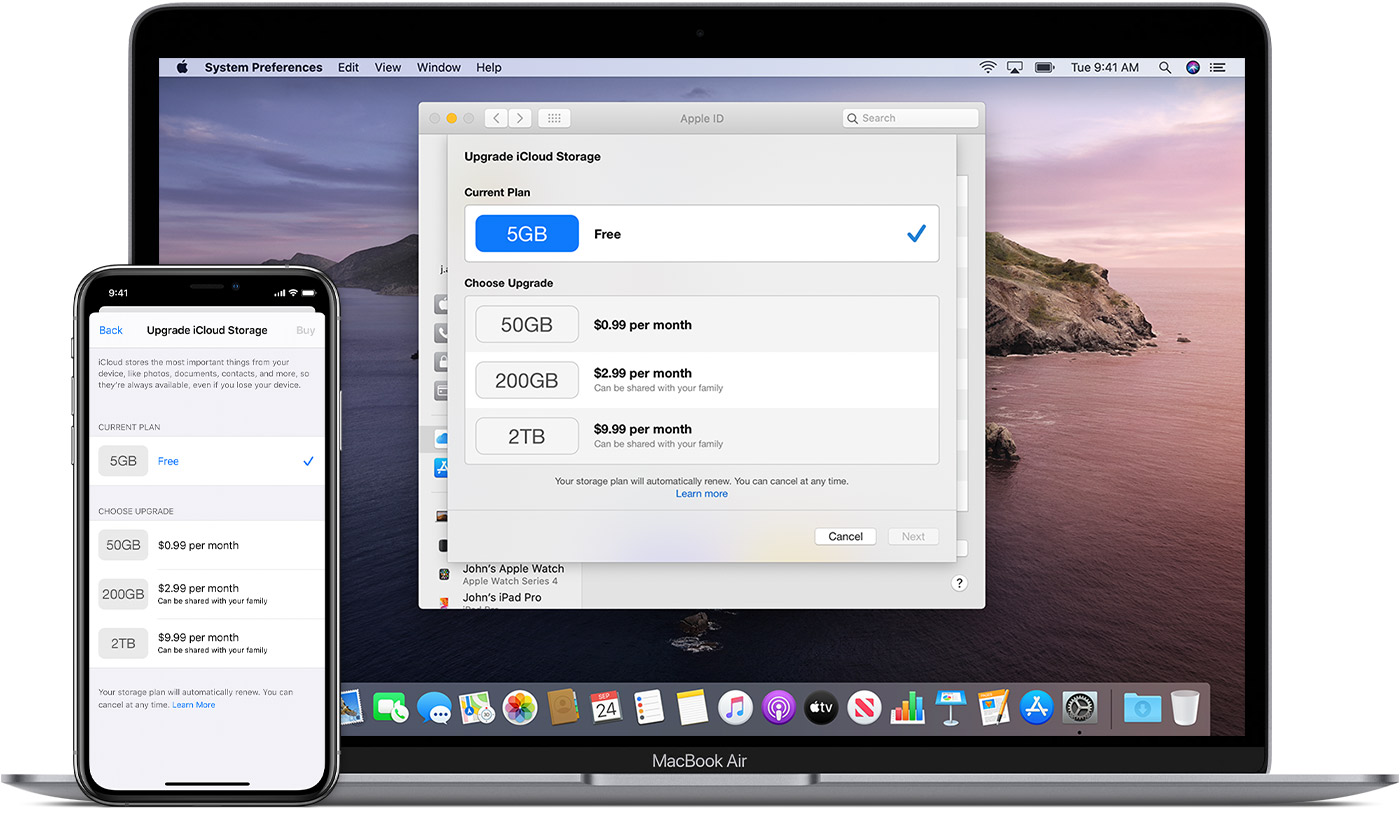
iCloud gives 5GB of free storage. That disappears fast if you have photos, videos, and backups.
Use iCloud for ongoing sync. Do not treat it as a complete local export if you need every file saved to a new computer folder today.
Tip
Method 6: Use Google Drive or OneDrive for Selected Files
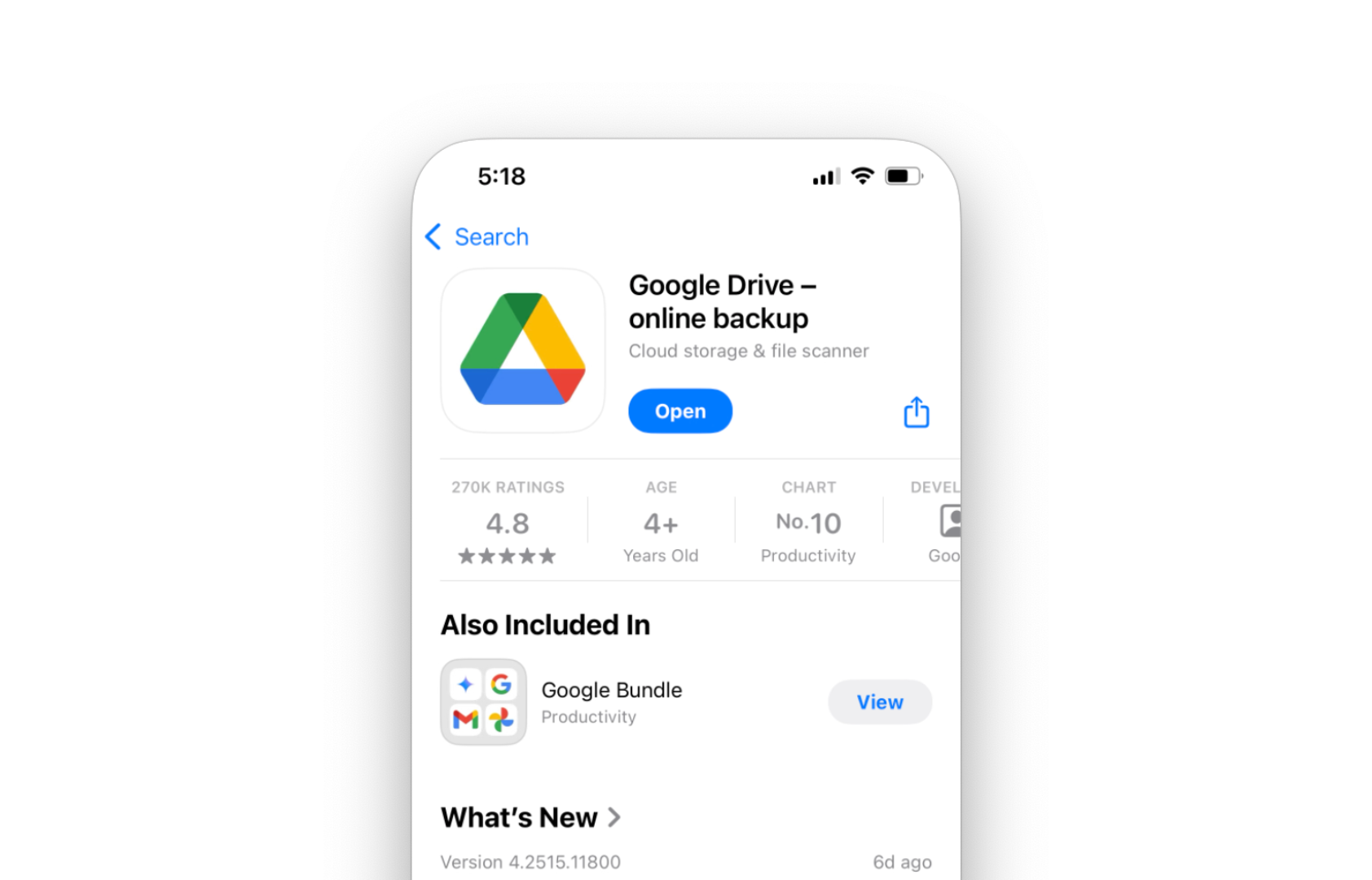
Google Drive and OneDrive are fine for selected documents, videos, ZIP files, and exported items. They are not a full answer to how to sync iPhone with new computer.
Use them when:
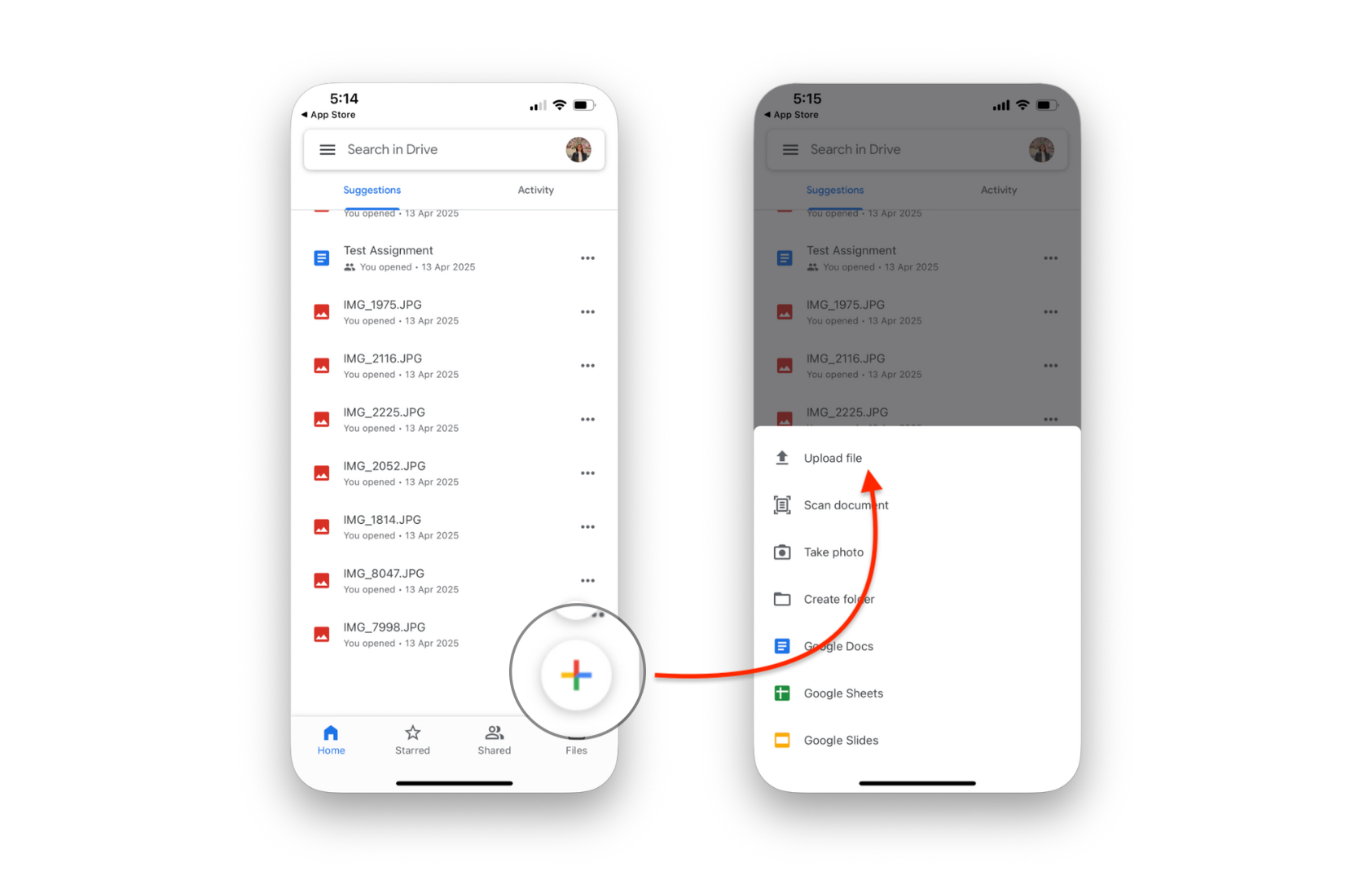
Open the cloud app on iPhone, upload the files, then download them on the new computer.
Cloud storage depends on internet speed and storage space. For a large photo library or music library, direct export is usually faster.
- You need to move a handful of files.
- You use both Windows and Mac.
- You want files available through a browser.
- You do not need messages, contacts, backups, or app data.
Method 7: Transfer App Files with Finder, Apple Devices, or iTunes
Apple also supports file transfer for apps that expose documents through file sharing. This is different from full iPhone sync.
Apple's iPhone file transfer guide explains the app file sharing limit.
Use this method for apps that store documents you can copy out, such as media editors, PDF apps, or file managers.
The limitation matters: only apps that support file sharing show their documents. You will not see every app's hidden data as normal files.
Which Method Should You Choose?
Situation | Use this |
|---|---|
You have a new Windows PC and want iPhone photos, music, videos, messages, contacts, files, or backups saved locally | AltTunes |
You have a modern Mac and want official Apple sync | Finder |
You have Windows 10/11 and want official Apple sync | Apple Devices |
You have an older setup that still depends on iTunes | iTunes |
You want photos and files to stay updated through Apple ID | iCloud |
You need to move a few files across platforms | Google Drive or OneDrive |
You want to put local music, movies, PDFs, or ringtones onto iPhone without Apple sync | WALTR PRO |
If you are worried about losing data, export first. Sync second.
If you only need official backup and restore, use Finder or Apple Devices.
If you are a Windows user who wants a cleaner iPhone file manager, try AltTunes before you let Apple replace anything.
Troubleshooting: How to Sync iPhone with New Computer When It Fails
Trust This Computer Does Not Appear
Unlock the iPhone before connecting. Try another cable and USB port. Restart both devices if the prompt still does not appear.
iPhone Does Not Show in Finder or Apple Devices
Update macOS, Windows, Apple Devices, or iTunes. Try a direct cable connection instead of a hub. Check that the iPhone is unlocked.
Erase and Sync Warning Appears
Stop. This warning means selected content from the old library may be replaced. Back up the iPhone and export important data before continuing.
Music or Photos Sync Options Are Missing
Check whether iCloud Photos or Apple Music Sync Library is enabled. Cloud sync can remove or change manual sync controls.
Wi-Fi Sync Does Not Work
Set up the iPhone with a cable first. Then turn on Wi-Fi sync in Finder, Apple Devices, or iTunes. Keep both devices on the same Wi-Fi network.
Transfers Are Slow
Use a cable for large photo and video libraries. Wi-Fi and cloud transfer speed depends on network quality.
Final Recommendation
The safest way to sync iPhone with new computer is simple: export first, then sync.
Use AltTunes if you are on Windows and need to pull iPhone data onto a new PC. Use Finder on a modern Mac. Use Apple Devices on Windows 10/11 for official sync. Use iCloud or Google Drive for selected cloud categories, not for a full local export.
If you also want to move music, videos, PDFs, or ringtones from the new computer back to your iPhone without Apple's sync drama, use WALTR PRO. Both AltTunes and WALTR PRO are included in the Softorino Universal License, so you can handle iPhone export and iPhone transfer without babysitting iTunes.
FAQ
Will syncing my iPhone with a new computer erase everything?
No, syncing with a new computer usually does not erase the entire iPhone. The risk is selected content tied to another sync library, such as music, movies, TV shows, books, or photos. If you see Erase and Sync or Remove and Sync, export and back up first.
How do I sync iPhone to new computer without losing data?
Back up the iPhone first, export any files that only live on the iPhone, then sync selected categories through Finder on Mac or Apple Devices on Windows. Do not accept Erase and Sync until you know what Apple will replace.
Should I use Finder, Apple Devices, or iTunes?
Use Finder on macOS Catalina or later. Use Apple Devices on Windows 10/11. Use iTunes only for older macOS or legacy Windows workflows.
Can I transfer iPhone photos to a PC without iTunes?
Yes. Windows users can use AltTunes to export iPhone photos and other data to a PC. You can also use iCloud Photos, Windows Photos import, or cloud storage depending on your setup.
Can I sync iPhone over Wi-Fi with a new computer?
Yes, but set it up with a cable first. Finder, Apple Devices, and iTunes can show the iPhone over Wi-Fi after the first trusted USB connection.
Why do Music or Photos sync options not appear?
iCloud Photos and Apple Music Sync Library can hide or change manual sync options. Check those settings on the iPhone before assuming Finder or Apple Devices is broken.
Is Google Drive a full iPhone sync method?
No. Google Drive works for selected uploaded files. It does not sync iPhone messages, contacts, app data, backups, or Apple media libraries.
Where does WALTR PRO fit?
WALTR PRO transfers files from your computer to your iPhone without iTunes. Use it for music, videos, PDFs, and ringtones after your new computer is set up. It is not an iPhone backup exporter.

AltTunes
Seamlessly Browse, Manage & Export iOS Data
