How to Restore iPhone from Backup in 2026

How to restore iPhone from backup depends on where you saved the backup. For iCloud, start with a new or erased iPhone and choose From iCloud Backup during setup. For a computer backup, connect the iPhone to your Mac or PC and choose Restore Backup in Finder, Apple Devices, or iTunes.
Protect any new data before a full restore. An older backup can replace newer messages, app data, and settings. If you only need a few files on your PC, consider exporting them from an accessible backup instead of restoring the whole iPhone.
Important: A full iCloud restore requires a new or erased iPhone. If your iPhone is already set up, back up anything new before you erase it.
Quick answer: how to restore iPhone from backup
Quick answer: Use Apple's free restore tools for an iCloud or computer backup. Choose AltTunes on Windows when you also need to browse or export local backup data.
Restore method | Best for | Effect on current data | Needs computer? | Platform | Watch out for |
|---|---|---|---|---|---|
iCloud backup | New iPhone, erased iPhone, setup screen restore | Erase first if already set up | No | iPhone only | Slow Wi-Fi and newer iOS requirements |
Finder backup | Mac users with a local backup | Full restore can replace current data | Yes | macOS Catalina or later | Encrypted backup password |
Apple Devices or iTunes backup | Windows users with Apple-native local backups | Full restore can replace current data | Yes | Windows | Apple Devices app vs older iTunes flow |
AltTunes | Local backup browsing, export, and restore | Export to PC differs from full restore | Yes | Windows | Do not treat it as an iCloud erase bypass |
Apple explains the native methods in its guide to restoring an iPhone from a backup. Use the backup location to choose your route, then check its date before you start. None of these full-restore methods promises to merge old and new data safely.
Before we begin
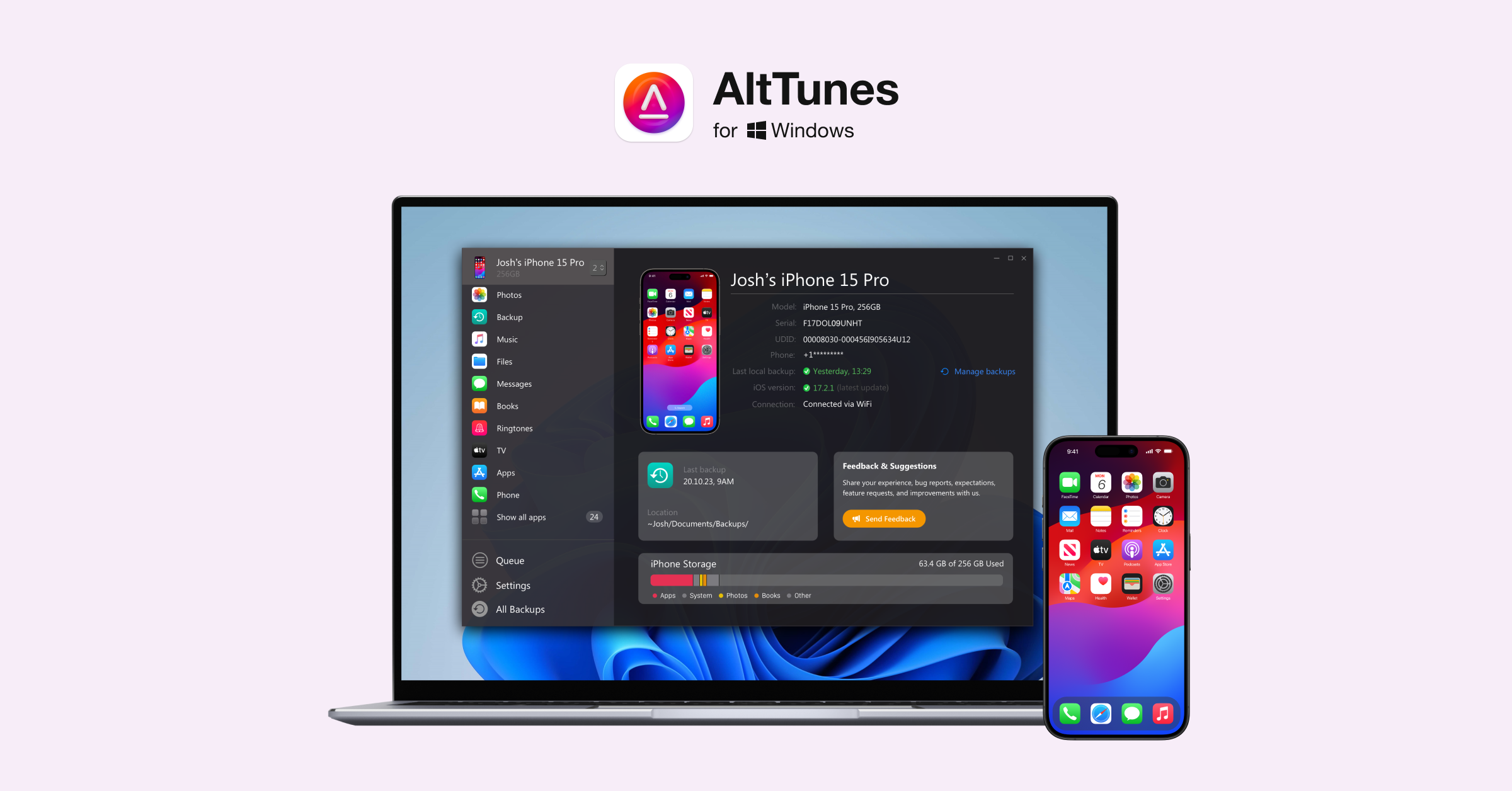
On Windows, download AltTunes to create a local iPhone backup and browse or export its data. The free trial lets you check the app before buying. Keep the source phone untouched until you confirm the data you need, and check support for your iPhone and iOS version before a restore.
Choose your backup source before changing the iPhone. Keep a separate copy of any current data you need, especially if you plan to restore an older backup.
Use iCloud if your backup lives in iCloud and your iPhone is new, erased, or still on the setup screen. This is the easiest path when you do not want to connect to a computer.
Use Finder if your backup is on a Mac running macOS Catalina or later. On macOS Mojave or earlier, use iTunes instead.
Use Apple Devices if your backup is on a Windows PC with that app installed. If your PC does not have Apple Devices, Apple also documents the iTunes restore method.
Use AltTunes on Windows to browse local backups or export accessible files to your PC. A file export leaves you with copies on the computer; it does not restore the full iPhone or bypass the iCloud setup flow.
Method 1: restore iPhone from backup with AltTunes on Windows
AltTunes is a Windows app for local iPhone backups and file exports. Softorino's AltTunes backup documentation describes browsing saved backup data, exporting files, and restoring to a device. You can browse an accessible local backup even when the iPhone is disconnected.
The steps below follow Softorino's documentation. No new on-device testing took place. The screenshots and video are retained from the earlier guide, so labels may differ in your app. Check current device support first; AltTunes is not an iCloud erase or password bypass.
Step 1: download and install AltTunes
Download AltTunes for Windows, install it, and open the app. Softorino lists Windows 10 and 11 support and offers a free trial. Check the current product page for compatibility before using it with your iPhone.
Step 2: connect your iPhone
Connect your iPhone to the Windows PC with a USB cable. Unlock the iPhone and tap Trust This Computer if iOS asks for permission.
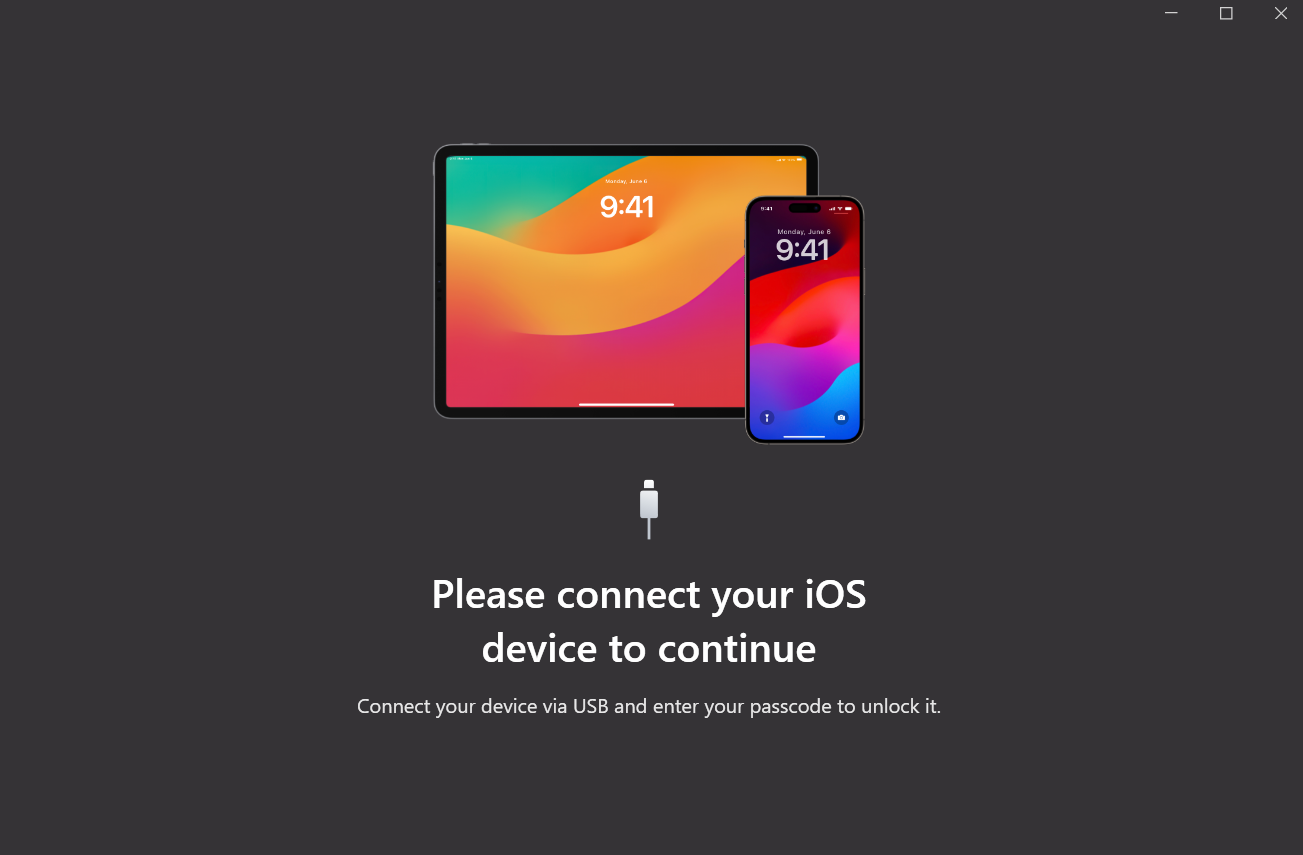
Choose your connected iPhone in AltTunes, then follow the app's prompts for the available local backup or restore action. If you only want files on the PC, use the backup browsing and export features instead.
Step 3: choose the backup
Check the backup's device and date before restoring. Choose a backup from before the loss if you need older data. For a new-phone move, choose the latest suitable backup. Do not assume every missing file is in it.
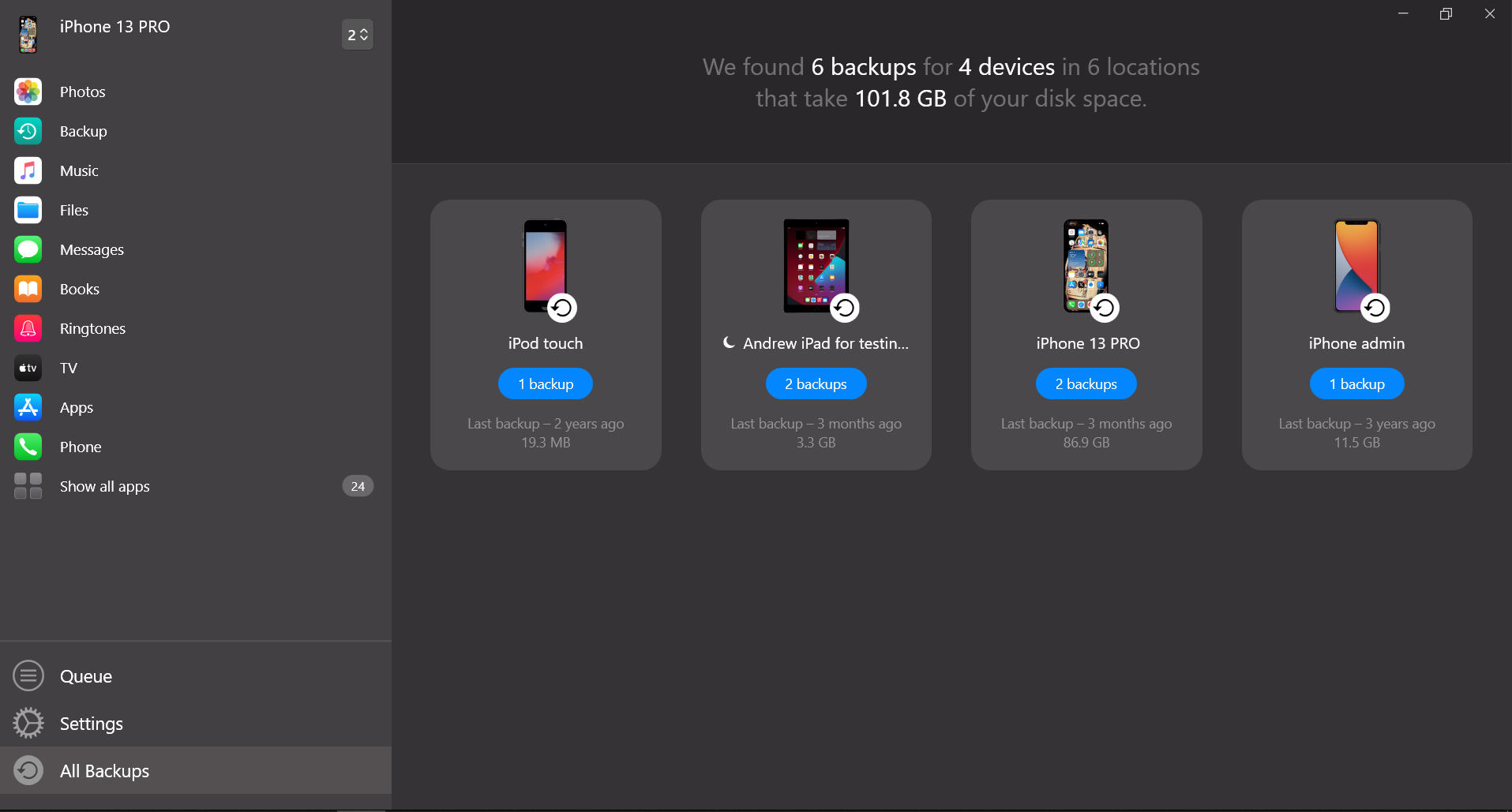
If the backup is encrypted, you need the encrypted backup password. That is not always your Apple Account password. It is the password created when backup encryption was turned on.
Check your password manager or saved keychain records for the encrypted backup password before starting. Resetting the password for future backups will not unlock an older encrypted backup.
Step 4: start the restore and keep the iPhone connected
Review the restore prompts before you confirm, then keep the iPhone connected until AltTunes finishes. Let any restart complete. Do not unplug the cable during the restore or erase your old phone before checking the result.
After the restore, check the data that matters most: photos, messages, contacts, app data, and files. If anything looks wrong, stop and review the backup date before running another restore.
Method 2: how to restore iPhone from backup with iCloud
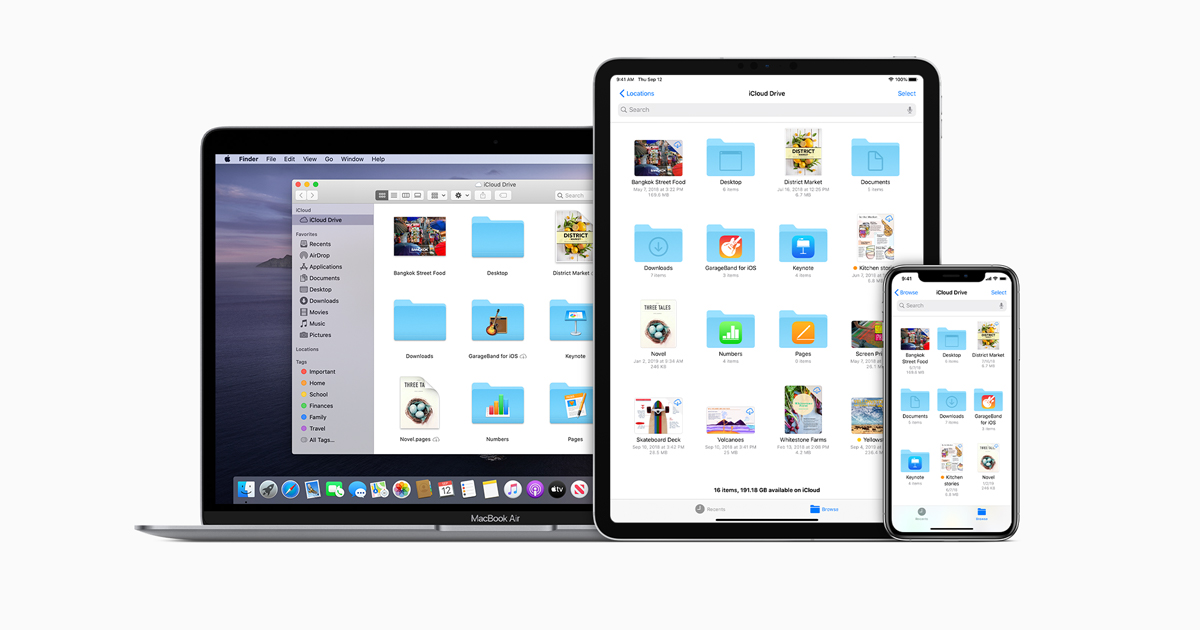
Use an iCloud backup restore when you are setting up a new iPhone or restoring an erased iPhone. Apple's iPhone restore guide explains this setup requirement. Older screenshots below illustrate the workflow; follow the current menu names in the text.
Step 1: update iOS if needed
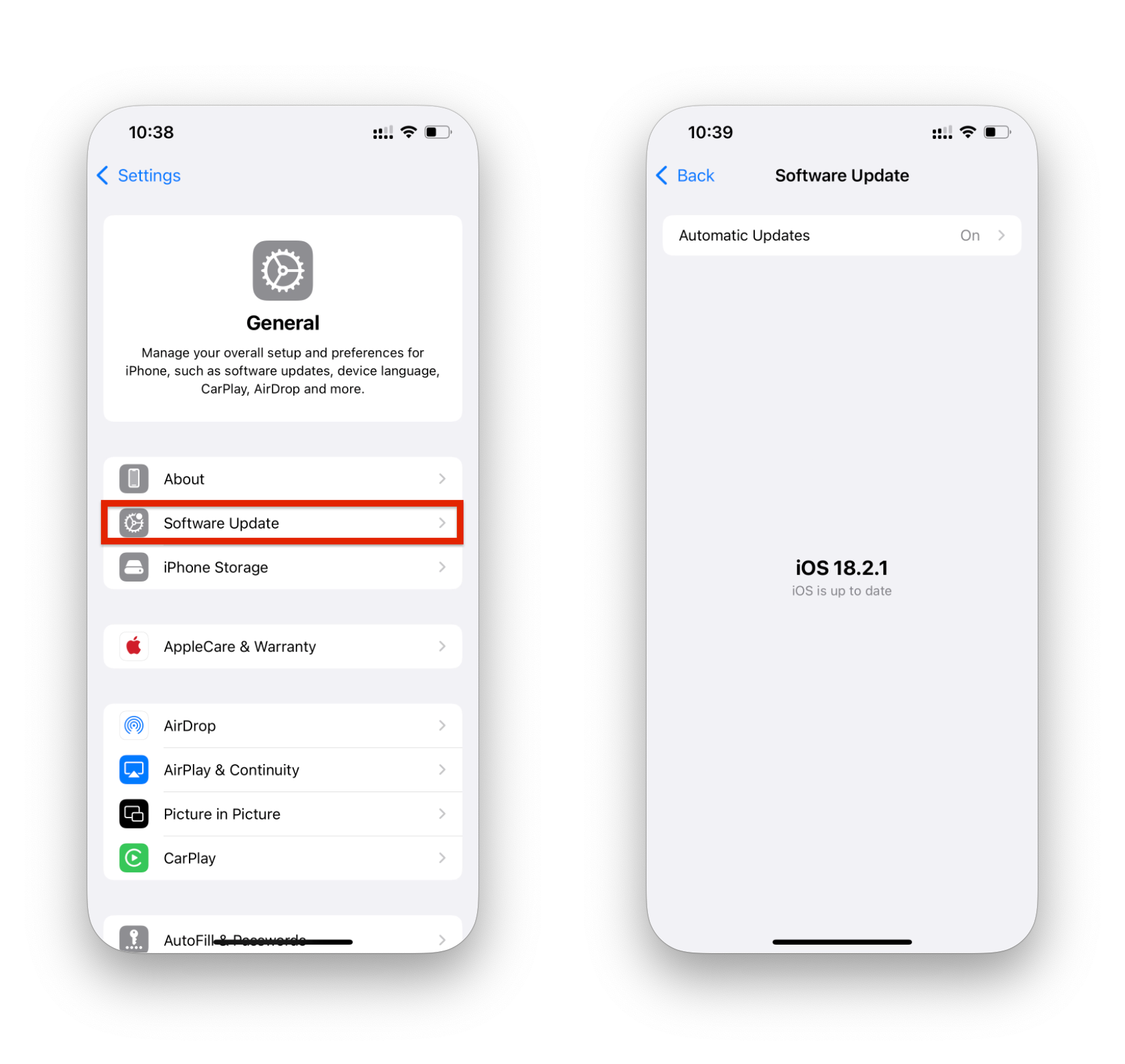
Some backups require a newer iOS version. If your iPhone says the backup cannot be restored because the software is too old, update iOS first.
On a working iPhone, go to Settings > General > Software Update. If you are on the setup screen, Apple may offer to update before restore.
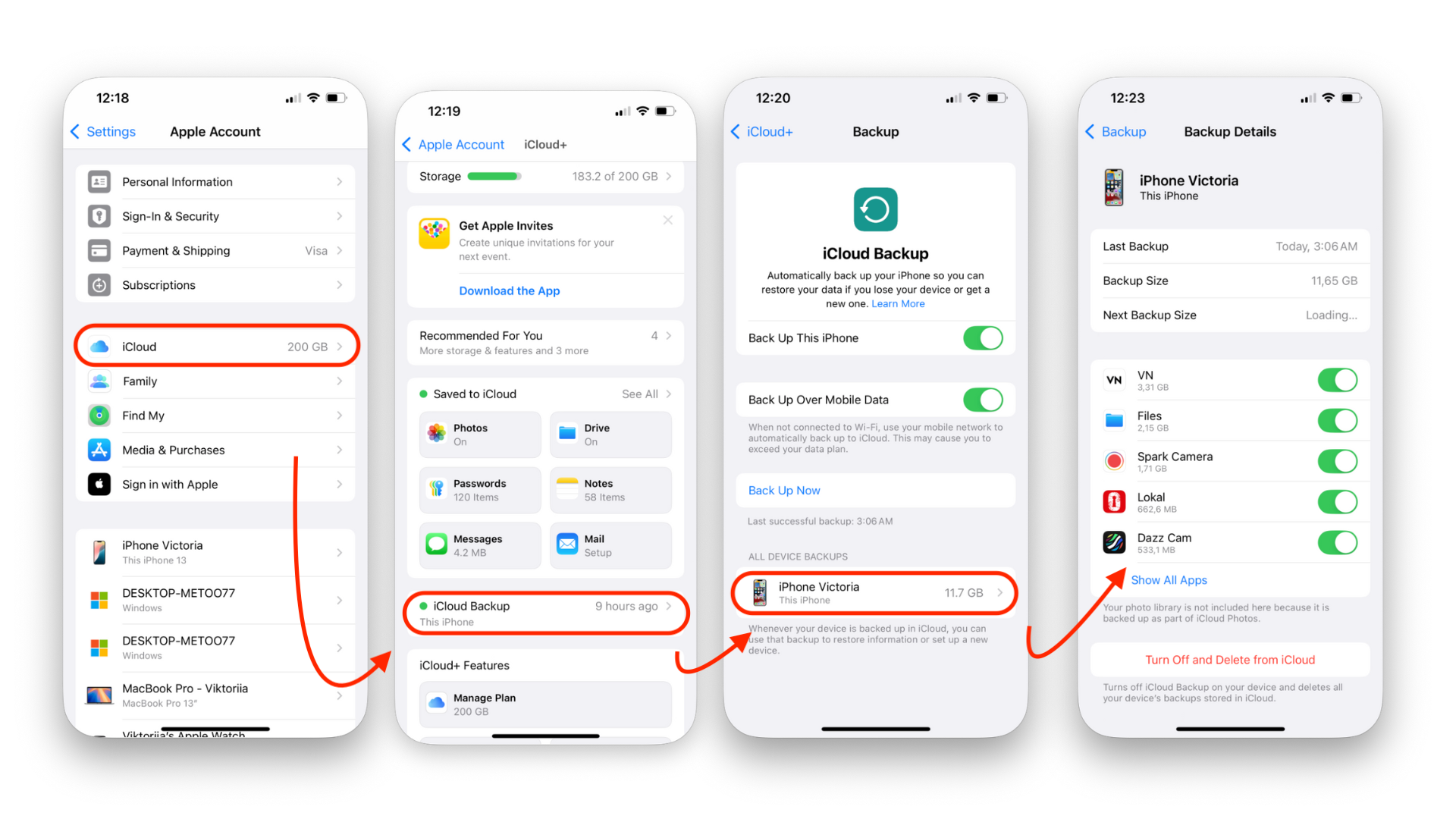
Step 2: check that the iCloud backup exists
On the old iPhone, open Settings > [your name] > iCloud > iCloud Backup. Check the date of the latest backup.
If you still have the old iPhone, make a fresh backup before moving data. Connect to Wi-Fi, plug into power, and tap Back Up Now.
Step 3: erase the iPhone if it is already set up
Save new data before erasing an already set-up iPhone. For a full iCloud restore, open Settings > General > Transfer or Reset iPhone > Erase All Content and Settings. Continue only after you have protected anything missing from the backup.
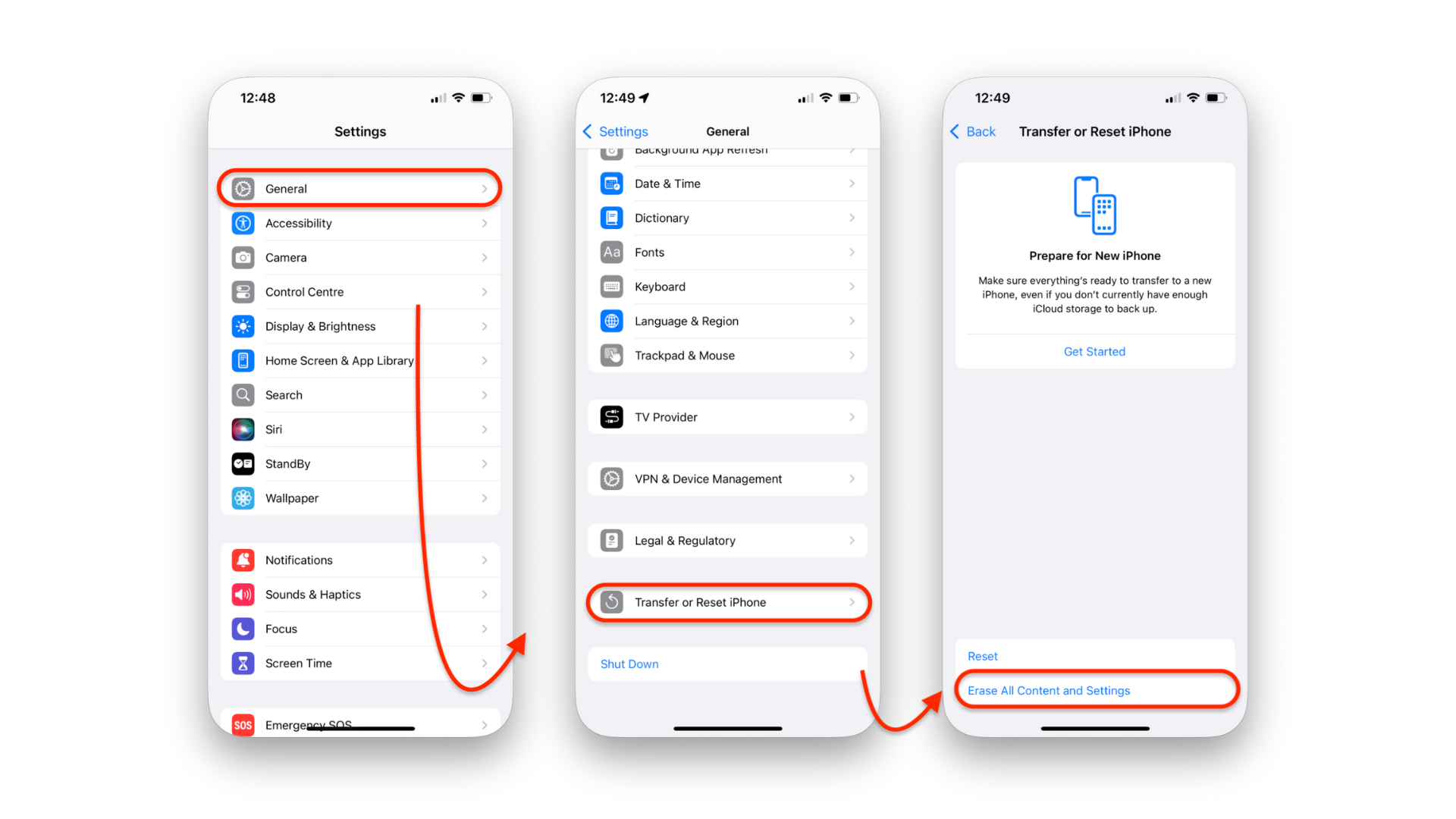
Back up new data before doing this. Anything created after your last backup can disappear if you erase first and restore an older backup.
Step 4: choose From iCloud Backup during setup
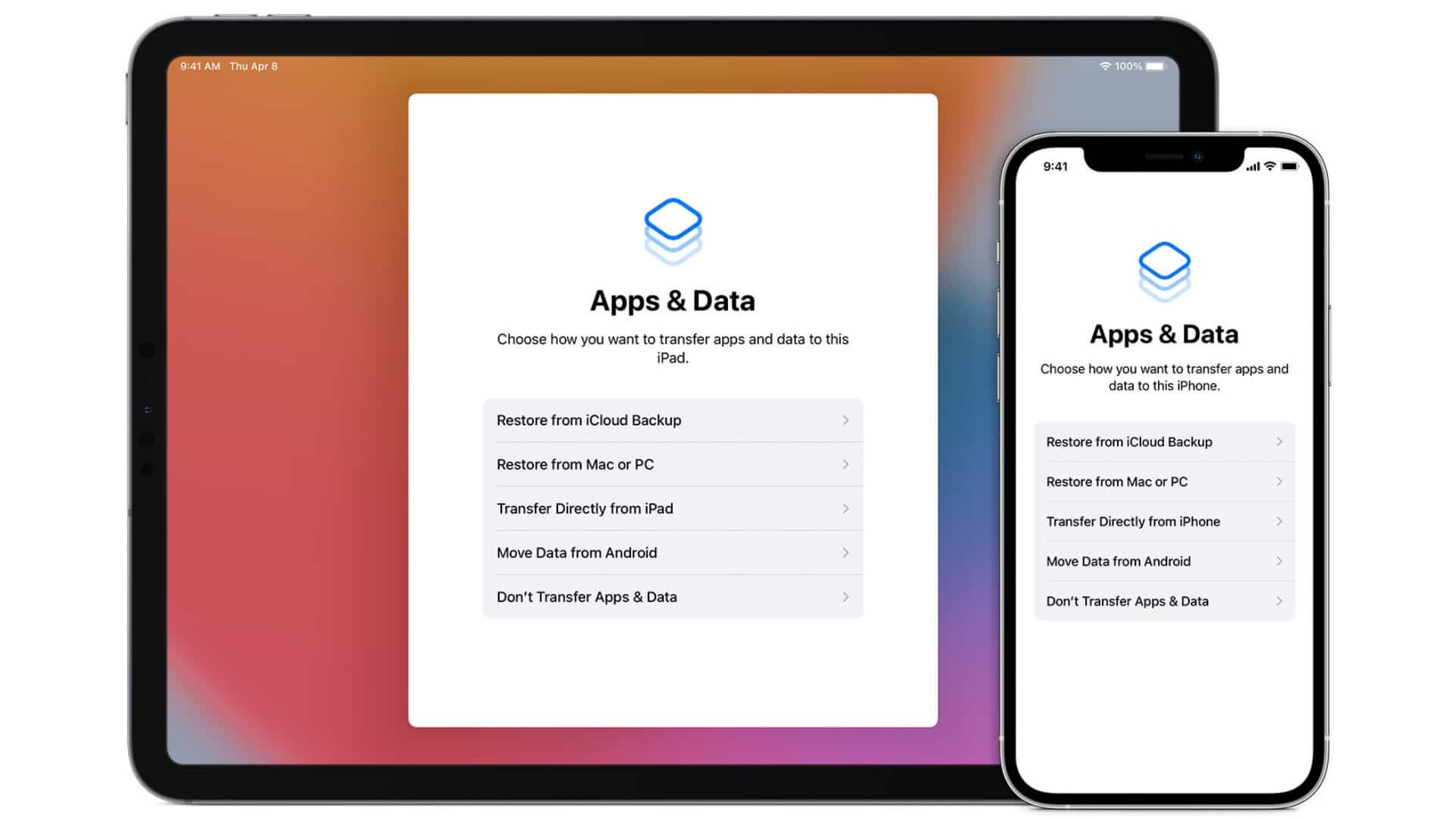
Turn on the iPhone and follow the setup steps. When you reach Transfer Your Apps & Data, choose From iCloud Backup. Sign in to your Apple Account, then choose the backup by date and size.
Keep the iPhone on Wi-Fi and power. Apple says the initial progress bar can take a few minutes to an hour, depending on backup size and network speed. Apps, photos, and other content may continue restoring in the background for hours or days.
If apps still show cloud icons after setup, leave the iPhone on Wi-Fi and power so downloads can finish. If progress stays stuck, check Apple System Status for an iCloud outage before repeating the restore.
Method 3: how to restore iPhone from backup on a computer
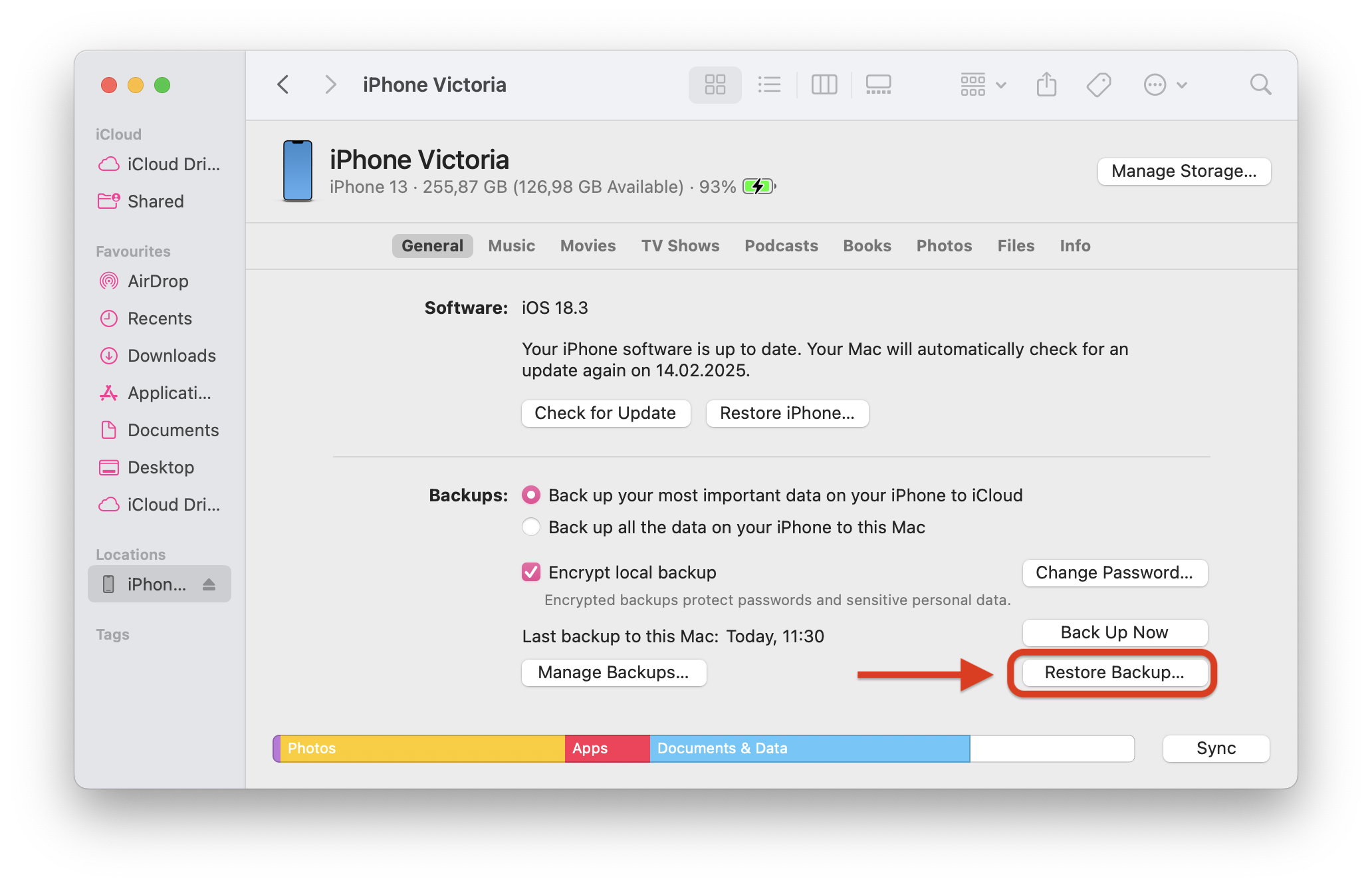
Use a computer restore when the backup is stored on your Mac or Windows PC. Open Finder, Apple Devices, or iTunes as appropriate, then choose Restore Backup. Do not confuse that command with Restore iPhone, which resets the device.
On Mac: use Finder
On macOS Catalina or later, connect the iPhone to the Mac, open Finder, and select the iPhone in the sidebar. In the General tab, choose Restore Backup.
Pick the backup by date. If the backup is encrypted, enter the encryption password. Keep the cable connected until the restore and sync finish.
On Windows: use Apple Devices or iTunes
On Windows, use the Apple Devices app if that is how your iPhone backup was created. Connect the iPhone, open Apple Devices, select the device, and choose Restore Backup.
If your PC still uses iTunes, open iTunes, select the iPhone icon, and choose Restore Backup. Pick the backup, enter the encrypted backup password if needed, then wait.
A wired restore can still take a while. The time depends on backup size, cable speed, computer performance, and whether iOS needs to finish syncing media afterward.
Can you restore iPhone from backup after setup?
Yes, but the answer depends on the restore type.
For a full iCloud backup restore after setup, Apple requires an erase. You cannot merge a full iCloud backup into an already set-up iPhone from Settings. You erase the iPhone, return to setup, then choose From iCloud Backup.
For a full computer backup restore, Finder, Apple Devices, and iTunes restore the backup onto the iPhone. Protect current data first. Treat a full restore as replacing device data, not as a way to merge an old backup with everything on the phone now.
If you only need selected files on a PC, AltTunes can browse and export accessible local backup data. Read the guide to viewing iPhone backup files before choosing a full restore. Exporting data to a PC does not put the entire backup back onto your iPhone.
How to restore a new iPhone from backup
A new iPhone starts on the setup screen. You can restore from iCloud or a computer backup. If you still have the old phone, Quick Start also offers a direct device-to-device transfer, which is a different route from restoring a saved backup.
Option 1: use iCloud during setup
Turn on the new iPhone, connect to Wi-Fi, and follow setup. At Transfer Your Apps & Data, choose From iCloud Backup. Sign in to your Apple Account and select the latest backup from the old iPhone.
Option 2: use Quick Start
If you still have the old iPhone, put both iPhones near each other and use Quick Start. This can transfer data directly from one device to another without picking an iCloud backup manually.
Keep both devices available until the transfer finishes. A direct transfer uses the old phone's current data; it does not let you recover an earlier state from a saved backup.
Option 3: use a computer backup or AltTunes on Windows
For Apple's computer-backup migration, choose From Mac or PC during setup, then connect to the computer holding your backup and select Restore Backup. If the new iPhone is already set up, save new data before erasing it to restart setup. For an AltTunes backup on Windows, follow the app's restore prompts.
For Apple's computer-backup migration, Health and Activity data will not transfer from an unencrypted backup. If you still have the old phone, make an encrypted backup first. See Apple's new-iPhone computer-backup steps before starting the move.
Troubleshooting common iPhone restore problems
Check the backup source, iOS version, connection, and password before repeating a failed restore. Repeating an erase will not fix a missing backup or recover data that the backup never contained.
Backup does not appear
- Make sure you signed in with the same Apple Account that created the iCloud backup.
- Check that the old iPhone completed a backup.
- Update iOS if the backup was made on a newer version.
- For computer backups, connect to the same Mac or PC where the backup was created.
- Try a different USB cable if the iPhone does not show in Finder, Apple Devices, or iTunes.
Restore is taking too long
- Keep the iPhone connected to power.
- Use a strong Wi-Fi network for iCloud restores.
- Use a USB cable for computer restores.
- Leave the iPhone alone while apps and photos finish downloading.
- Check Apple System Status if iCloud restore feels stuck across multiple attempts.
Backup needs a newer iOS version
If an iCloud restore offers a software update, accept it. For a computer-backup version error, or when you need to update through temporary setup, Apple documents the set up, update, and erase route below. Save any new data before the erase step.
- At Transfer Your Apps & Data, choose Don't Transfer Apps & Data and finish temporary setup.
- Open Settings > General > Software Update. Install the update and wait for the iPhone to restart.
- Save anything new you need, then go to Settings > General > Transfer or Reset iPhone > Erase All Content and Settings.
- At the Hello screen, set up the iPhone again and choose the backup you want to restore.
Encrypted backup password is missing
An encrypted computer backup needs the backup password. Your Apple Account password may not work. Check your password manager or the Mac Keychain if the backup was created on a Mac.
You cannot restore an encrypted backup without its password. Resetting the backup password lets you create new encrypted backups, but it does not unlock previous backups. Use another available backup if you cannot recover the password.
Find My or Activation Lock blocks the restore
If the iPhone asks for its owner's Apple Account during activation, use that account or Apple's account-recovery support. A backup restore or third-party file manager does not remove Activation Lock. Do not erase the old phone while access to the new one remains unresolved.
Why photos or messages may still be missing
iCloud syncing and iCloud Backup are different. If you use iCloud Photos or Messages in iCloud, that data is not in the daily backup. Apple explains what iCloud backs up. An older backup therefore does not guarantee recovery of photos or messages you deleted from the synced library.
Quick takeaways: final checklist before you restore
Before you restore iPhone from backup, check 5 things:
- You know where the backup lives: iCloud, Mac, Windows PC, or AltTunes.
- You checked the backup date and size.
- You saved any new data that is not in the backup.
- You know the encrypted backup password if it is a computer backup.
- You can leave the iPhone on power and Wi-Fi, or connected to the computer, until the restore finishes.
Keep the old phone and the backup until you have checked the restored messages, photos, contacts, and app data. If something is missing, confirm whether it was in the backup or synced separately before restoring again.
For local backup browsing and exports on Windows, download the AltTunes free trial. To create a backup before you restore, use Softorino's broader guide to how to backup and restore iPhone.
For an iPad, follow the related guide on how to restore iPad from backup. The iPhone steps here focus on selecting an existing backup and protecting current data before a restore.
FAQ: restoring an iPhone backup
Can I restore iPhone from iCloud backup without resetting?
No, not for a full iCloud backup restore. Apple requires the setup flow, which means the iPhone must be new or erased. Back up anything new before you erase it.
Can I restore iPhone from backup after setup?
Yes, but a full iCloud restore after setup requires erasing the iPhone first. For a computer backup, Finder, Apple Devices, or iTunes restore the backup onto the device and can replace the current state.
How long does an iCloud backup restore take?
The first restore can take minutes to an hour. Apps, photos, and other content can keep downloading in the background for hours or days, depending on Wi-Fi speed and backup size.
Do I need iTunes to restore iPhone from backup in 2026?
Not always. Modern Macs use Finder. Windows users can use Apple Devices, iTunes in older setups, or AltTunes for a Windows-friendly local backup workflow.
What password do I need for an encrypted backup?
You need the encrypted backup password. It may not be your Apple Account password. Check your password manager or Mac Keychain if you do not remember creating it.
Can I choose an older iPhone backup?
Yes, if that backup still exists. During iCloud setup or computer restore, choose the backup by date and size. Older backups can remove newer data, so check the date carefully.
Can I restore an iPhone backup to a new iPhone?
Yes. Choose From iCloud Backup during setup, or restore a saved computer backup with the appropriate app. Quick Start is another migration option when you still have the old iPhone, but a direct device transfer is not a saved-backup restore.

AltTunes
Seamlessly Browse, Manage & Export iOS Data
