How to View iCloud Backups Online: What You Can Actually See


If you want to view iCloud backups online, start with the uncomfortable truth: Apple lets you view backup records, not browse every file inside the backup from iCloud.com.
That distinction matters. iCloud.com can show synced Photos, Drive files, Notes, Contacts, Calendar, Mail, and other iCloud app data. It does not open a hidden folder full of old messages, app files, device settings, and backup databases.
So the right method depends on what you mean by "view." This guide shows what Apple can show, what iCloud Backup hides, and when a local iPhone backup viewer like AltTunes makes more sense than restoring your whole iPhone.
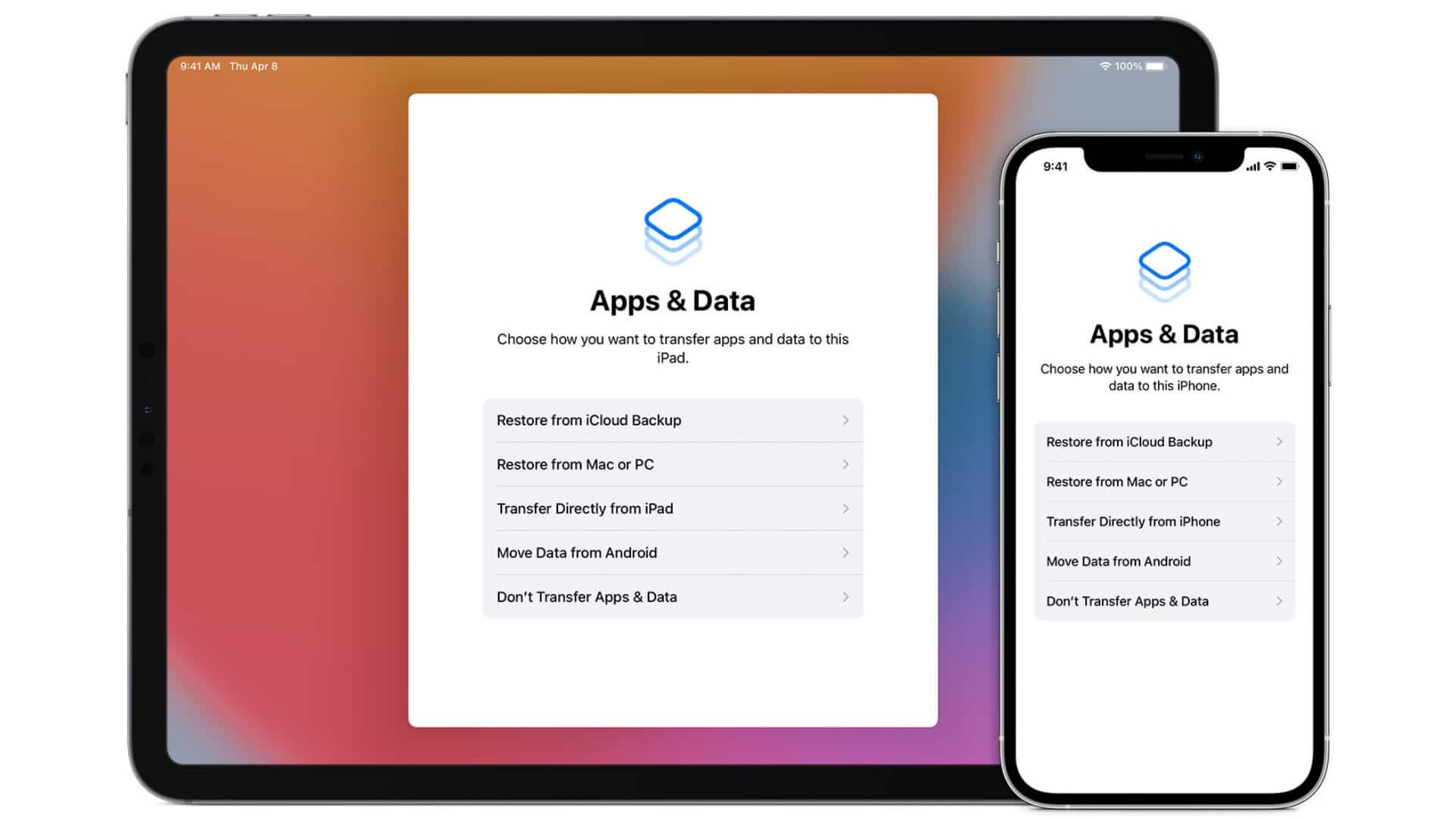
Quick answer: view iCloud backups online safely
You can view iCloud backups online only in a limited way. Apple lets you check which devices have iCloud Backup turned on, see backup storage, manage old backups, and delete backups. Apple does not let you browse the full contents of an iCloud Backup at iCloud.com.
If you need synced files or photos, use iCloud.com. If you need one message, one contact, one note, or one app file from an actual backup, use a local backup viewer or restore the backup to an iPhone. Restoring is the heavy option because Apple may require you to erase the current iPhone before restoring an iCloud backup.
Need | Best route | What you can see | Main limit |
|---|---|---|---|
Check if an iCloud Backup exists | iPhone Settings, Mac System Settings, or iCloud for Windows | Device name, storage, backup status, app backup size | No file-level browsing |
View iCloud-synced data online | iCloud.com | Photos, Drive files, Contacts, Calendar, Notes, Mail, Reminders | Only synced data, not the full backup archive |
View old backup metadata | Apple backup management screens | Device list, size, date where Apple shows it, delete options | No direct message/photo extraction |
View local iPhone backup files on PC | AltTunes or another backup viewer | Supported local backup categories for browsing/export | Needs local backup access and any encryption password |
Recover the whole old phone state | Restore from iCloud or computer backup | Full device state from that backup | Can replace current data |
Before we begin
Download AltTunes if you need to inspect a local iPhone or iPad backup on a Windows PC. It lets you work with local Apple-device backups and export specific data without restoring the entire device. iCloud.com can show synced data, but it cannot open every file stored inside an iCloud Backup.
Quick takeaways before you touch a backup
- iCloud Backup and iCloud.com are not the same thing.
- iCloud.com shows synced data. It is not a complete iCloud backup viewer.
- Apple backup management shows backup records, storage, and delete controls.
- Raw iPhone backup folders use internal databases and hashed files. Do not edit them by hand.
- AltTunes fits Windows users who want to browse or export local iPhone backup data without iTunes.
- A full iCloud restore is best when you want the whole old phone back, not one file.
What iCloud.com can show, and what iCloud Backup hides
The phrase "view iCloud backups online" causes trouble because Apple uses iCloud for several separate systems. They share the same Apple Account, but they store data in different ways.
Apple's iCloud Backup stores device information and settings that help restore an iPhone or iPad. Apple's iCloud apps sync live data such as Photos, Drive, Contacts, Notes, and Mail. Those synced apps are what you see at iCloud.com.
Apple feature | What it shows | What it does not show |
|---|---|---|
iCloud.com | Synced Photos, Drive files, Mail, Contacts, Calendar, Notes, Reminders, Find Devices | Complete iPhone backup contents |
iCloud Backup settings | Backup status, device list, app backup size, storage controls | A folder-style view of messages, app files, and databases |
iCloud Drive | Files saved or synced to iCloud Drive | Hidden app backup databases and device settings |
iCloud Photos | Photos and videos synced through iCloud Photos | Photos stored only in a device backup when iCloud Photos was off |
Local computer backup | A backup record inside Finder, Apple Devices, or iTunes | Human-readable files without a backup viewer |
Apple's own iCloud Backup guide says iCloud Backup includes information and settings not already stored in iCloud. That is the core point. If a photo already syncs through iCloud Photos, it is not treated the same way as a photo stored only inside a device backup.
So if a page says you can sign in to iCloud.com and open a full iCloud Backup archive like a normal folder, be careful. Apple documents backup management. It does not document a full iCloud.com backup browser.
Think of iCloud.com as a window into synced iCloud apps. Think of iCloud Backup as a restore package. Those are different jobs.
How to view old iCloud backups by device, date, and size
Apple does let you view and manage iCloud device backups at the management level. That means you can check which devices have backups, review storage use, see app backup details in some screens, and delete old backups.
Check iCloud backups on iPhone or iPad
- Open Settings.
- Tap your name.
- Tap iCloud.
- Tap iCloud Backup.
- Select the device backup if Apple shows more than one.
- Review backup status, last backup information, storage, and app backup settings.
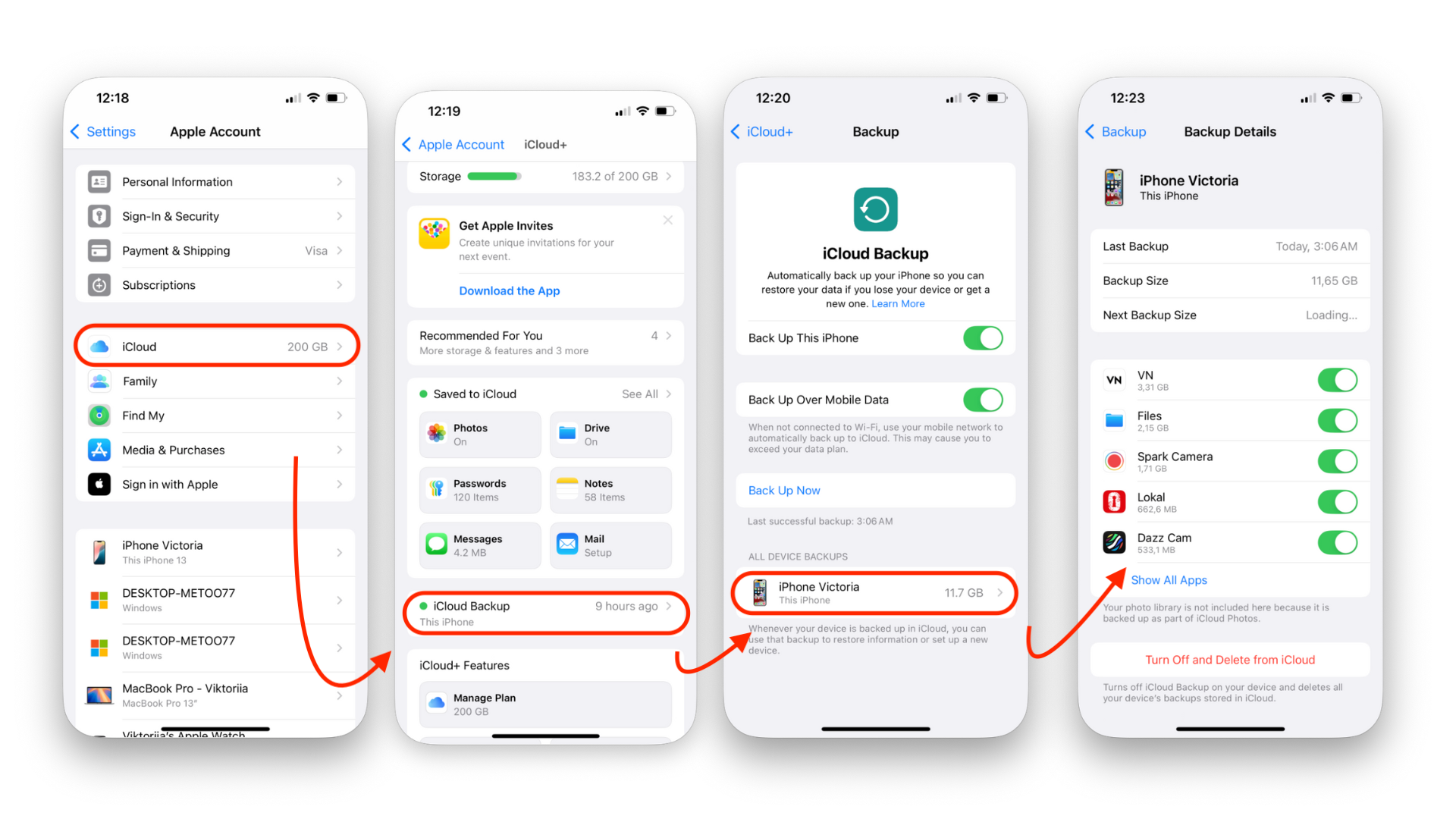
This is the safest first stop. It tells you whether backup is on and whether your current device has a usable backup. It does not let you open every backup item.
If you are trying to reduce iCloud storage, slow down before deleting anything. Apple warns that deleting a backup can also turn off iCloud Backup for that device. Apple also says stored iCloud backups are kept for 180 days after iCloud Backup is turned off for a device.
How to view iCloud data at iCloud.com
Use iCloud.com when your goal is synced data, not a full backup archive. This is the right place for iCloud Photos, iCloud Drive, Notes, Contacts, Calendar, Mail, Reminders, Pages, Numbers, Keynote, and Find Devices.
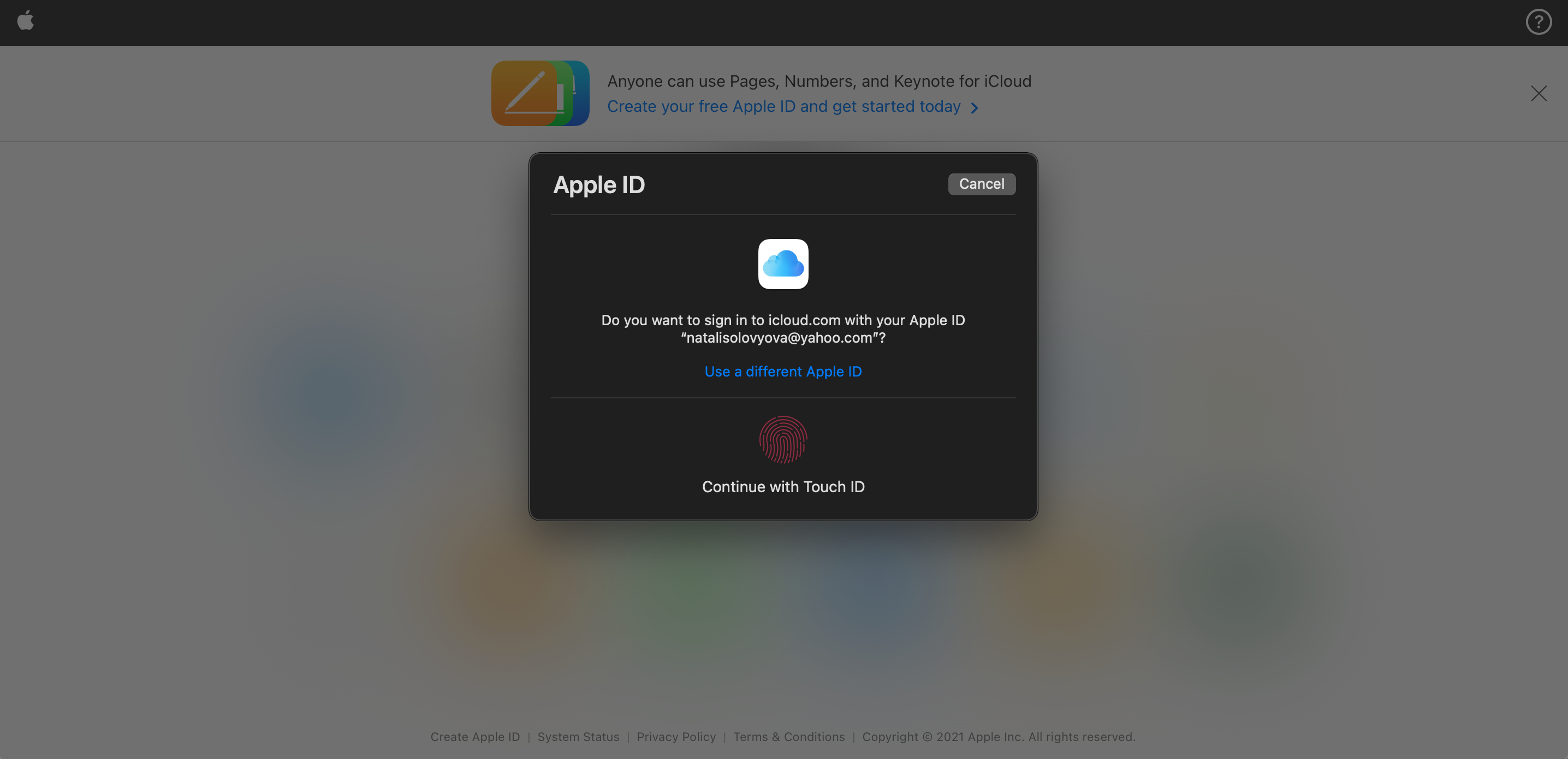
- Go to iCloud.com.
- Sign in with your Apple Account.
- Open the app that matches the data you need.
- Download, copy, or export the item if Apple exposes that option.
This works well when iCloud sync was enabled before you lost the item. It does not help if the item exists only inside an iCloud Backup and Apple has no separate synced copy available.
Messages are a good example. If Messages in iCloud was enabled, messages sync outside the normal iCloud Backup flow. If it was off, the message thread may exist only inside a device backup. Then you need a restore or a backup viewer that can read a local backup copy.
How to access iCloud backup settings on Mac
On Mac, Apple lets you manage iCloud device backups from System Settings. Again, this is backup management, not file browsing.
- Open Apple menu > System Settings.
- Click your name in the sidebar.
- Click iCloud.
- Click Manage.
- Click Backups.
- Select a device backup to review or delete it.
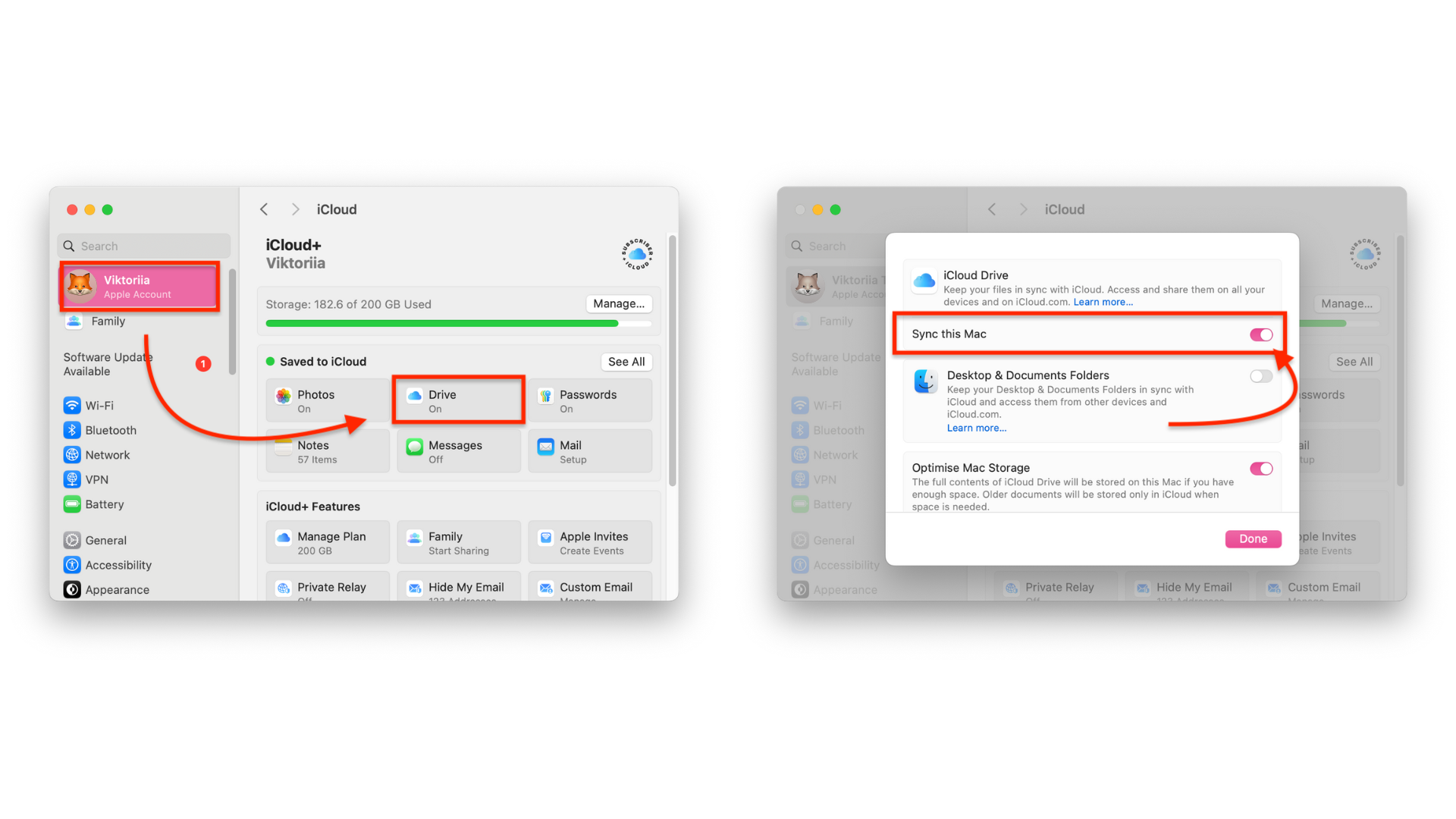
For iCloud Drive files, open Finder and choose iCloud Drive in the sidebar. That shows normal synced iCloud Drive files only. It will not reveal the hidden contents of an iPhone backup.
If your goal is to restore an old iPhone backup, use Apple's restore flow instead of poking around in folders. If your goal is to recover one item, do not restore yet. A local backup viewer is safer for selective browsing.
How to view iCloud backups online on Windows PC
Windows users have 2 separate Apple routes in 2026: iCloud for Windows for synced data and storage management, and Apple Devices or iTunes for local backup work.
Use iCloud for Windows when you want synced iCloud Drive, Photos, Mail, Contacts, Calendars, bookmarks, or iCloud storage controls. Use Apple Devices or iTunes when you need local device backup, restore, or sync controls.
Check synced iCloud data on Windows
- Install iCloud for Windows from the Microsoft Store.
- Sign in with your Apple Account.
- Choose the iCloud data types you want to sync.
- Open File Explorer.
- Check iCloud Drive or iCloud Photos folders.
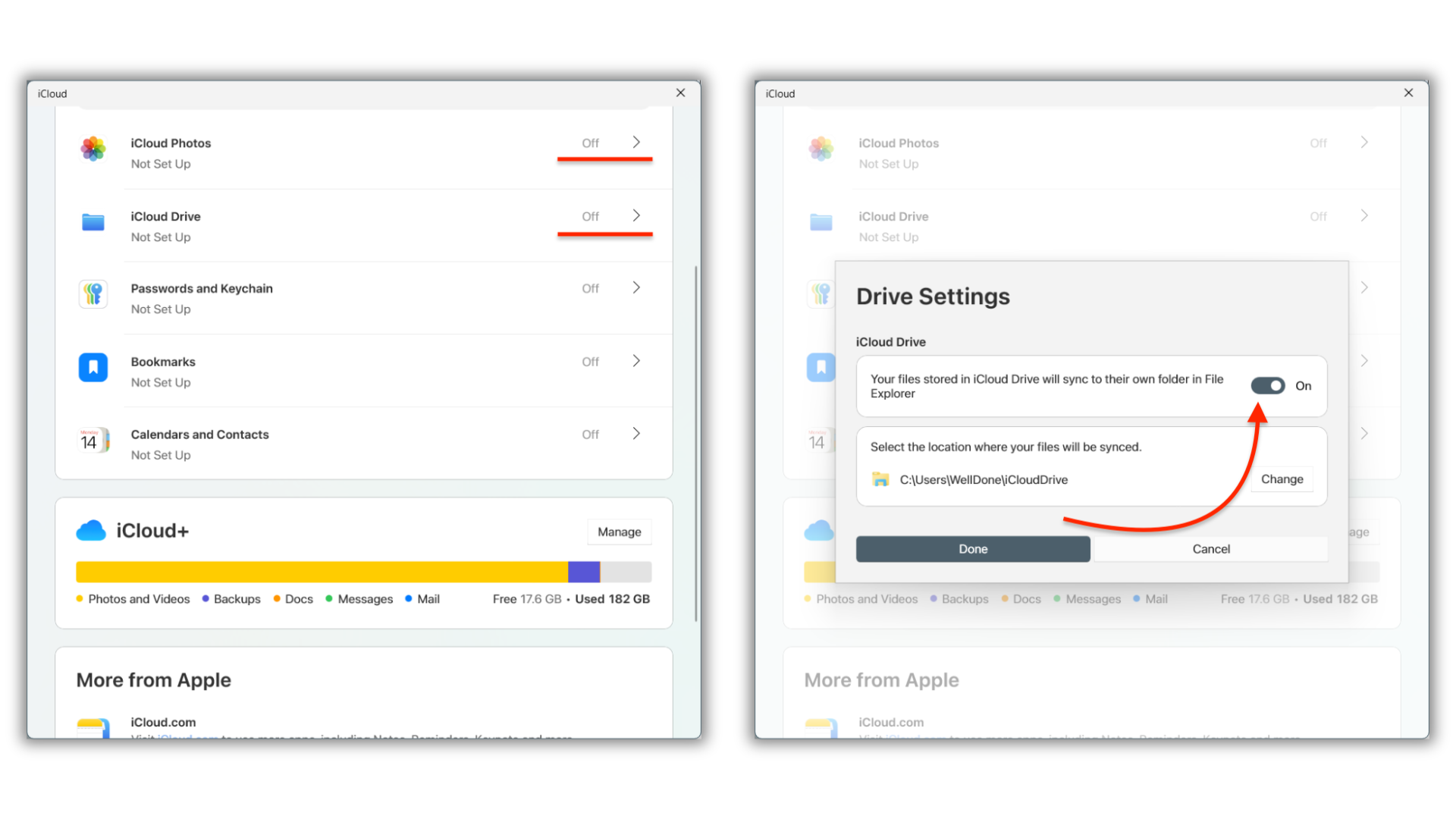
iCloud for Windows can help you manage iCloud storage and access synced iCloud data. It is not a full remote iCloud backup extractor.
If your real query is "view iCloud backups online on PC," separate the jobs. iCloud.com and iCloud for Windows can show synced data. They cannot browse every hidden backup database. For selected backup contents, create or open a local backup and use a viewer.
Where local iPhone backup files live on Mac and Windows
Sometimes you only need to find the local backup folder. Maybe you are moving a backup, checking whether one exists, or pointing a backup extractor to the right place.
Use these paths carefully. Raw iPhone backup files are not meant for manual editing.
Important: Do not rename, move, edit, or delete individual files inside a raw iPhone backup folder. Apple backups use internal databases and hashed file names. Manual changes can damage the backup.
iPhone backup location on Mac
Apple lists this local backup folder for Mac:
~/Library/Application Support/MobileSync/Backup/
To open it:
- Open Finder.
- Click Go in the menu bar.
- Click Go to Folder.
- Paste ~/Library/Application Support/MobileSync/Backup/.
- Press Return.
iPhone backup location on Windows
Apple's current Windows backup path depends on whether you use Apple Devices, Microsoft Store iTunes, or older iTunes.
For older iTunes installs, the classic path is usually:
C:\Users\[your username]\AppData\Roaming\Apple Computer\MobileSync\Backup\
Some Microsoft Store installs use:
C:\Users\[your username]\Apple\MobileSync\Backup\
If AppData is hidden, open File Explorer and turn on Hidden items. Then go back to your user folder and check AppData.
How to view iPhone backup files on PC with AltTunes
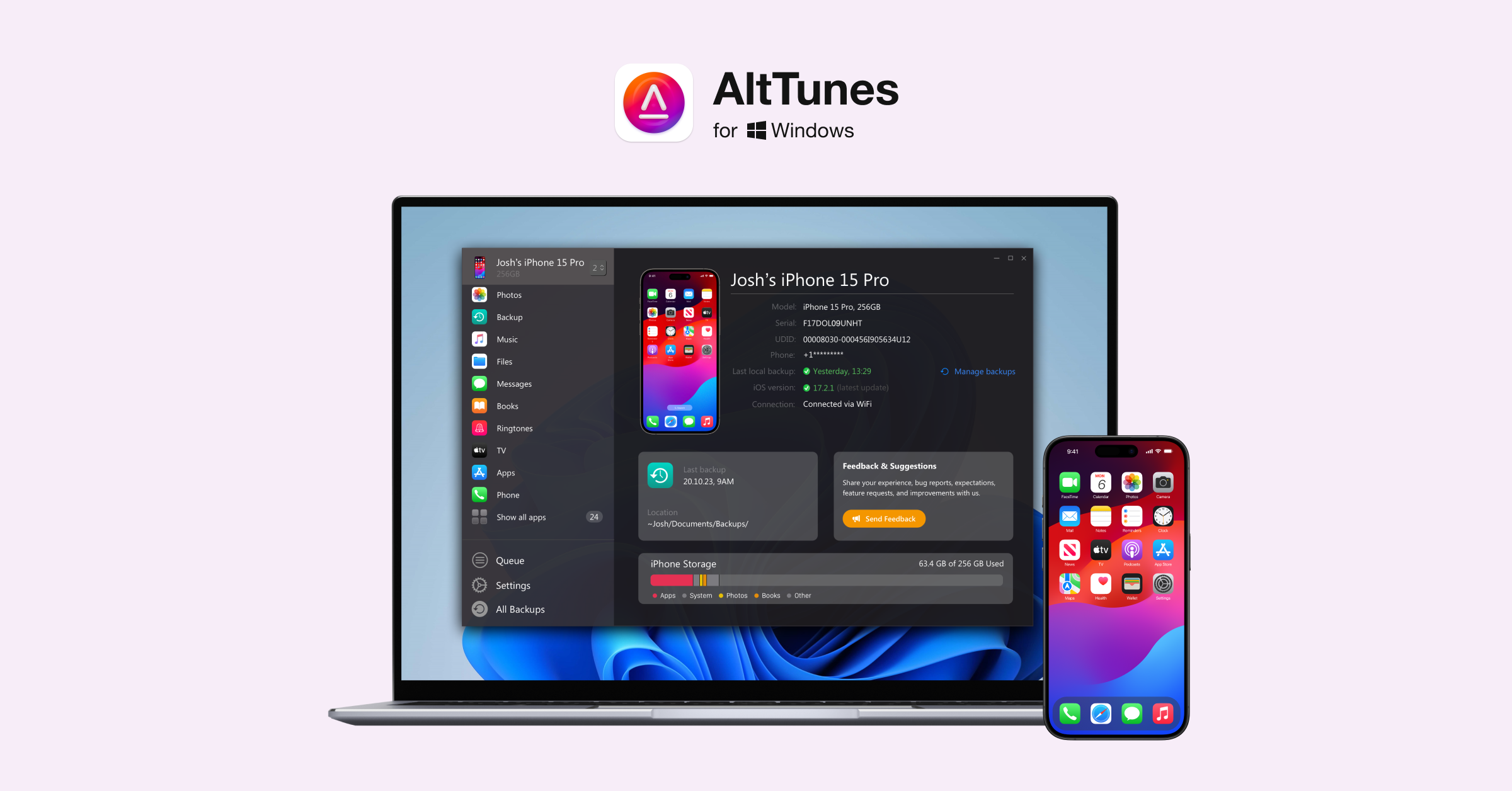
AltTunes is Softorino's iPhone manager for Windows. It fits the part Apple leaves awkward: local iPhone backup browsing, export, and device data management on a Windows PC.
AltTunes is not iCloud.com. Do not treat it as a remote Apple-server backup browser. Use it when you can connect an iPhone, create or access a local backup, and browse supported local data categories.
What AltTunes can help with
AltTunes can help Windows users with these jobs:
- Local iPhone or iPad backup to a Windows PC or external drive.
- Custom storage location for local backup data.
- Supported iPhone data categories for review and export.
- Old local backups where supported.
- Photos, music, contacts, messages, videos, notes, files, call history, voice memos, and app data where available.
- A cleaner route than the old iTunes-on-Windows maze.
AltTunes works on Windows 10 and Windows 11. Softorino's product page also shows an iOS 18 compatibility signal. The first connection still needs the normal Apple trust flow: connect the device, unlock it, and tap Trust This Computer if iOS asks.
Steps to view local backup data with AltTunes
Use this workflow if you are on Windows and need selected backup data. Step 1: connect and trust the iPhone. Step 2: create or open the local backup. Step 3: choose the data category and export what you need.
- Install AltTunes for Windows.
- Launch AltTunes.
- Connect your iPhone or iPad with a data-capable cable.
- Unlock the device.
- Tap Trust This Computer if iOS asks.
- Create a local backup or select an existing local backup.
- Choose the data category you want to view or export.
- Save selected files to your PC if needed.
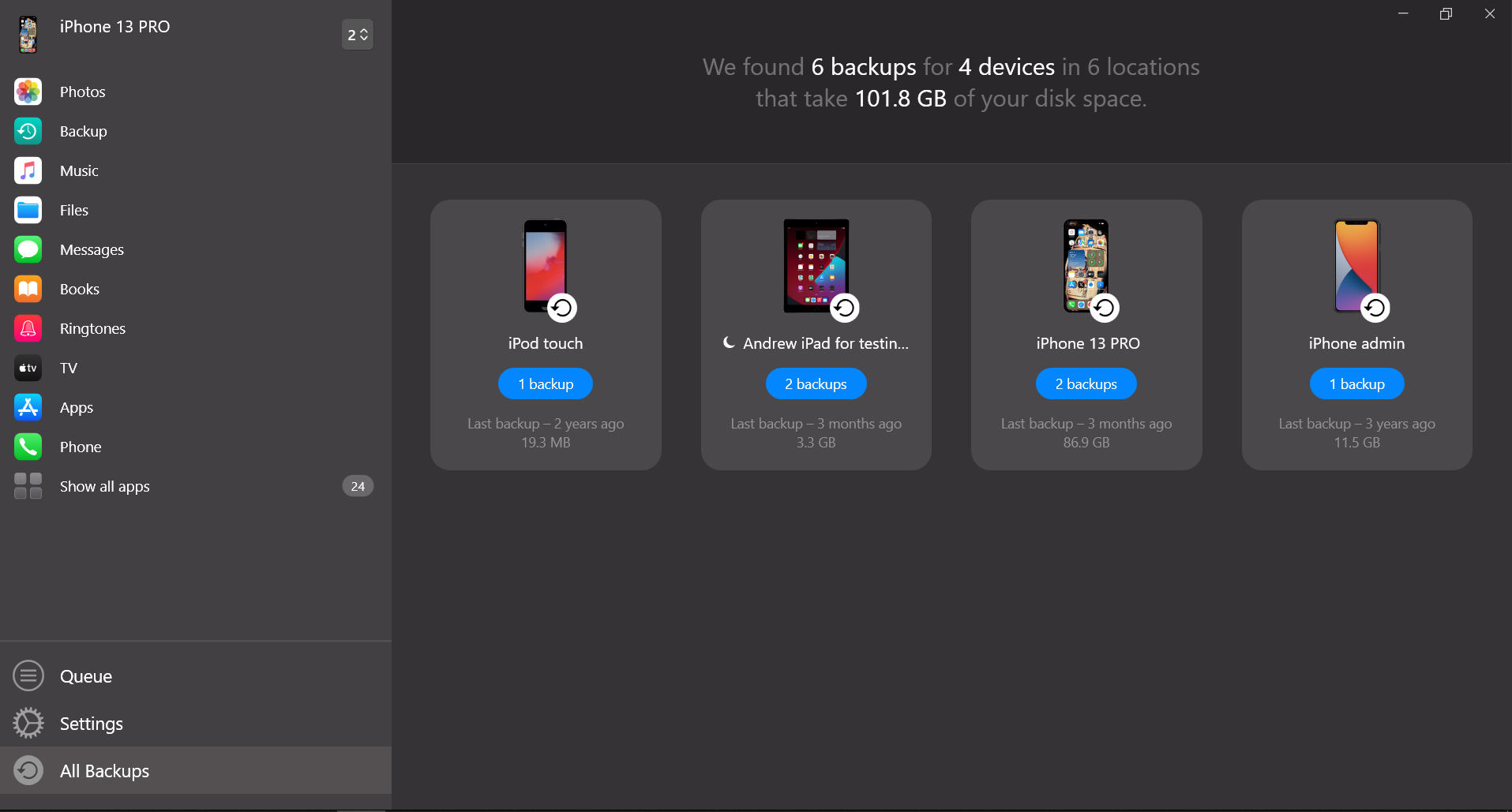
If AltTunes created the backup, it can find that backup again. If another app created the backup, point AltTunes to the folder where that app stored it.
Try AltTunes when your real problem is "I need selected iPhone backup data on my Windows PC." If you only need to check whether an iCloud Backup exists, Apple's settings screens are enough.
Can you view iCloud backup contents without restoring?
You cannot browse complete iCloud Backup contents at iCloud.com without restoring. Apple built iCloud Backup for device recovery, not casual file browsing.
You have 3 practical options:
- Use iCloud.com for synced data such as Photos, Drive, Notes, Contacts, and Mail.
- Restore the whole iCloud Backup to an iPhone if you need the old device state back.
- Use a local backup viewer if you can create or access a local computer backup and need selected files.
The one-file case is where people get burned. If you only need one message thread, one contact, or a few photos, restoring the entire iPhone is often too much. A restore can overwrite the current state of the device with the older backup state.
Apple's restore guide says that if your device is already set up, you need to erase all content before restoring from an iCloud Backup. That is fine when you are setting up a replacement phone. It is a bad surprise when you only wanted one deleted conversation.
How encrypted iPhone backups work
Encrypted local backups can include more sensitive data than unencrypted backups. Apple marks encrypted computer backups with a lock icon.
Encryption is good. Losing the password is not.
If a local backup is encrypted, backup viewers still need the backup password to read protected contents. No safe iPhone backup extractor can magically bypass a lost encrypted backup password. If a tool promises that, be skeptical.
Use a password manager. Keep the backup password somewhere you control. Future you will be less annoyed.
Restore from iCloud Backup vs extract one file
Use a restore when you want the whole old iPhone state back. Use a backup viewer when you need selected data.
Situation | Use restore? | Use backup viewer? | Why |
|---|---|---|---|
Setting up a replacement iPhone | Yes | Maybe | Restore brings back the full device state |
Recovering one message thread | Usually no | Yes | A full restore is too heavy for one category |
Checking if backup exists | No | No | Apple Settings or iCloud for Windows can show this |
Exporting local backup data on Windows | No | Yes | AltTunes fits selective local export |
Moving synced iCloud Drive files | No | No | iCloud.com or iCloud Drive already shows them |
The safest rule is simple: do not restore until you know what the restore will replace. If you are unsure, preserve the current device first, then decide.
How iPhone backup viewers compare
Do not pick a backup tool by the loudest homepage. Pick it by backup type, platform, and the exact data you need.
Tool or route | Best for | Local backups | iCloud Backup contents | Selective export | Main limit |
|---|---|---|---|---|---|
Apple Settings / iCloud | Checking backup status and storage | No | Manage only | No | No file-level browser |
iCloud.com | Synced photos, files, contacts, notes | No | Synced data only | Limited to synced apps | Not a full iCloud Backup viewer |
Finder / Apple Devices / iTunes | Creating, archiving, deleting, restoring local backups | Yes | No | No | Restore-focused, not browse-focused |
AltTunes | Windows local iPhone backup and export | Yes | Do not assume remote extraction | Yes, for supported local data | Windows only |
iMazing | Broad Mac/Windows backup browsing | Yes | Depends on feature and version | Yes | More complex for simple exports |
CopyTrans | Windows extraction workflows | Yes | Some iCloud-focused workflows | Yes | Split across multiple tools |
Reincubate iPhone Backup Extractor | Recovery-focused backup extraction | Yes | Claims iCloud support | Yes | Recovery-first, not device-management-first |
No competitor link needed. Apple is best for official backup management and full restore. A backup viewer is best for selective browsing. AltTunes is Softorino's focused Windows route for local backup and export work.
How to locate backups from iTunes or older apps
Older iTunes backups usually live in the MobileSync folder on Windows. They do not appear as normal iCloud folders.
C:\Users\[your username]\AppData\Roaming\Apple Computer\MobileSync\Backup\
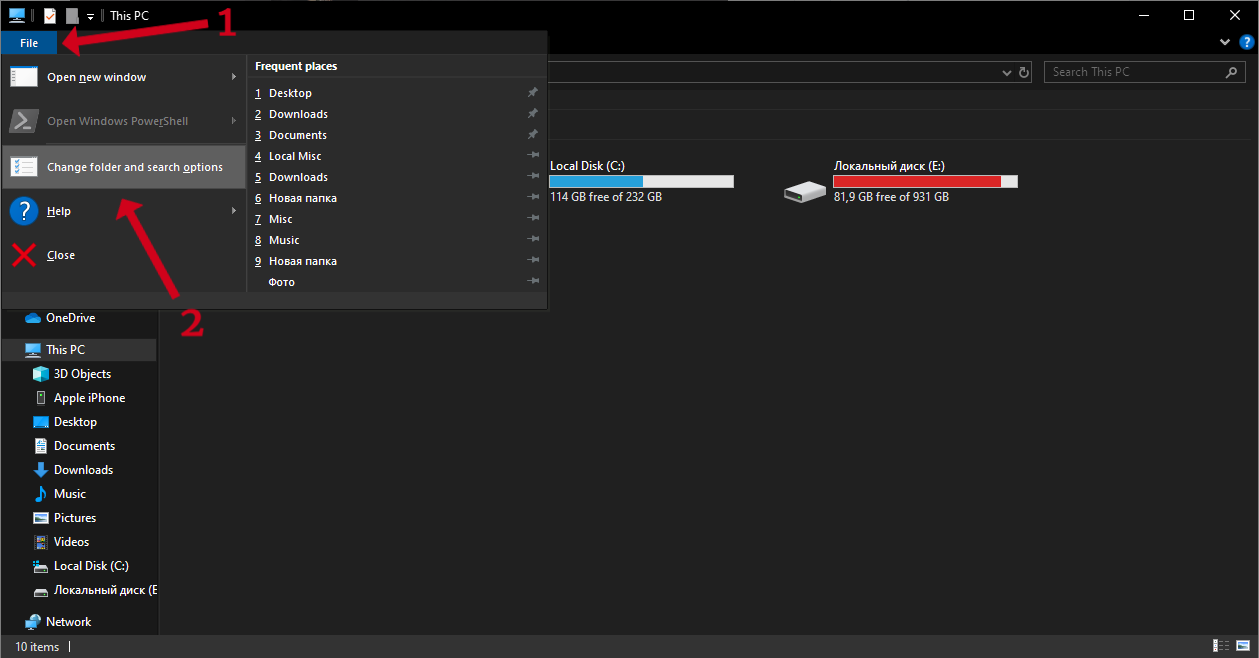
If AppData is hidden:
- Open File Explorer.
- Click View.
- Turn on Hidden items.
- Go back to your user folder.
- Open AppData > Roaming > Apple Computer > MobileSync > Backup.
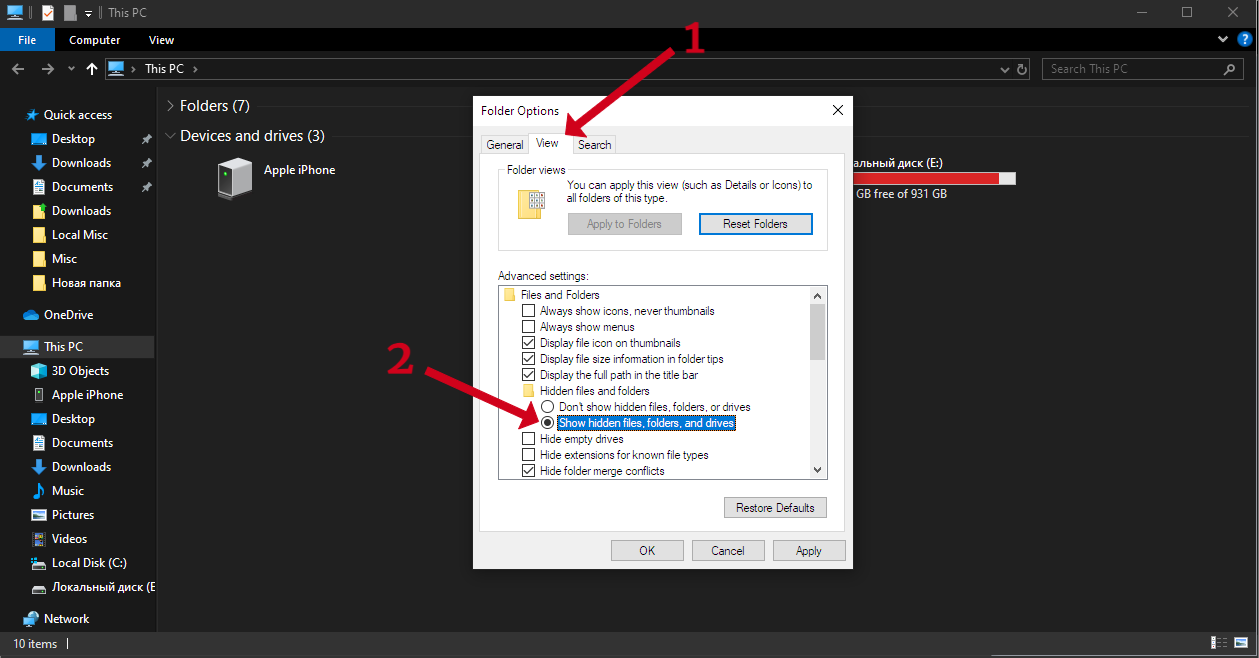
Once you find the backup folder, open it through AltTunes or another backup viewer. Do not open random hashed files and start deleting things. That is how backups die.
Bottom line
You can view iCloud backups online only at the management level. Apple shows backup records and synced iCloud data. It does not let you browse a complete iPhone backup archive inside iCloud.com.
If you need backup status, use Apple Settings, Mac System Settings, iCloud for Windows, Finder, Apple Devices, or iTunes. If you need synced photos, notes, contacts, files, or mail, use iCloud.com.
If you need selected backup contents without restoring the whole iPhone, use a backup viewer. For Windows users who want local iPhone backup browsing, export, and file management without iTunes, try AltTunes.
If you want a broader comparison, see Softorino's guide to iPhone backup extractors. If you need a local backup first, read how to back up iPhone without iCloud. If you already chose the full-restore path, use the guide to restore iPhone from backup.
FAQ
Is there a way to view old iCloud backups?
Yes. You can view old iCloud backups at the management level through iPhone, iPad, Mac, or iCloud for Windows flows. Apple can show backup records, storage, and device backup controls. It does not open each old iCloud Backup as a browsable folder of files.
Can you view the contents of an iCloud backup?
Not directly at iCloud.com. iCloud.com shows synced iCloud data, such as Photos, Drive, Contacts, Calendar, Notes, and Mail. A complete iCloud Backup is mainly for restore. To inspect selected backup contents, use a local backup viewer or restore the backup to a device.
How do I access my iCloud backups?
On iPhone or iPad, go to Settings > your name > iCloud > iCloud Backup. On Mac, use System Settings > your name > iCloud > Manage > Backups. On Windows, use iCloud for Windows for storage and synced data, and Apple Devices or iTunes for local backups.
Can I view iPhone backup files on PC?
Yes, if you mean local computer backups. Windows can show the backup folder, but the raw files are not human-readable. Use Apple Devices or iTunes to manage backups. Use AltTunes when you want to browse or export supported local iPhone backup data on Windows.
Can I view iCloud backup photos online?
You can view photos online at iCloud.com if iCloud Photos was enabled and the photos synced there. If iCloud Photos was off and the photos exist only inside an iCloud Backup, iCloud.com will not show them as normal photos. You need restore or backup extraction.
What happens if I delete an iCloud backup?
Deleting an iCloud backup removes that stored backup and can turn off automatic iCloud Backup for that device. Apple says backups are kept for 180 days after iCloud Backup is turned off for a device. Do not delete a backup until you know you no longer need it.
Do I need an iPhone backup extractor?
You need an iPhone backup extractor only when you want selected data from a backup without restoring the whole iPhone. You do not need one to check backup status, see synced iCloud data, or restore an entire backup to a replacement iPhone.
Can AltTunes view remote iCloud backups online?
Do not assume that. AltTunes is a Windows iPhone manager for local backup, export, and device data workflows. Use it when you can connect an iPhone or access a local backup. Use Apple tools for iCloud backup management and synced iCloud data.

AltTunes
Seamlessly Browse, Manage & Export iOS Data
