How to Encrypt iPhone Backup on Mac or Windows

If you want a local iPhone backup that includes more of your private data, turn on encrypted backups before you back up. The short version: connect your iPhone, open Finder on Mac or Apple Devices on Windows, choose local backup to this computer, check Encrypt local backup, set a password, then make the backup.
That password matters. If you forget it, Apple cannot unlock your old encrypted backup. You can reset the backup password later so future backups work, but the old locked backup stays locked.
This guide shows how to encrypt iPhone backup files on Mac, Windows, and older iTunes setups. It also explains what encrypted iPhone backups include, how to verify the lock icon, how to turn encryption off, and where AltTunes helps Windows users manage backups without wrestling with iTunes.
What does an encrypted iPhone backup mean?
An encrypted iPhone backup is a local backup protected by a password. You store it on a Mac or Windows PC, and you need the password to restore from it or browse its protected contents.
Apple says encrypted backups can include data that regular local backups leave out, including saved passwords, Wi-Fi settings, website history, Health data, and call history. That makes backup encryption useful if you want a more complete restore after you replace, reset, or lose an iPhone.
Encrypted local backup is not the same thing as iCloud backup. iCloud backup lives in Apple's cloud. Local backup lives on your computer. iCloud Advanced Data Protection is another separate Apple security feature for iCloud data.
If you forget the encrypted backup password, you cannot restore that old encrypted backup. Save the password in a password manager before you click Back Up Now.
#warning
How to encrypt iPhone backup on Mac with Finder
Use Finder if your Mac runs macOS Catalina or newer. Apple moved iPhone management out of iTunes years ago, so Finder is now the normal Mac path.
Do not treat this like a throwaway login. Use a unique password and save it somewhere safe. A local backup password is boring right until you need it.
- Connect your iPhone to your Mac with a USB cable.
- Unlock your iPhone and tap Trust This Computer if iOS asks.
- Open Finder.
- Select your iPhone in the Finder sidebar.
- Go to the General tab.
- Under Backups, choose Back up all of the data on your iPhone to this Mac.
- Check Encrypt local backup.
- Enter a strong password you will remember.
- Click Set Password.
- Click Back Up Now.
How to encrypt iPhone backup on Windows
Windows users now have 2 Apple paths: the Apple Devices app or iTunes. Use Apple Devices first if it is available on your PC. Use iTunes only if you are on an older setup or Apple Devices is not an option.
Option 1: Use Apple Devices on Windows
Apple Devices gives Windows users the modern Apple path without forcing the whole old iTunes experience.
- Install or open the Apple Devices app from Microsoft Store.
- Connect your iPhone with a USB cable.
- Unlock the iPhone and trust the computer.
- Select your iPhone in Apple Devices.
- Open the backup section.
- Choose the local backup option for this computer.
- Turn on Encrypt local backup.
- Create and confirm the password.
- Start the backup.
Option 2: Use iTunes on older Windows setups
This still works, but iTunes on Windows has never been anyone's idea of a good afternoon. If you only need backup and export controls, a cleaner iPhone manager can save time.
- Open iTunes.
- Connect your iPhone with a USB cable.
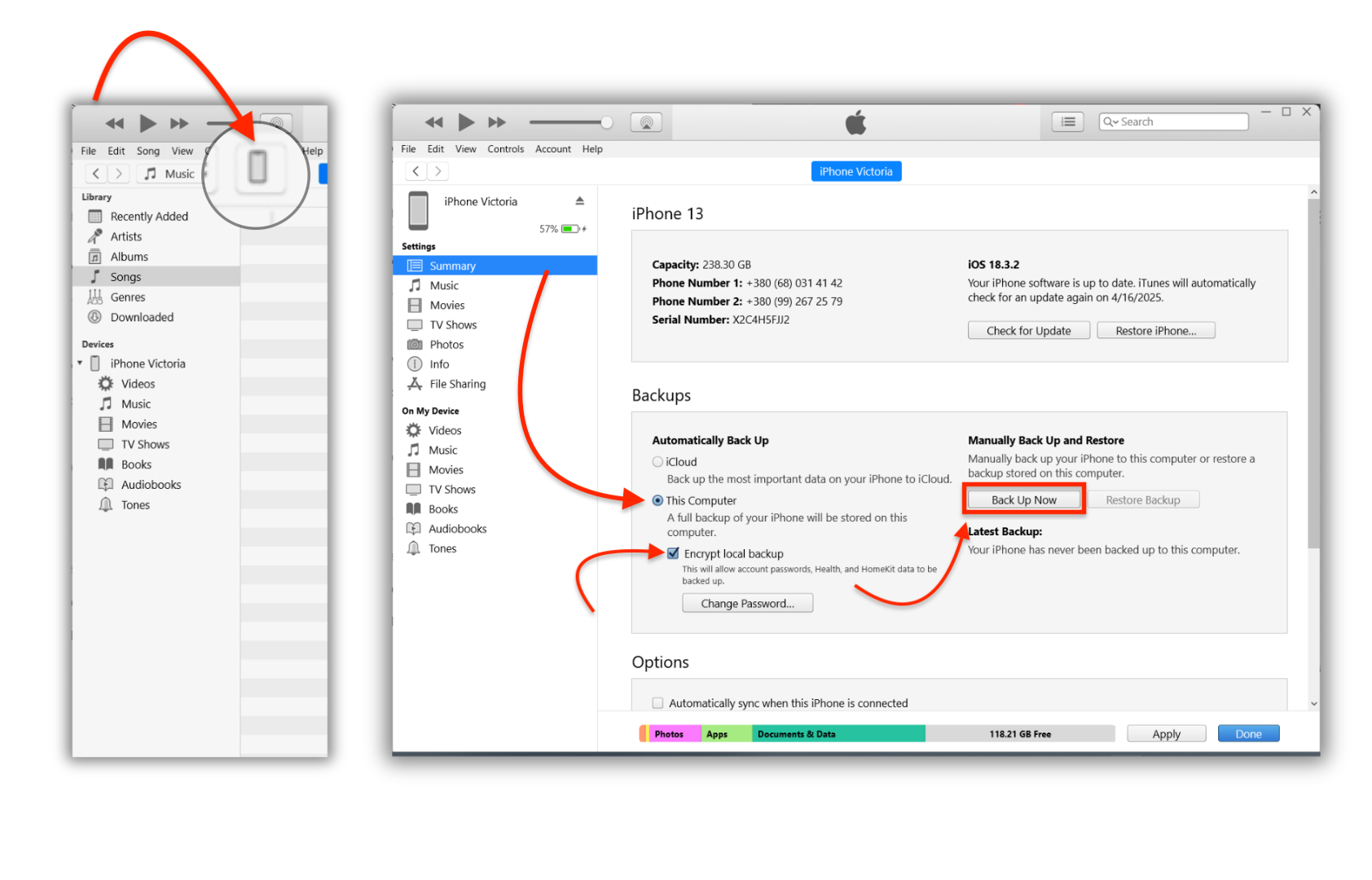
- Click the iPhone icon when it appears.
- Open the Summary page.
- Under Backups, check Encrypt local backup or Encrypt iPhone backup.
- Enter a password you can keep.
- Click Back Up Now.
How to verify your iPhone backup is encrypted
Do not assume the backup is encrypted because the checkbox was on. Check it.
On Mac, open Finder, select your iPhone, and go to Manage Backups. On Windows, use Apple Devices or iTunes and open the backup management area. Apple marks encrypted backups with a lock icon next to the device name and backup date.
If you see the lock, the backup is encrypted. If you do not see it, make a new encrypted backup before you rely on it.
How AltTunes helps Windows users manage iPhone backups
AltTunes is an iPhone file manager for Windows. It helps you back up an iPhone over USB, browse backup data, and export files such as photos, music, messages, contacts, videos, and other iPhone content to your PC.
AltTunes is useful when Apple's tools feel too cramped. You still need the password for encrypted backups. AltTunes does not bypass Apple's encryption rules, and no legitimate tool should promise that.
What AltTunes can do is make the Windows side less painful:
- Back up your iPhone to your PC over USB.
- Export photos, music, messages, contacts, videos, and files.
- Browse backup data when you have the required password.
- Convert HEIC photos to JPG during export.
- Move iPhone data without using iTunes for every small task.
How to back up your iPhone with AltTunes
AltTunes works on Windows. Install it on your PC, connect your iPhone, and keep the phone unlocked while the app reads the device.
Step 1. Install AltTunes on your PC
Download AltTunes, install it, and connect your iPhone with a USB cable. Tap Trust This Computer on your iPhone if iOS asks.
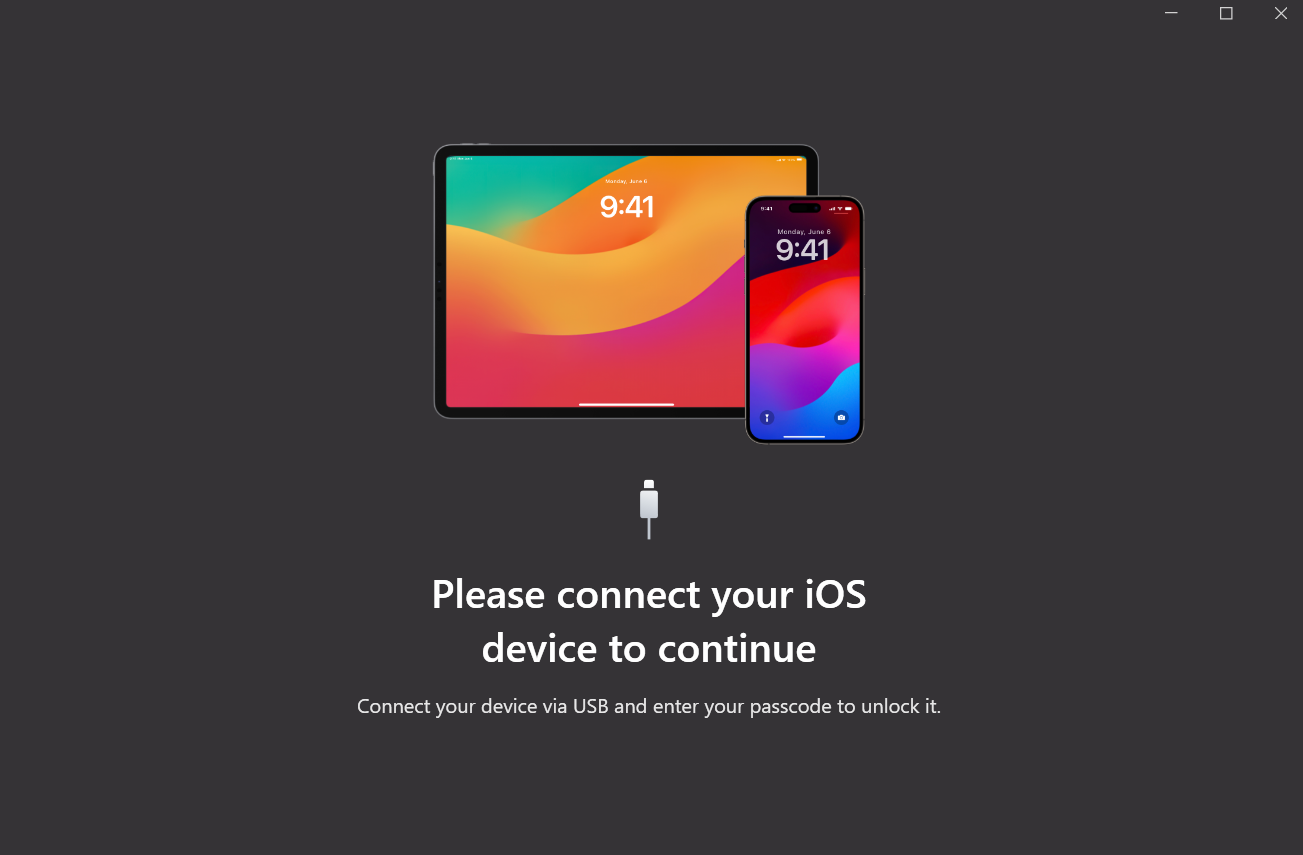
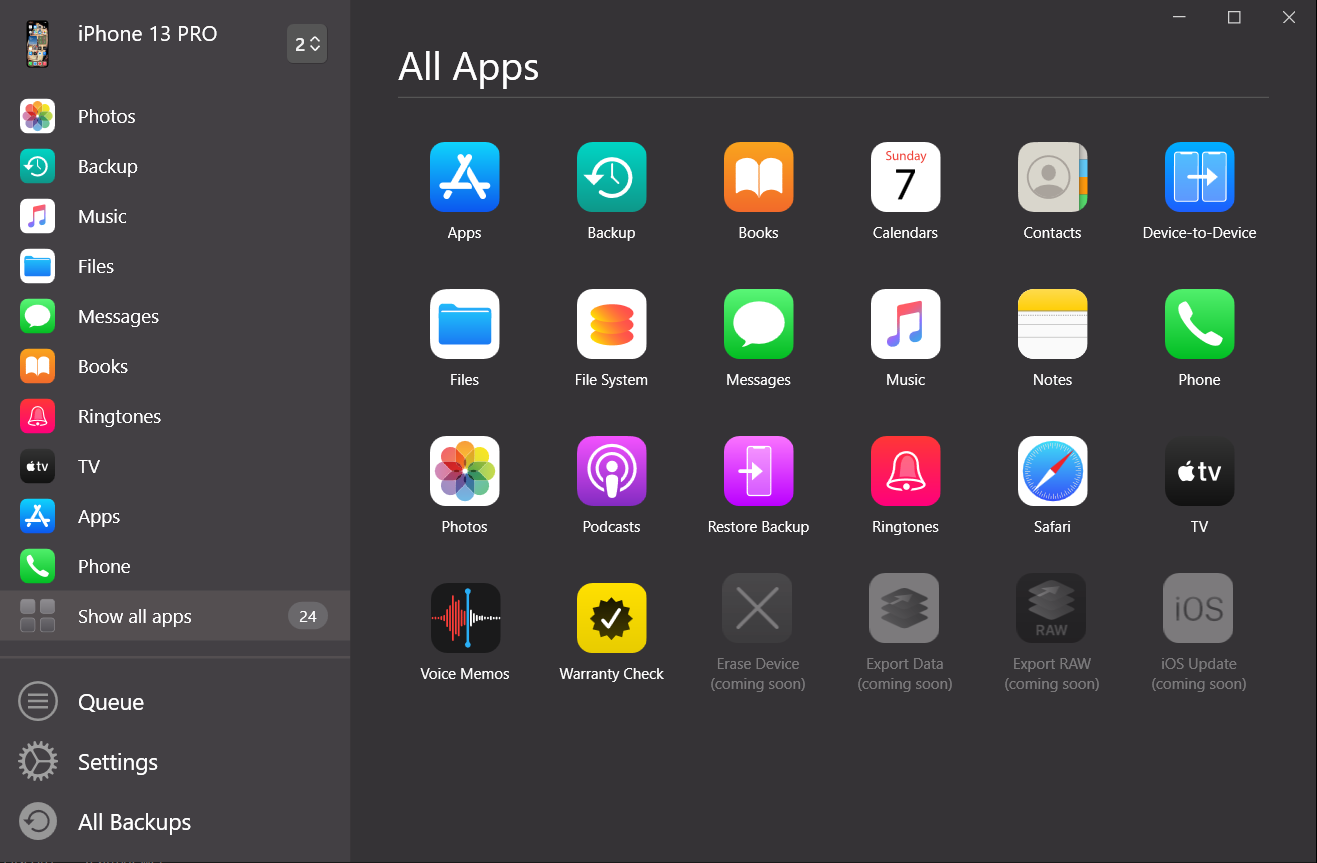
AltTunes will show your iPhone in the app. From there, you can manage backups and export device data without digging through iTunes menus.
Step 2. Open Backups
Choose Backups from the AltTunes sidebar. This section handles iPhone backup actions and backup browsing.
Step 3. Choose a safe password
Pick a password you can keep. Use a password manager if you have one. If the backup is encrypted and you lose the password, you lose access to that encrypted backup.
Choose the backup location on your PC, then start the backup.
Step 4. Wait for the backup to finish
Backup time depends on how much data sits on your iPhone. Keep the iPhone connected until AltTunes reports success.
AltTunes is best for Windows users who want easier iPhone backup and export controls. Use Finder on Mac. Use Apple Devices or iTunes when you want Apple's native backup path.
What encrypted iPhone backups include
Encrypted backups are worth using because they can restore sensitive data that standard local backups may skip.
Apple's encrypted local backups can include:
They do not include everything. Apple says local backups do not include Face ID, Touch ID, or the device passcode. Some cloud-synced data may also live in iCloud rather than inside the local backup.
If your goal is a safer full-device restore, encrypted local backup is the right choice. If your goal is cloud protection, check iCloud settings and Advanced Data Protection separately.
- Saved passwords.
- Wi-Fi settings.
- Website history.
- Health data.
- Call history.
How to extract files from an encrypted iPhone backup with AltTunes
If you know the encrypted backup password, AltTunes can help you browse and export selected backup data on Windows. This is useful when you need one set of files instead of a full restore.
Step 1. Connect your iPhone to your PC
Connect the iPhone with USB and tap Trust This Computer. AltTunes will detect the device and show the available management options.
Step 2. Select the backup and enter the password
Open the backup you want to browse. If the backup is encrypted, enter its password when AltTunes asks.
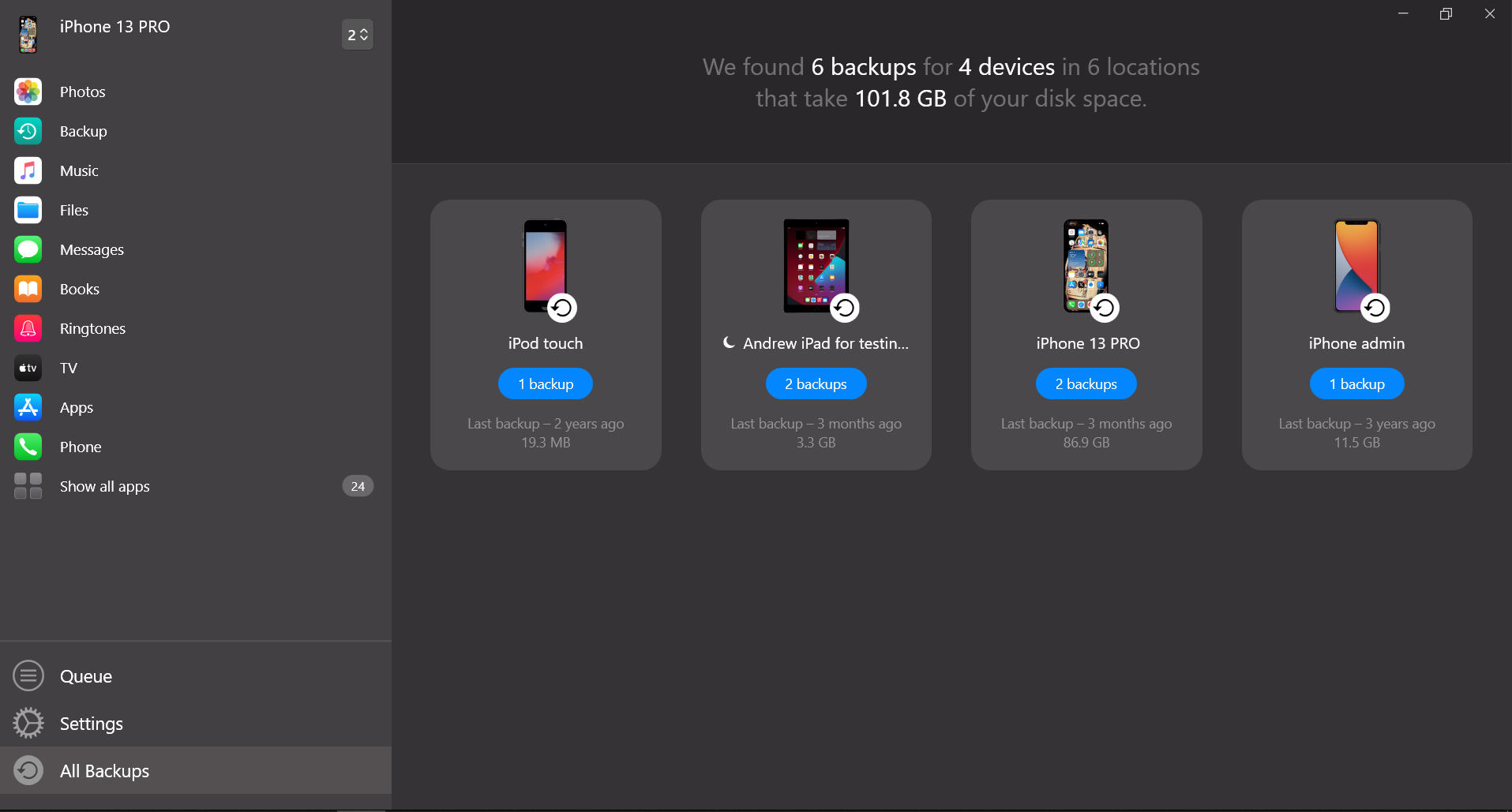
Step 3. Choose files and export them
Select the files or folders you need, choose a destination on your PC, and export them. This is cleaner than restoring an entire iPhone just to recover a few items.
If you also need external storage, read our guide on how to back up iPhone to external drive.
What to do if you forgot your iPhone backup password
If you forgot the password for an old encrypted backup, you cannot restore that backup. Apple cannot recover it for you.
You still have a few options:
Resetting the password does not unlock old encrypted backups. It only lets you create new encrypted backups with a new password.
- Try passwords you may have used when you created the backup.
- Check your password manager or Mac Keychain if you saved it there.
- Use an iCloud backup if you have one.
- Reset the encrypted backup password so you can make a new encrypted backup.
How to turn off iPhone backup encryption
If you know the password, turn backup encryption off from the same app you used to make the backup.
On Mac:
On Windows:
- Connect your iPhone.
- Open Finder and select the iPhone.
- Uncheck Encrypt local backup.
- Enter the backup password.
- Open Apple Devices or iTunes.
- Select your iPhone.
- Uncheck Encrypt local backup or Encrypt iPhone backup.
- Enter the password.
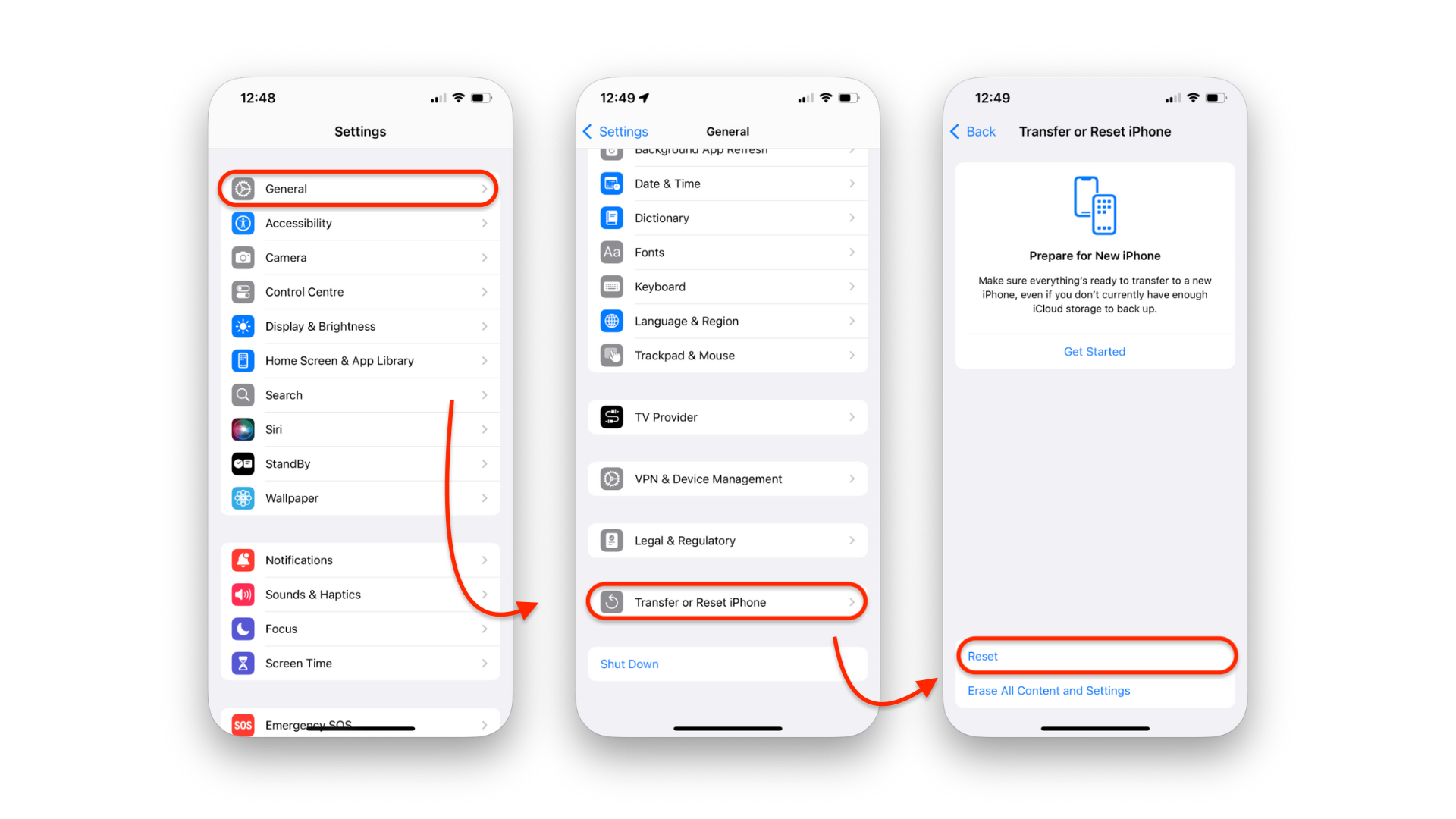
If you forgot the password, reset it on the iPhone instead:
This resets settings such as your Home Screen layout, Wi-Fi passwords, and Apple Pay cards. It does not delete your photos, apps, or other personal data. After that, connect the iPhone again and create a new encrypted backup password.
- Open Settings.
- Go to General.
- Tap Transfer or Reset iPhone.
- Tap Reset.
- Tap Reset All Settings.
Extra iPhone security tips before you back up
Backup encryption protects the backup file. It does not replace normal iPhone security.
Use these basics too:
You do not need to make this complicated. Use a strong passcode, encrypt local backups, save the backup password, and keep at least one recent backup you can trust.
- Use a strong alphanumeric iPhone passcode.
- Turn on two-factor authentication for your Apple Account.
- Keep iOS updated.
- Avoid sensitive work on public Wi-Fi unless you trust your VPN.
- Turn on Erase Data if you want the iPhone to wipe after 10 failed passcode attempts.
Should you use Finder, Apple Devices, iTunes, or AltTunes?
Use Finder if you are on Mac. Use Apple Devices if you are on a modern Windows PC and want Apple's native backup path. Use iTunes only if your setup still depends on it.
Use AltTunes if you are on Windows and want easier backup management, selective export, and a cleaner way to move iPhone data to your PC. It is not a magic password recovery tool. It is a practical Windows iPhone manager.
If you work across several Softorino tools, the Universal License gives you the core apps under one subscription.
FAQ
How do I create an encrypted backup of my iPhone?
Connect your iPhone to your Mac or Windows PC, open Finder, Apple Devices, or iTunes, choose local backup to this computer, turn on Encrypt local backup, create a password, and run the backup.
What is the difference between encrypted backups and regular backups?
Encrypted backups protect the local backup with a password and can include sensitive data such as saved passwords, Wi-Fi settings, website history, Health data, and call history. Regular local backups do not include the same protected data.
Can AltTunes recover a forgotten encrypted backup password?
No. AltTunes cannot recover or bypass a forgotten encrypted backup password. If the backup is encrypted, you need the password to browse or restore it.
How do I know if my iPhone backup is encrypted?
Open the backup management screen in Finder, Apple Devices, or iTunes. Encrypted backups show a lock icon next to the device name and backup date.
Is iCloud backup the same as encrypted local backup?
No. iCloud backup is stored in Apple's cloud. Encrypted local backup is stored on your Mac or Windows PC and protected with a password you set.
Can I turn off iPhone backup encryption?
Yes. If you know the password, uncheck Encrypt local backup in Finder, Apple Devices, or iTunes and enter the password. If you forgot it, reset all settings on the iPhone and create a new encrypted backup password.
What happens if I forget the iPhone backup password?
You cannot restore the old encrypted backup without its password. Resetting the password lets you create future encrypted backups, but it does not unlock old ones.
Final take
Encrypt iPhone backup files if you care about a safer, more complete local restore. The setup takes a minute. The password decision deserves more attention.
On Mac, use Finder. On Windows, use Apple Devices or iTunes for Apple's native path. If you want a cleaner Windows backup and export workflow, try AltTunes and keep your iPhone data easier to manage.

AltTunes
Seamlessly Browse, Manage & Export iOS Data
