How to Transfer Music from iPhone to Computer in 2026

To transfer music from iPhone to computer, choose the method by music source. Use iTunes for eligible Store purchases, Apple Music for subscription listening, and an iPhone manager for local Music-library files. A song listed on your iPhone may exist only in the cloud, so seeing its title does not prove there is a file to export.
Do not click Sync Music to recover a missing computer library. Computer-to-phone syncing can replace music on the iPhone. Export copies eligible songs in the opposite direction. Keep the originals until you have checked the saved files.
How to transfer music from iPhone to computer: quick answer
TL;DR: Transfer eligible iTunes Store purchases through iTunes. Use Sync Library to listen to Apple Music subscription songs on your computer. For local music files, use AltTunes on Windows or a supported Mac iPhone manager. Subscription downloads do not become owned MP3 files.
Music on your iPhone | Method to use | What you get |
|---|---|---|
Eligible iTunes Store purchases | Transfer Purchases in an authorized iTunes installation | iTunes copies eligible purchases to its library. |
Apple Music subscription songs | Apple Music with Sync Library | Listen on your computer or download inside Apple Music. You do not get ordinary exported files. |
Local MP3s, ripped CDs and old Music-library tracks | AltTunes on Windows; a supported iPhone manager on Mac | Save eligible music files to the computer. |
Loose audio files inside another app | That app's sharing options or supported Apple File Sharing | Copy files from that app. This does not export the whole Music library. |
Check the destination: A folder of audio files and a playlist in your desktop music app are different outputs. Decide which you need before choosing an export option.
Before we begin
On Windows, download AltTunes to export eligible local music from your iPhone to a PC folder or external drive. Have your iPhone cable ready for setup, unlock the phone and approve the Trust prompt. AltTunes is Windows-only; Mac readers can use the iMazing route below.
Method 1: Transfer purchased music from iPhone to computer with iTunes
Use iTunes Transfer Purchases for eligible songs bought from the iTunes Store. Authorize the computer with the Apple Account used to buy them. This route does not retrieve ripped CDs or turn Apple Music subscription downloads into ordinary files.
- Open iTunes on a computer that uses iTunes for music management.
- Sign in with the Apple Account used to buy the songs.
- Choose Account > Authorizations > Authorize This Computer.
- Connect your iPhone by USB, unlock it and approve any Trust prompt.
- In iTunes, choose File > Devices > Transfer Purchases from your iPhone.
- Wait for the eligible purchases, then check the computer's iTunes library.
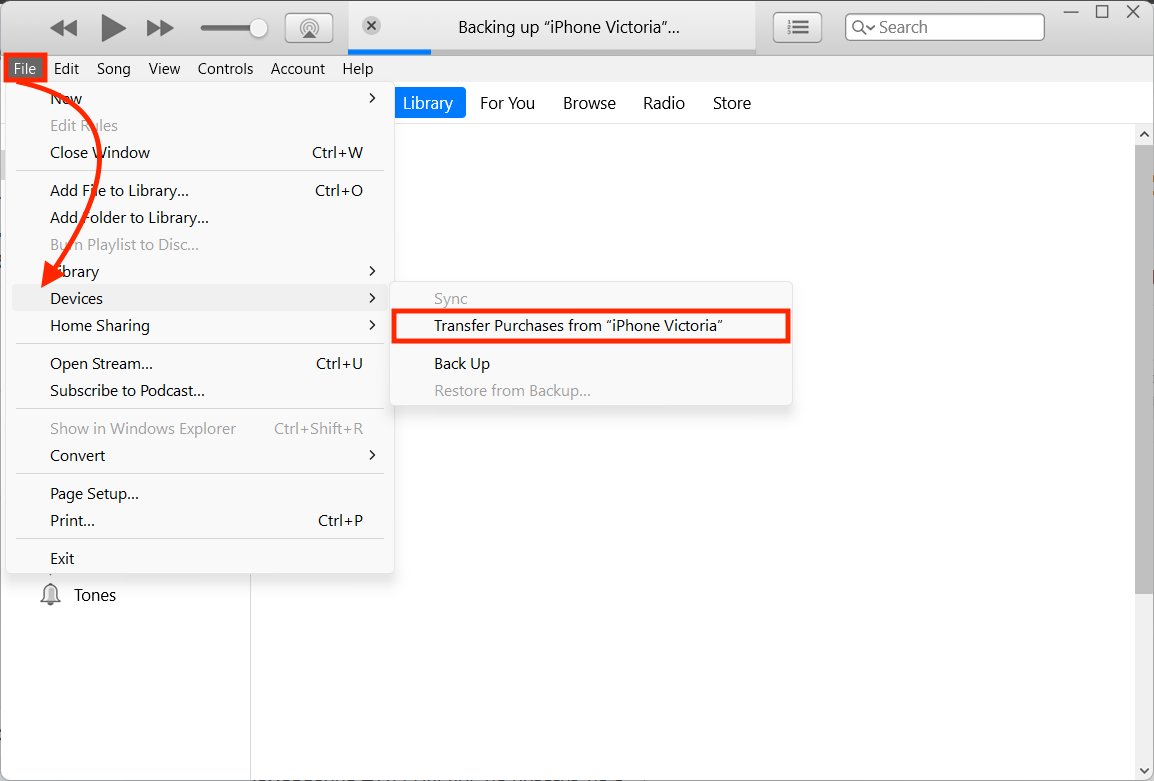
Historical iTunes example: The screenshot shows the Transfer Purchases menu. These instructions apply to iTunes; do not look for a universal Transfer Purchases button in Finder.
Apple documents the purchase-transfer and authorization steps. If a song came from an old CD or another local library, use a file-export method instead. Repeating purchase transfer will not change that song's source.
Method 2: Use Apple Music or Sync Library for subscription songs
Use Sync Library when your goal is listening to Apple Music on another device. Sign in with the same Apple Account and an Apple Music or iTunes Match subscription. Downloading a subscription song for offline listening does not remove its copy restrictions.
- Open the Apple Music app on your computer and sign in with the same Apple Account as your iPhone.
- On Windows, open Sidebar Actions > Settings > General and turn on Sync Library.
- On Mac, open Music > Settings > General and select Sync Library.
- If you use iTunes instead, look for its older iCloud Music Library setting.
- Let the library appear, then download songs inside Apple Music if you want offline listening.
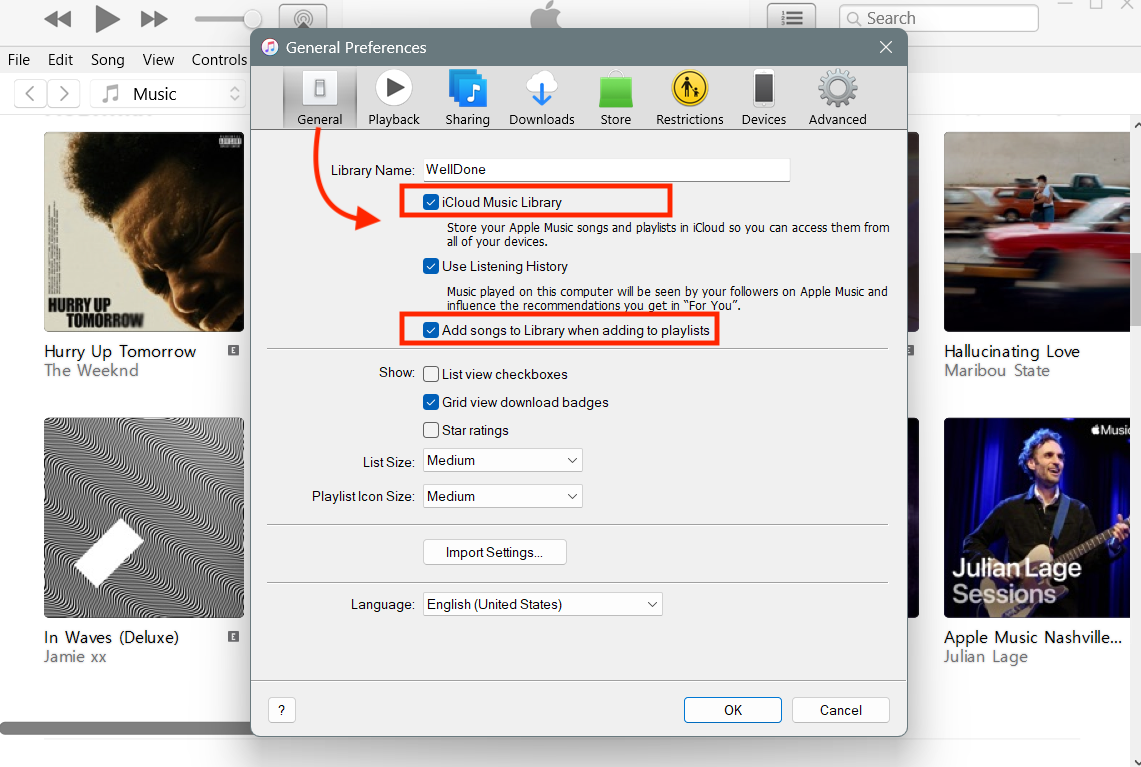
The screenshot is an older iTunes iCloud Music Library example. It does not show the current Apple Music settings screen. Follow the menu path for your app rather than trying to match the historical window.
Apple says Apple Music is not a backup service. Keep a separate copy of music files you own. Sync Library gives you library access across devices; it is not a recovery plan for the only surviving copy of a local album.
Method 3: Transfer music from iPhone to PC with AltTunes
AltTunes exports eligible iPhone music to Windows folders and external drives. You can choose tracks, albums or playlists. This fits an old local library you need to recover from the phone, rather than songs you can only stream through a subscription.
Softorino's AltTunes music guide documents music export, Wi-Fi transfer after setup, and support for artwork, artist details and ratings. Cloud-only entries need separate attention: a listed title does not mean the audio file is stored on the device. Downloading a protected subscription track still does not make it exportable.
Step 1: Install AltTunes on your Windows PC
Download AltTunes from Softorino, install it and open the app. The listed Windows support covers Windows 10 and Windows 11. Check the current download page for requirements and trial terms before depending on it for a full library export.
Watch the AltTunes workflow
The existing AltTunes workflow video remains below as a reference. The written instructions here follow product documentation; this refresh does not claim a new playback or export test.
Step 2: Connect and trust your iPhone
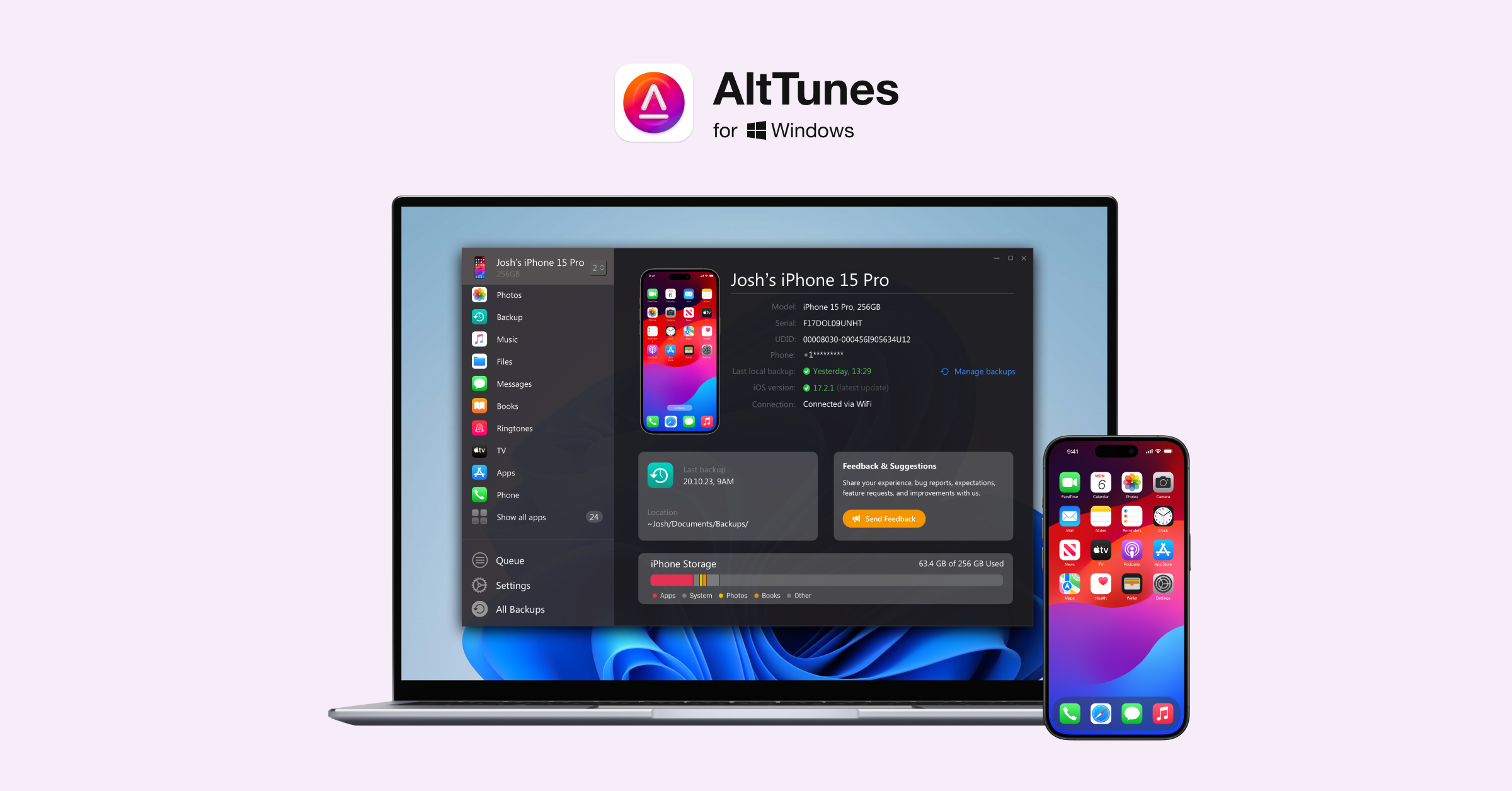
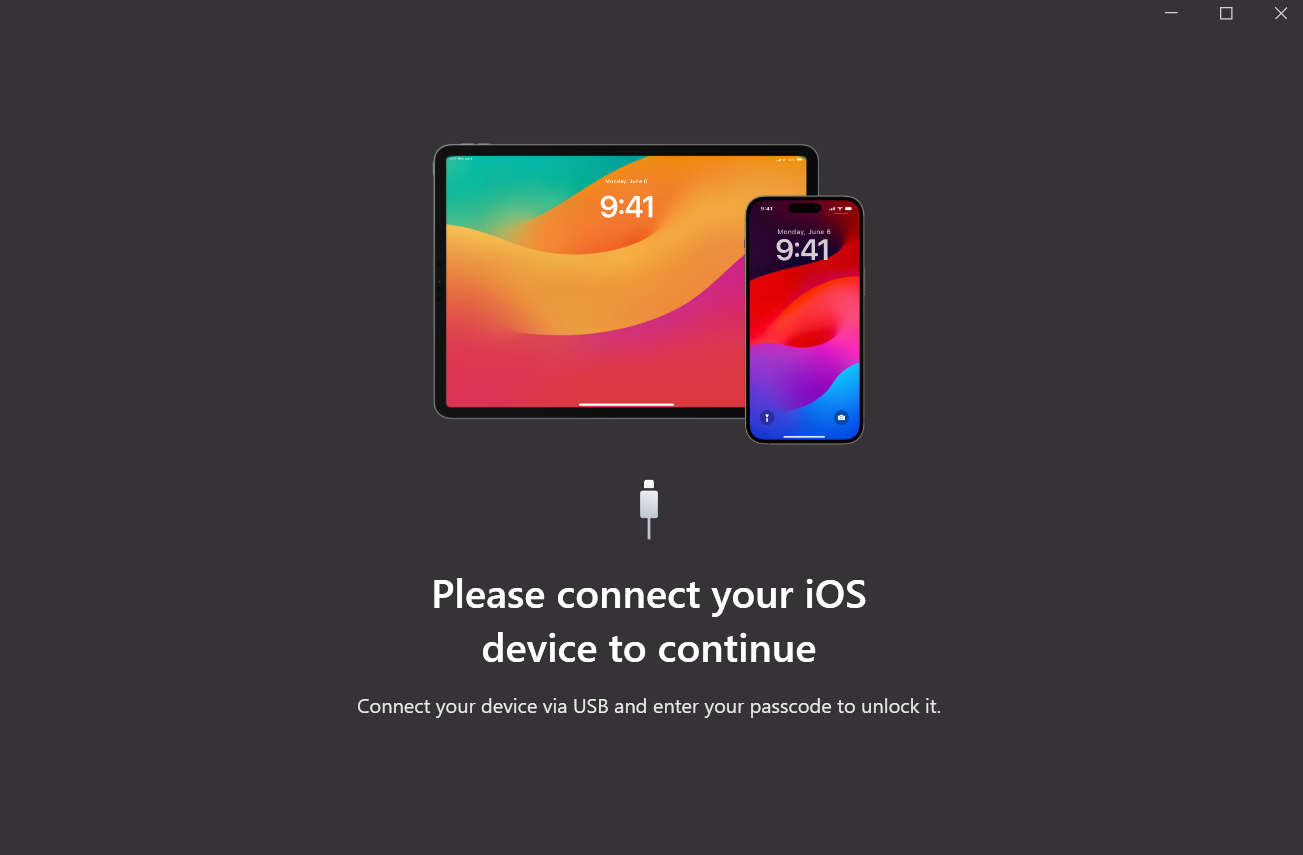
Connect your iPhone to the PC with a USB cable. Unlock the iPhone and accept Trust This Computer if prompted. Keep the phone connected while AltTunes reads its library. The screenshot shows the connection screen, not a completed transfer.
Step 3: Choose Music and export your songs
Select your iPhone in AltTunes and open Music. Choose the tracks, albums or playlists to export, then use Export and choose a folder on the PC or an external drive. Start with a small selection you can check before copying the rest.
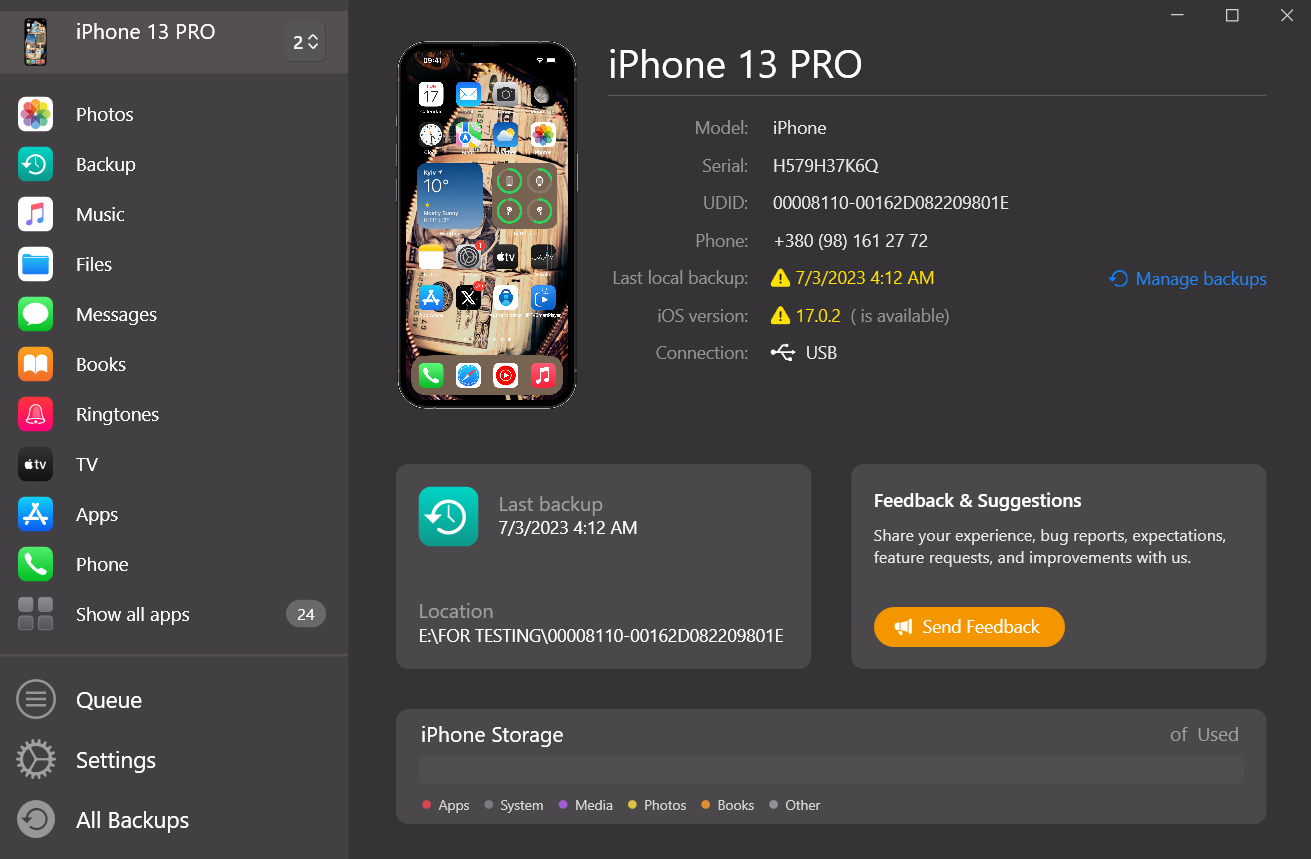
This is the AltTunes device overview, with Music in the sidebar. It is not the Export dialog or proof of a completed copy. After export, open the destination folder and play several saved tracks. Check the beginning and end of a song, album names and any artwork you need.
What AltTunes supports for this job
Export eligible iPhone or iPad music by track, album or playlist.
Save music to local Windows folders or external drives.
Transfer over Wi-Fi after the first setup, according to Softorino's documentation.
Preserve supported song details such as artwork, artist information and ratings.
Check the actual output before deleting anything from your phone. A playlist export and a fully rebuilt desktop library are not interchangeable. If you later want the opposite direction, WALTR PRO transfers files from computer to iPhone; it is not the tool for exporting songs off an iPhone.
Other iPhone music transfer apps worth knowing
For a Mac, start by checking iMazing's documented music-export route. The other screenshots below come from earlier versions of this guide. They identify the apps and screens, not a current compatibility test or a ranked recommendation. Confirm your iOS version, export limits and destination support before paying for any app.
iMazing: a documented Mac and Windows route
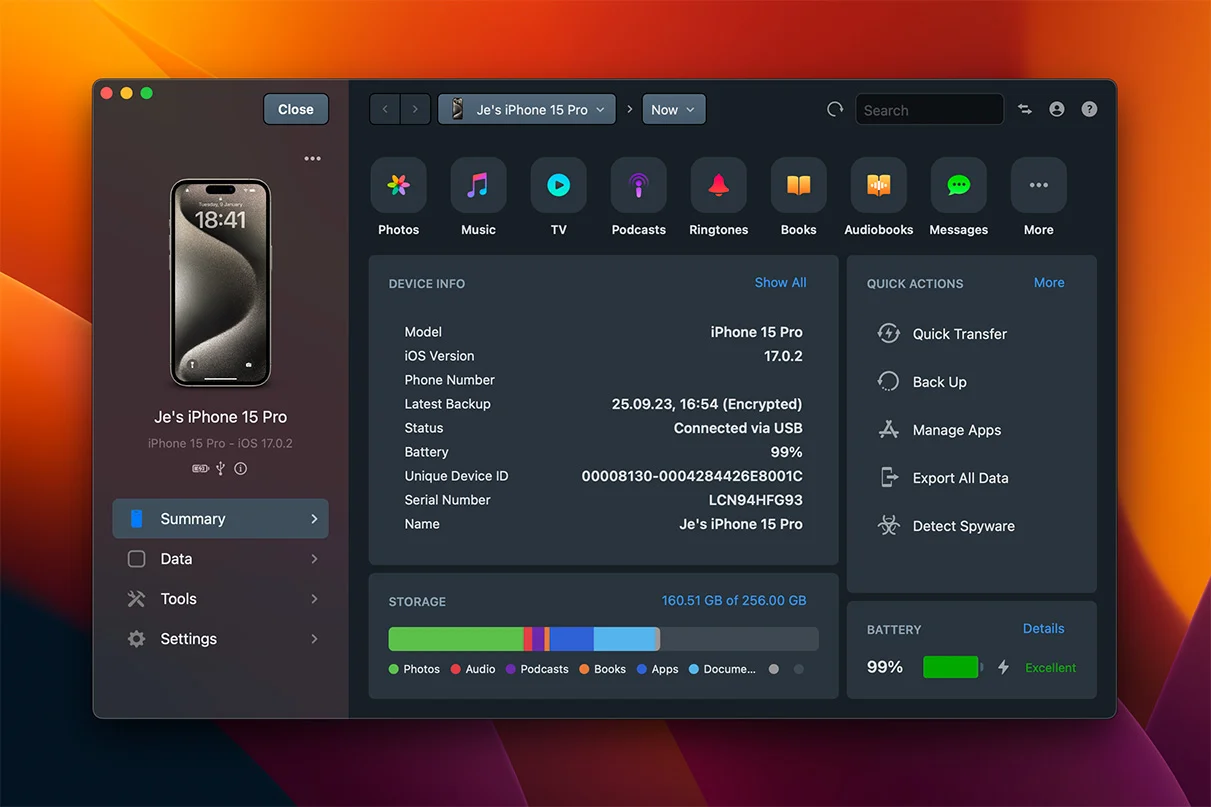
iMazing documents music export on Mac and Windows. Select the device, open Music, choose tracks and use the export option for a folder or the desktop music library. Its official guide distinguishes those destinations and explains metadata choices. The screenshot shows an iMazing device overview, not the final export dialog.
iExplorer: historical device-browser example
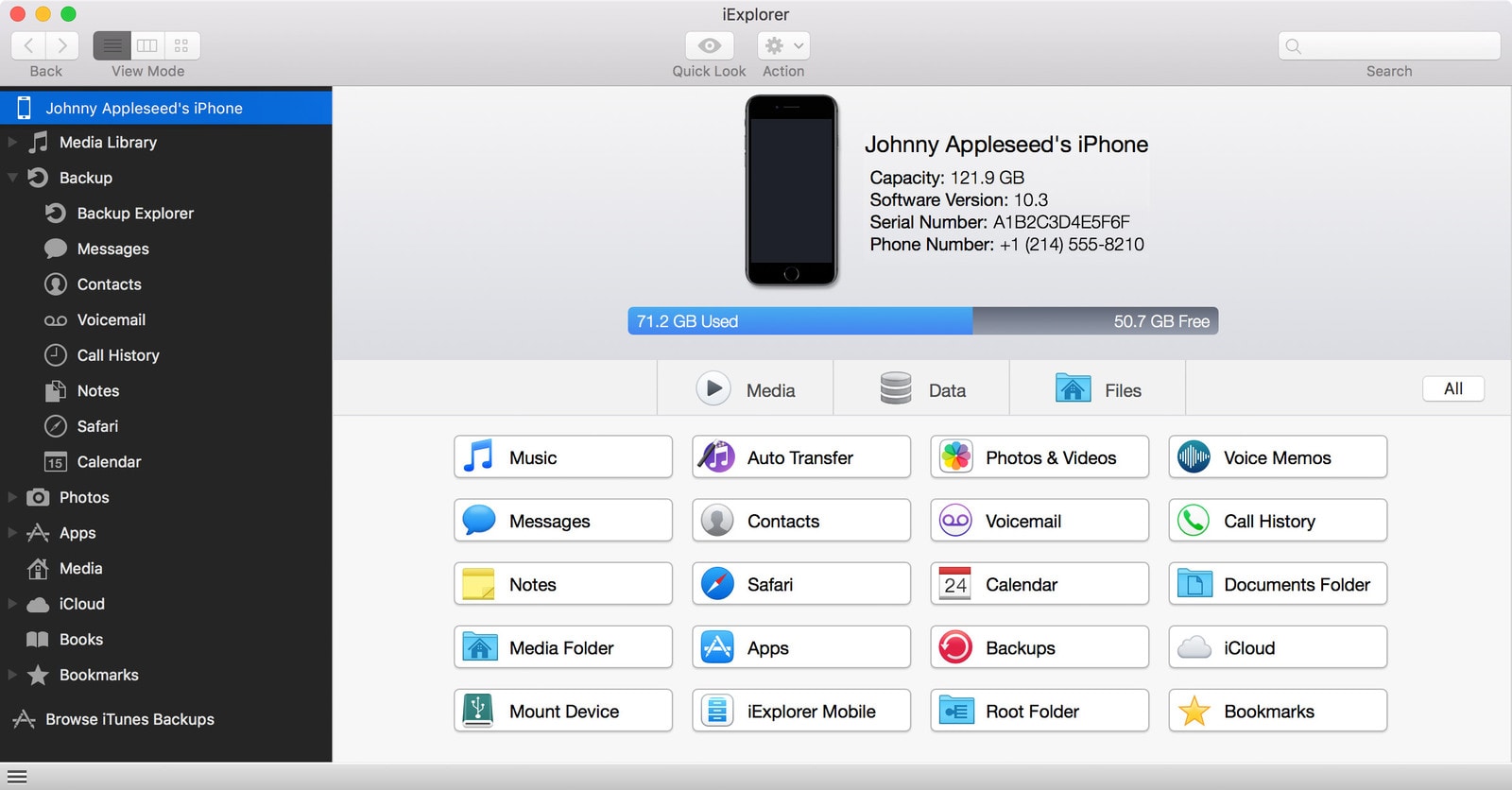
The iExplorer screenshot shows its device overview. Treat it as a historical reference: this refresh does not verify current iOS support, export limits or pricing. Confirm those details before choosing iExplorer to recover a library.
AnyTrans: device-management example
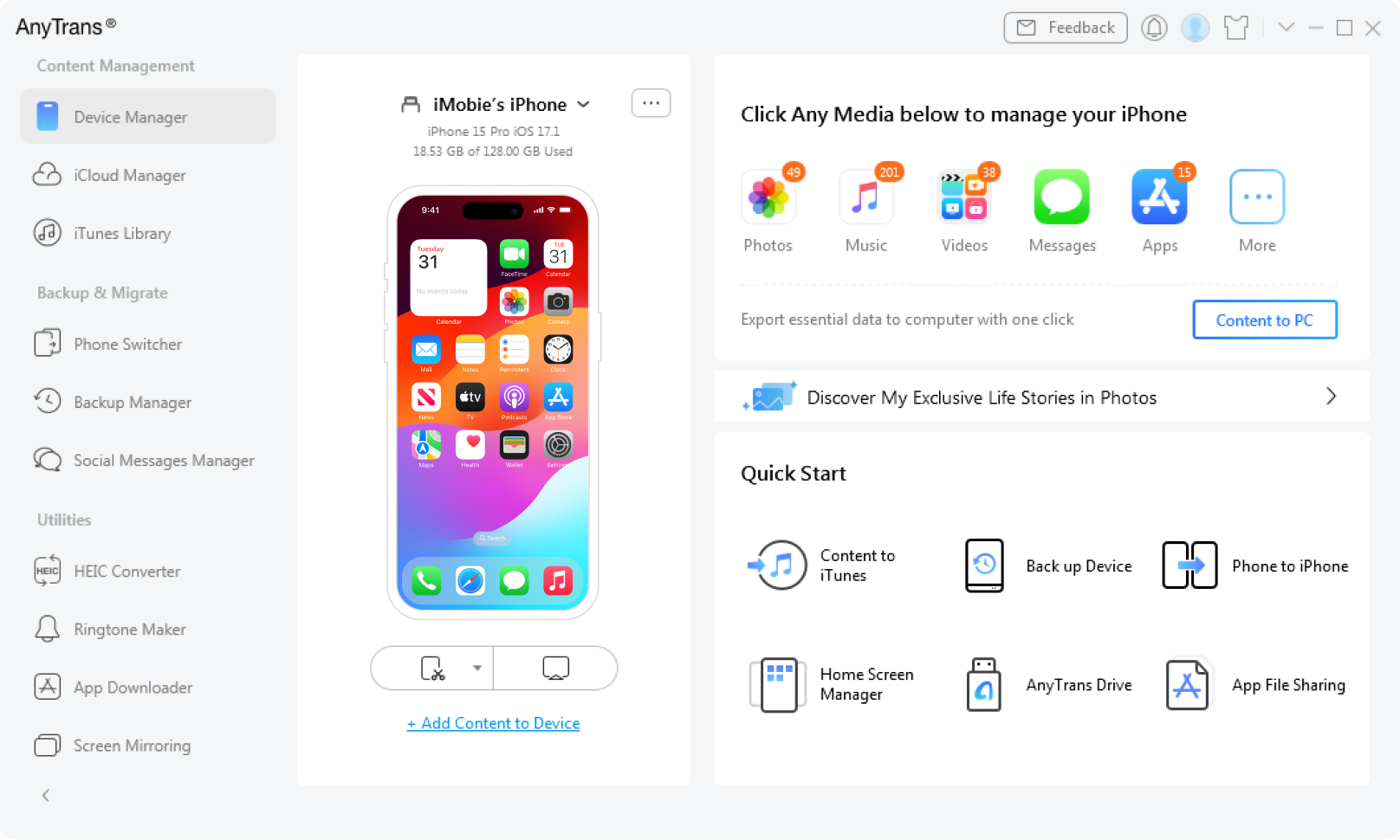
The AnyTrans screenshot shows a device-management interface. It does not establish transfer speed, successful music export or support for your current iPhone. Check the current AnyTrans music-export documentation if you already use the app.
Dr.Fone: toolkit overview
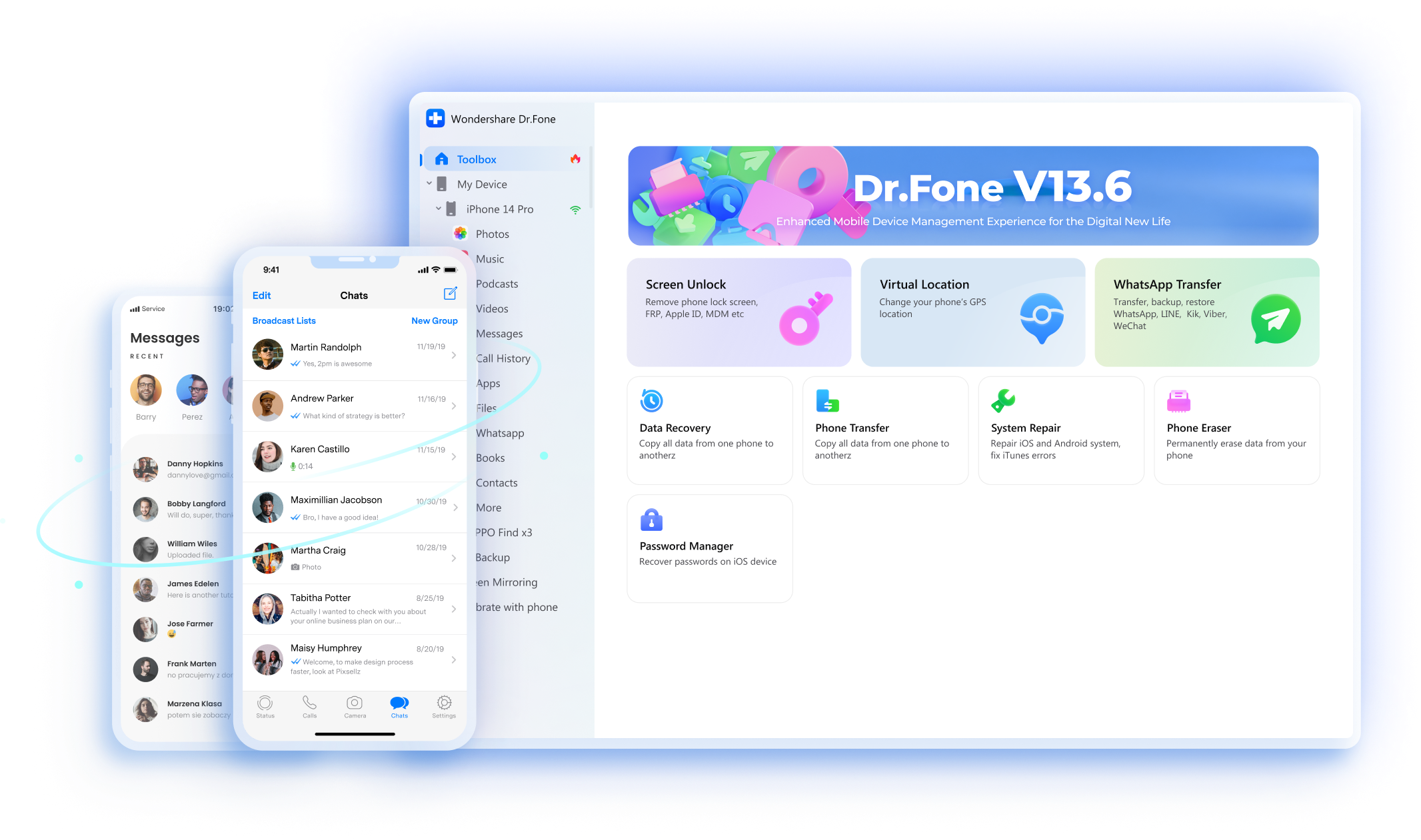
This Dr.Fone V13.6 artwork shows a toolkit overview rather than a music-transfer result. Check which current Dr.Fone module covers the transfer you need. Do not assume the pictured version or every bundled tool applies to your phone.
iMyFone TunesMate: historical media-transfer screen
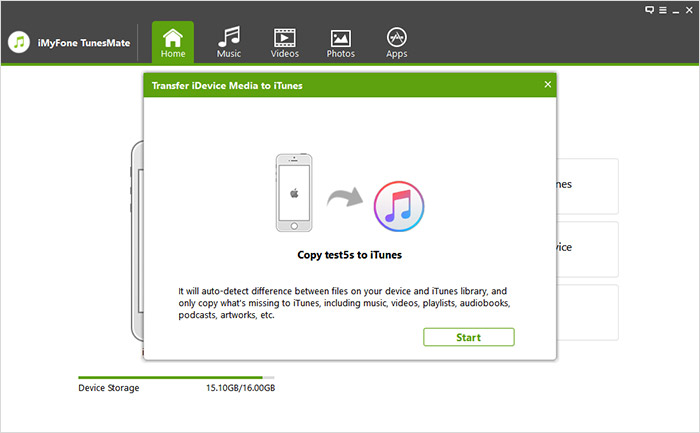
The iMyFone TunesMate image shows a Transfer iDevice Media to iTunes option. That destination differs from saving audio files to an ordinary folder. Confirm current TunesMate support and the output you need before using this historical workflow.
Syncios: device-to-device transfer example
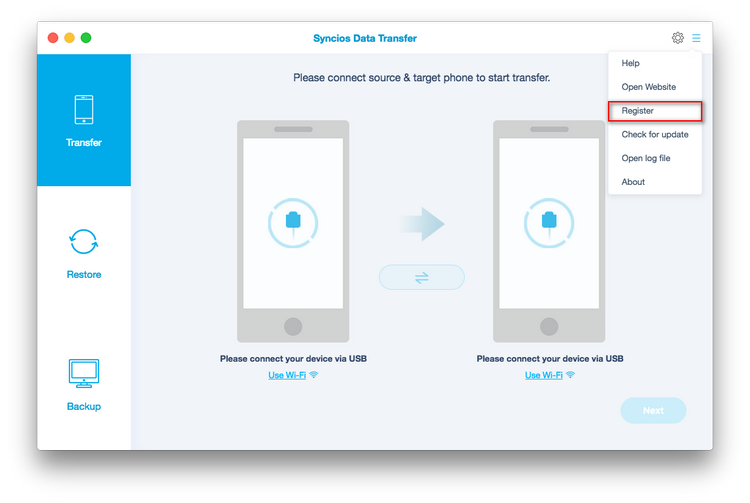
The Syncios Data Transfer screenshot shows source and target devices. It is not a direct iPhone-to-PC music export screen. Check the current Syncios product and workflow rather than assuming a device-to-device transfer will create a folder of songs on your computer.
EaseUS MobiMover: Music export screen
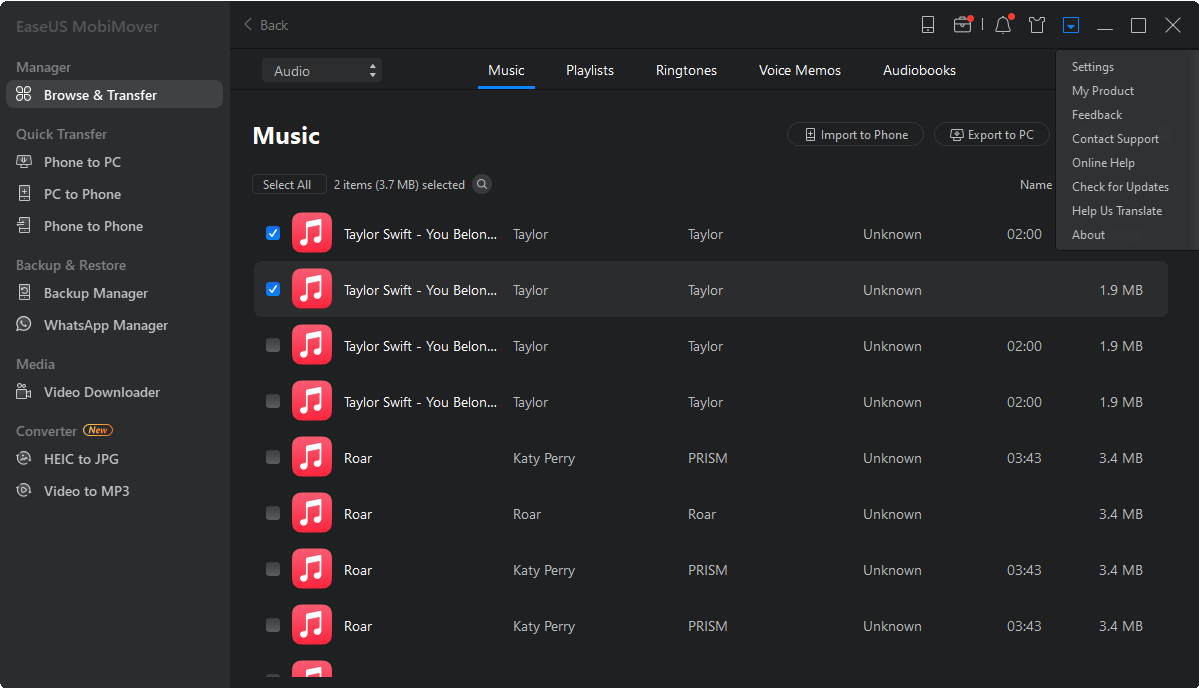
The EaseUS MobiMover image shows Music and Export to PC. It illustrates an export destination, but it does not prove the current free allowance or support for every song. Check current EaseUS MobiMover limits before starting a large transfer.
What not to do when moving music from iPhone to computer
Keep the phone's originals until you have a verified copy. If the computer library is empty, pause before using any command that syncs that library to the phone.
- Do not use Sync Music as a substitute for exporting from the iPhone.
- Do not expect Windows File Explorer to expose the Music library as a normal USB folder.
- Do not assume an Apple Music offline download is an owned MP3.
- Do not count a playlist file as a backup of the audio it references.
- Do not delete the original songs until you have opened the exported files and checked a sample of albums.
If the audio lives in a separate app rather than Music, check that app's sharing options. Apple's File Sharing instructions cover files in supporting apps. File Sharing is not a general extractor for the iPhone Music library. For broader file types, see our guide to transferring files from iPhone to PC.
Which method should you choose?
Choose by source, then destination. Use iTunes for eligible purchases, Apple Music for subscription listening, and AltTunes on Windows for eligible local files. On Mac, check iMazing's music export. None of these routes turns protected subscription tracks into owned MP3s.
For a wider recovery job, keep music export separate from a device backup. Our guide to backing up an iPhone without iCloud covers that separate task. A folder of songs alone does not back up messages, settings or app data.
Quick Takeaways for music transfer
- Match the method to purchases, subscription songs, local Music tracks or loose app files.
- Use AltTunes for Windows export; check a supported Mac route if you use macOS.
- Distinguish a song listed in a library from an eligible audio file stored on the phone.
- Open saved files and check playlist output before deleting your originals.
Frequently asked questions
How do I transfer music from iPhone to PC?
For eligible iTunes Store purchases, authorize the computer in iTunes and choose File > Devices > Transfer Purchases. For eligible local music, use AltTunes on Windows to select tracks in Music and export them to a folder. Use Apple Music for subscription listening instead of file export.
Can I transfer non-purchased music from iPhone to computer?
Yes, an iPhone manager can export eligible local tracks such as music from ripped CDs or an old library. The files must be available on the phone. Apple Music subscription downloads remain protected even though you did not buy them from the iTunes Store.
Can Apple Music songs be exported from iPhone?
Apple Music subscription songs cannot be exported as ordinary owned MP3 files. Use the same Apple Account and Sync Library to listen on your computer. Music you own and imported into the Music app is a separate case from subscription downloads.
Can I transfer music from iPhone to computer wirelessly?
Softorino documents AltTunes Wi-Fi transfer after the first setup. Apple Music also uses an internet connection for Sync Library. These are different jobs: AltTunes exports eligible local files, while Sync Library gives you access to your music library across devices.
Will playlists and metadata transfer?
AltTunes documents playlist export and support for details such as artwork, artist information and ratings. Check a sample of the saved output. Copying audio files into a folder does not necessarily recreate every playlist or every field in your desktop music app.
Choose your music-transfer method
To transfer music from iPhone to computer, identify the music source before connecting the phone. For eligible local tracks on Windows, download AltTunes and export a small selection first. Keep the iPhone copy until the saved songs play and the output matches what you need.
Method note: This guide uses Apple and vendor documentation reviewed in November 2026. No hands-on app or device testing was performed for this refresh. The retained screenshots are historical illustrations, not evidence of current test results.

AltTunes
Seamlessly Browse, Manage & Export iOS Data
