How to Download PDF on iPhone: 6 Easy Methods

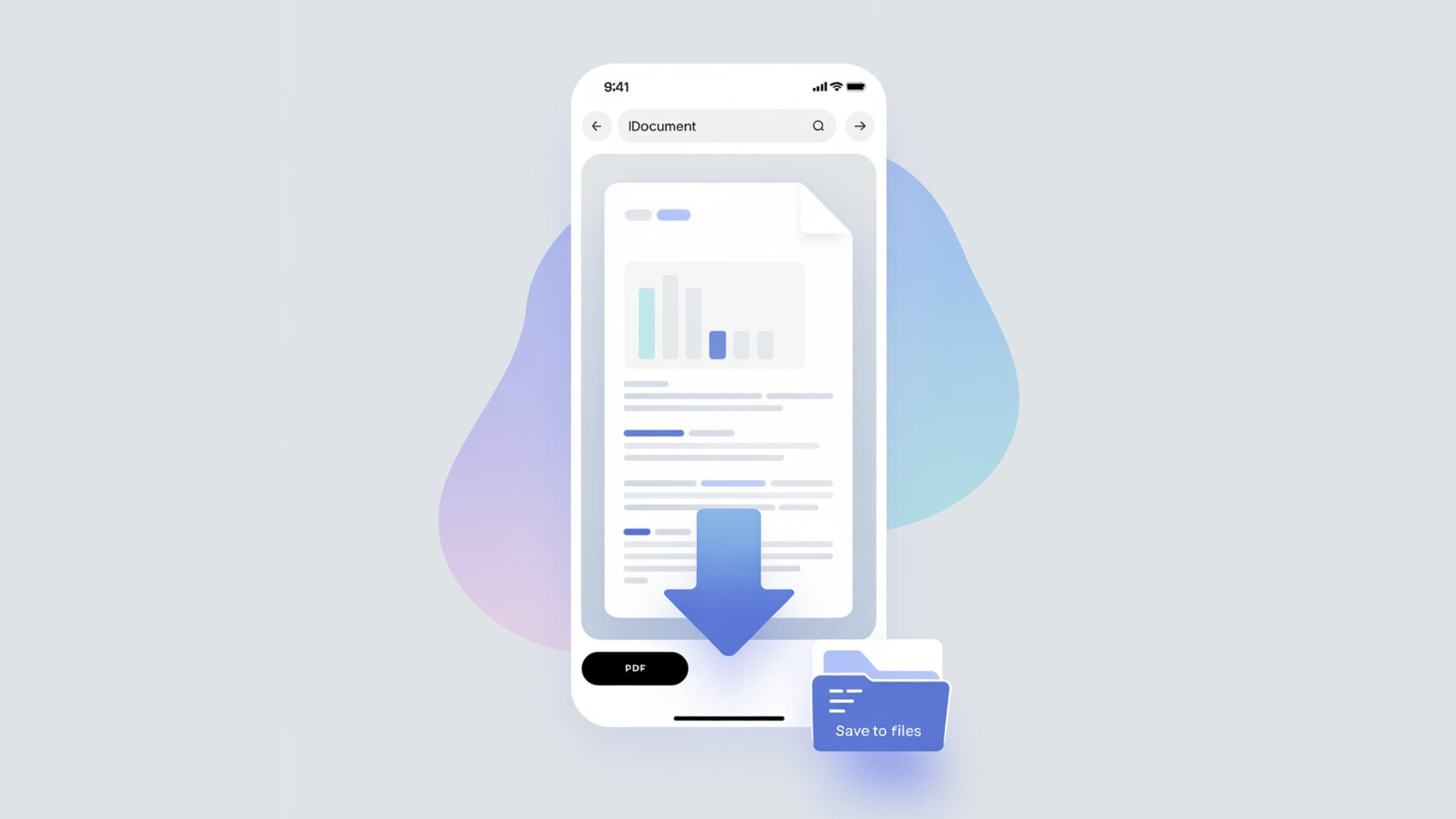
If you want to know how to download PDF on iPhone, the fastest answer is usually: open the PDF, tap Share, then save it to Files or Books. Files is better for storage and sharing. Books is better for reading.
The annoying part is not the download. It is finding the PDF later. iPhone can save PDFs in Files, iCloud Drive, On My iPhone, Books, Gmail, Messages, or a third-party app folder. Helpful, in the way a junk drawer is helpful.
This guide shows 6 clean ways to save PDF on iPhone, including Safari, email, iCloud, AirDrop, Finder, and WALTR PRO for PDFs already sitting on your Mac or Windows PC.
Quick answer: how to download PDF on iPhone
To download a PDF on iPhone from Safari, open the PDF link, tap the Share button, choose Save to Files or Books, pick a folder if Files opens, then tap Save. You can usually find the PDF in Files > Browse > Downloads, iCloud Drive, On My iPhone, or inside Apple Books.
Use Files when you want folder control, iCloud sync, or easy sharing. Use Books when you want a reading library.
Pick the right PDF method
PDF source | Best method | Where it lands | Best for |
|---|---|---|---|
Website or Safari link | Share > Save to Files or Books | Files, Downloads, iCloud Drive, On My iPhone, or Books | Fast iPhone-only downloads |
Email, Gmail, Messages, or a shared link | Open attachment > Share > Save to Files or Books | Files, Books, or the sending app | Documents sent by another person |
PDF on Mac or Windows PC | WALTR PRO | Books or selected destination app | Moving local PDFs without iTunes |
PDF on nearby Mac | AirDrop | Share sheet destination, often Files or Books | Quick Apple-to-Apple transfer |
PDF in cloud storage | iCloud Drive | Files app | PDFs you need across devices |
PDF library on Mac | Finder or Books sync | Apple Books | Mac users who already sync libraries |
Method 1: how to download PDF on iPhone from Safari
Safari is the best first method when the PDF is already online. Apple’s iPhone PDF guide points users to the Share sheet, which is still the cleanest native path.
- Open the PDF link in Safari.
- Wait for the PDF preview to load.
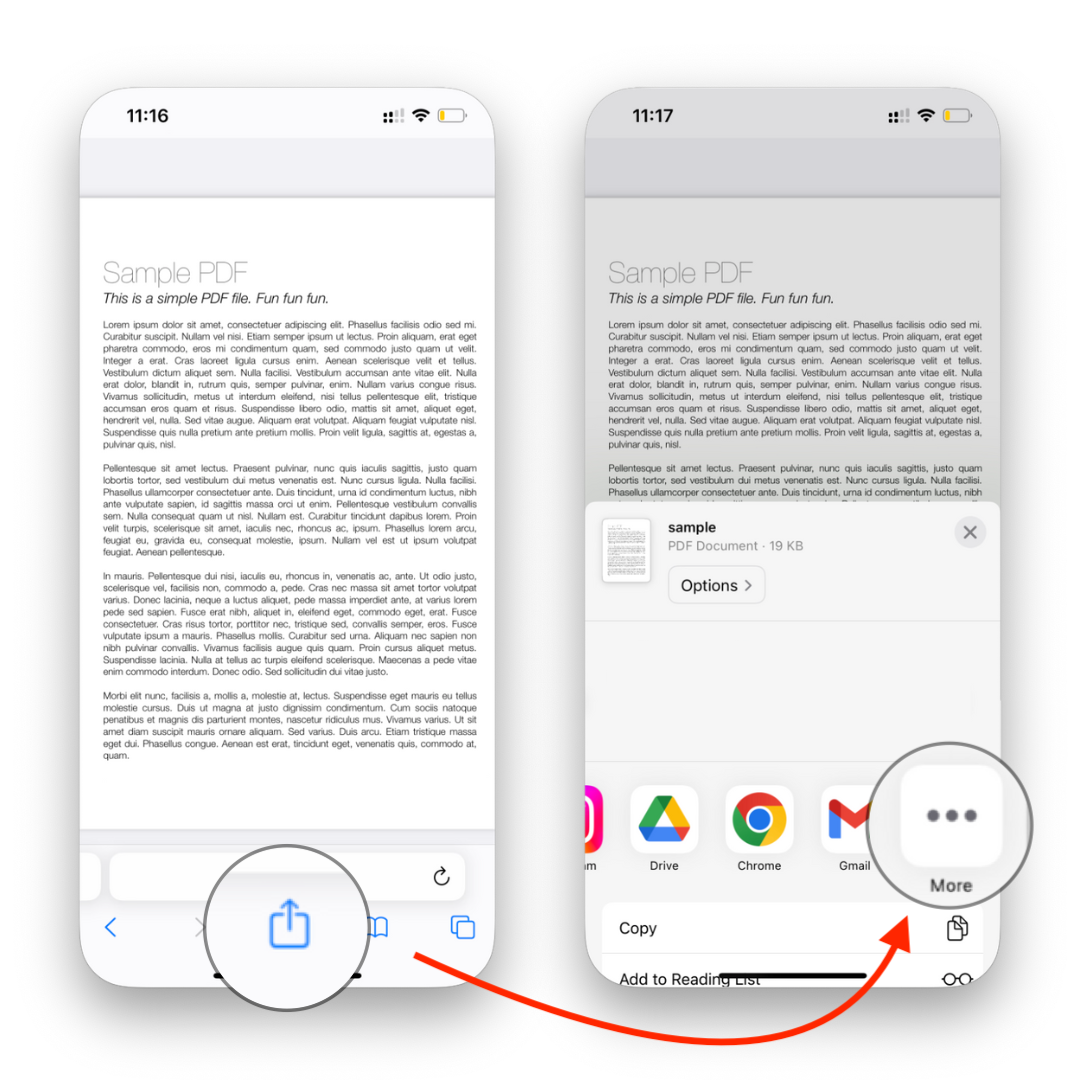
- Tap the Share button.
- Choose Save to Files if you want folder control, or Books if you want to read it later.
- If you choose Files, pick iCloud Drive, On My iPhone, or Downloads, then tap Save.
If Books does not show up, scroll across the app row, tap More, and search for Books. If Save to Files does not show up, swipe up in the Share sheet and look under the action list.
Use Files for documents you may need to upload, rename, move, or send again. Use Books for PDFs you plan to read like a manual, ebook, guide, or receipt archive.
Destination tip
You can also use Chrome or Firefox. The labels may look a little different, but the path is the same: open the PDF, tap Share, then save to Files or Books.
Method 2: save a PDF from email, Gmail, Messages, or a link
A lot of PDF downloads do not start in Safari. They arrive as invoices, boarding passes, ebooks, school documents, bank statements, and shared links. The workflow is still Share first, destination second.
For Apple Mail
- Open the email with the PDF attachment.
- Tap the PDF to preview it.
- Tap Share.
- Choose Save to Files or Books.
- Pick the folder or app where you want the PDF to live.
For Gmail
- Open the message in Gmail.
- Tap the PDF attachment.
- Tap the Share icon.
- Choose Save to Files, Books, or another app.
For Messages
- Open the conversation.
- Tap the PDF or link.
- Tap Share.
- Save it to Files or send it to Books.
If the PDF opens inside a third-party app, look for Share, Open In, Export, or Send a Copy. iOS changes labels depending on the app because of course it does.
Method 3: transfer PDFs from Mac or Windows with WALTR PRO
If the PDF is already on your computer, downloading it again on your iPhone is the long way around. WALTR PRO lets you move PDFs from Mac or Windows to iPhone without iTunes or Finder sync.
How to transfer a PDF to iPhone with WALTR PRO
- Install WALTR PRO on your Mac or Windows PC.
- Open WALTR PRO.
- Connect your iPhone once with a USB cable. After setup, Wi-Fi transfer can be used when available.
- Drag your PDF into the WALTR PRO window.
- Choose the destination if WALTR asks.
- Open Books or the selected destination app on your iPhone.
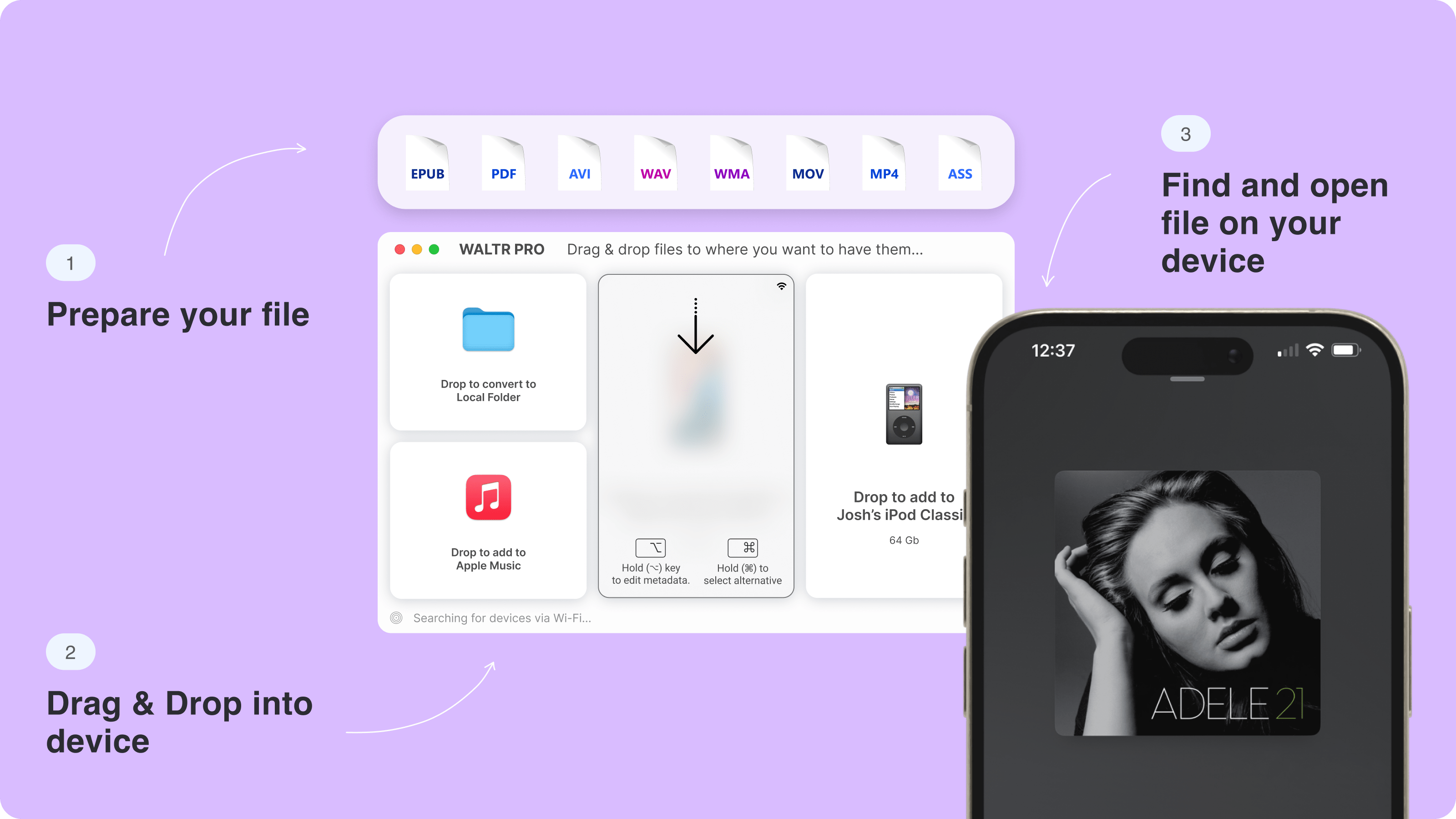
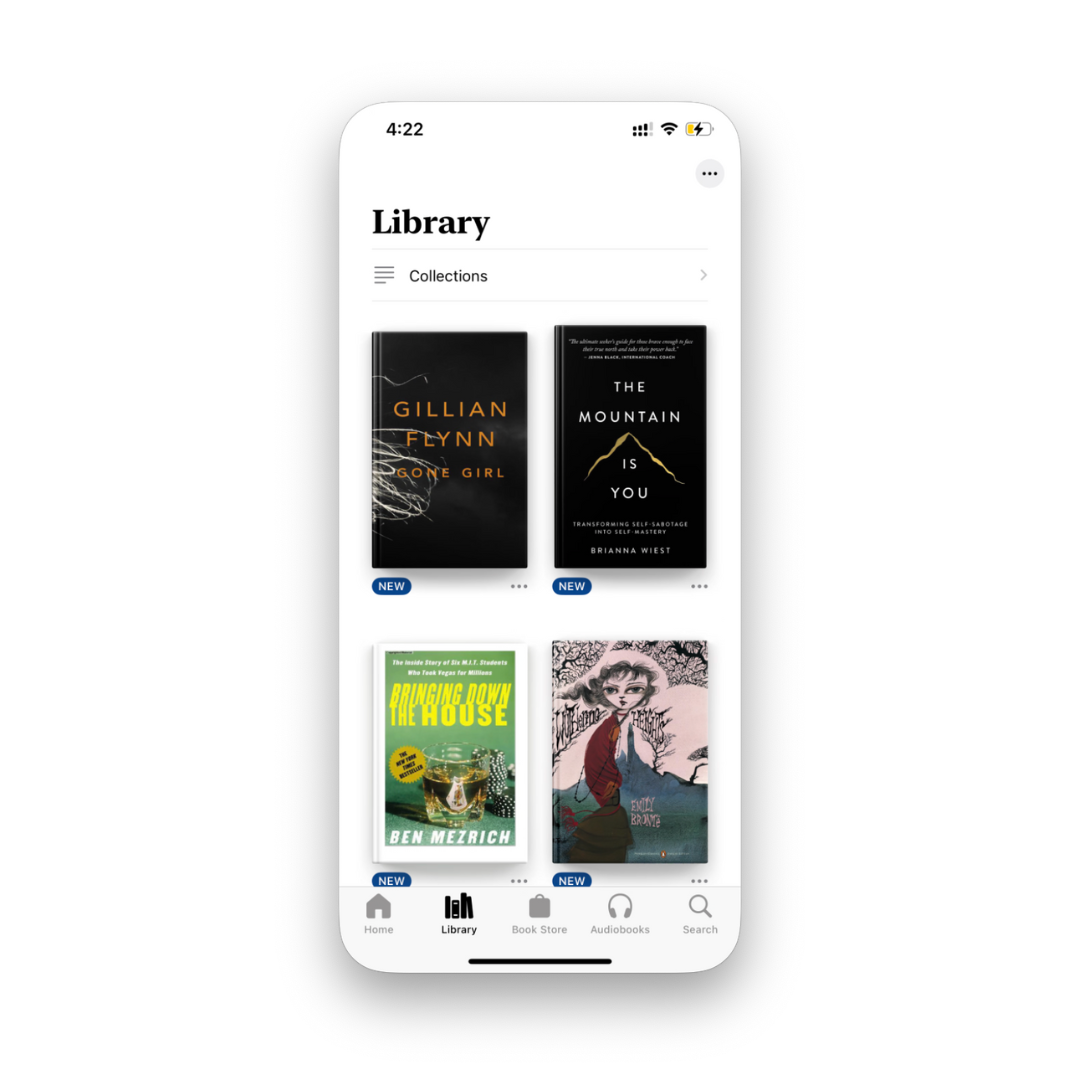
WALTR PRO is the right fit when you have a local PDF, EPUB, music file, or video file on your computer and you want it on your iPhone without Apple’s sync maze. PDFs do not need conversion, but WALTR PRO can also handle many common book and media formats.
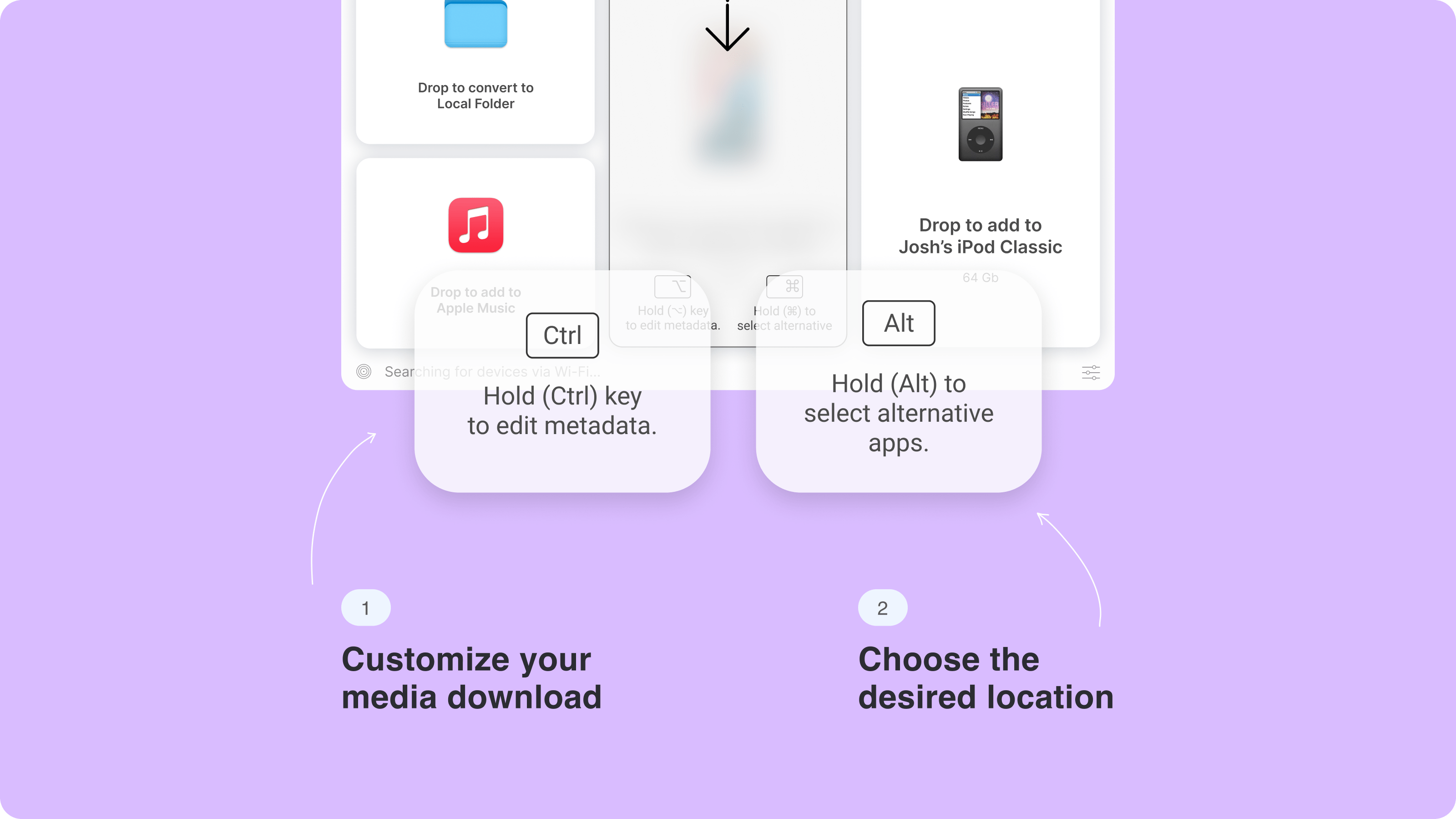
Why use WALTR PRO for PDFs
It works on Mac and Windows.
It avoids iTunes and Finder sync steps.
It is useful for larger local PDFs that are annoying to email or upload.
It can send PDFs and EPUB files to your iPhone for reading.
It also helps when you need to move other files to iPhone later.
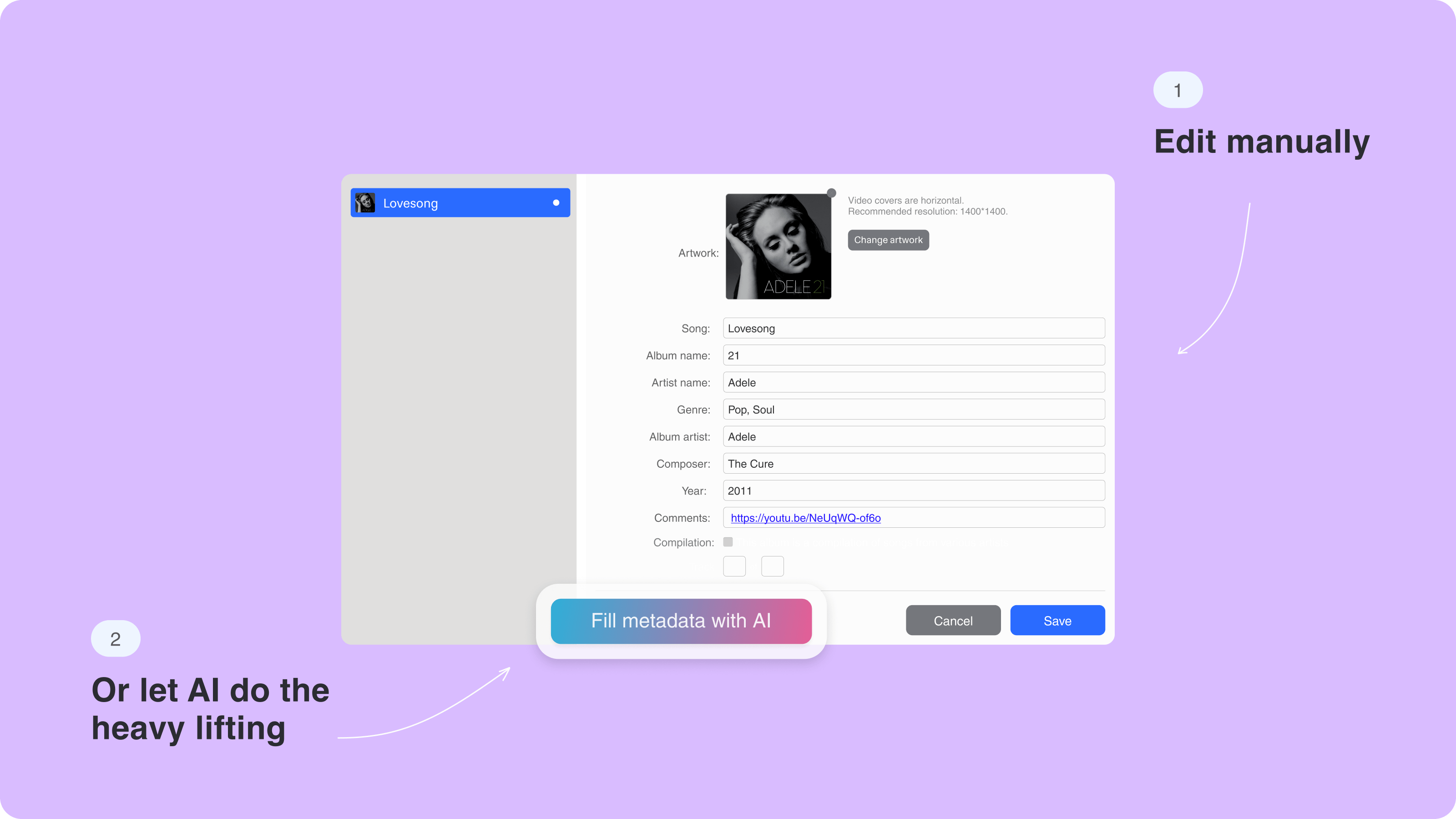
Use the free trial if you want to test the PDF transfer workflow first. If your whole problem is one PDF from Safari, use the native method. If your problem is “this file is on my computer and Apple made moving it weird,” WALTR PRO earns its spot.
You can also use WALTR PRO with related reading files, including EPUB files on iPhone, when Apple Books is your final destination.
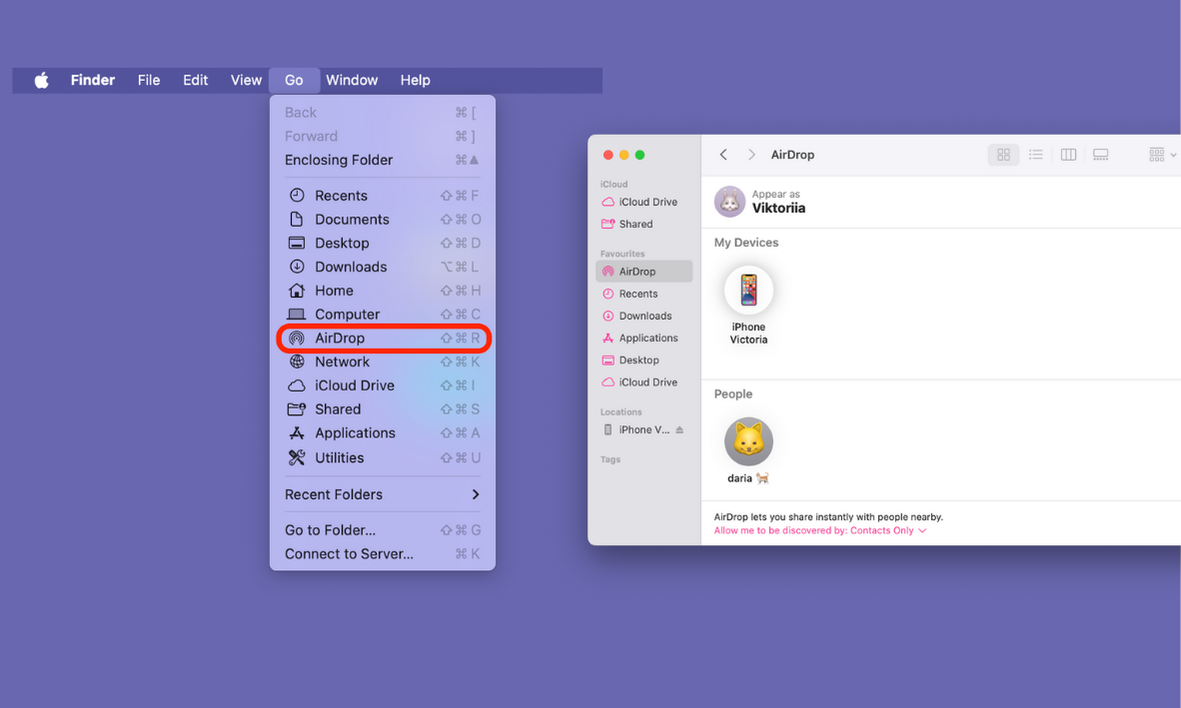
Method 4: AirDrop PDF files from Mac to iPhone
AirDrop is fast when both devices are Apple devices and both are nearby. It does not help Windows users, but it is great for sending one PDF from a Mac to an iPhone without cables.
- Turn on Wi-Fi and Bluetooth on both devices.
- Open AirDrop on your Mac from Finder.
- Make sure your iPhone can receive AirDrop from Contacts Only or Everyone for 10 Minutes.
- Drag the PDF onto your iPhone in the AirDrop window.
- On your iPhone, choose where to open or save the PDF.
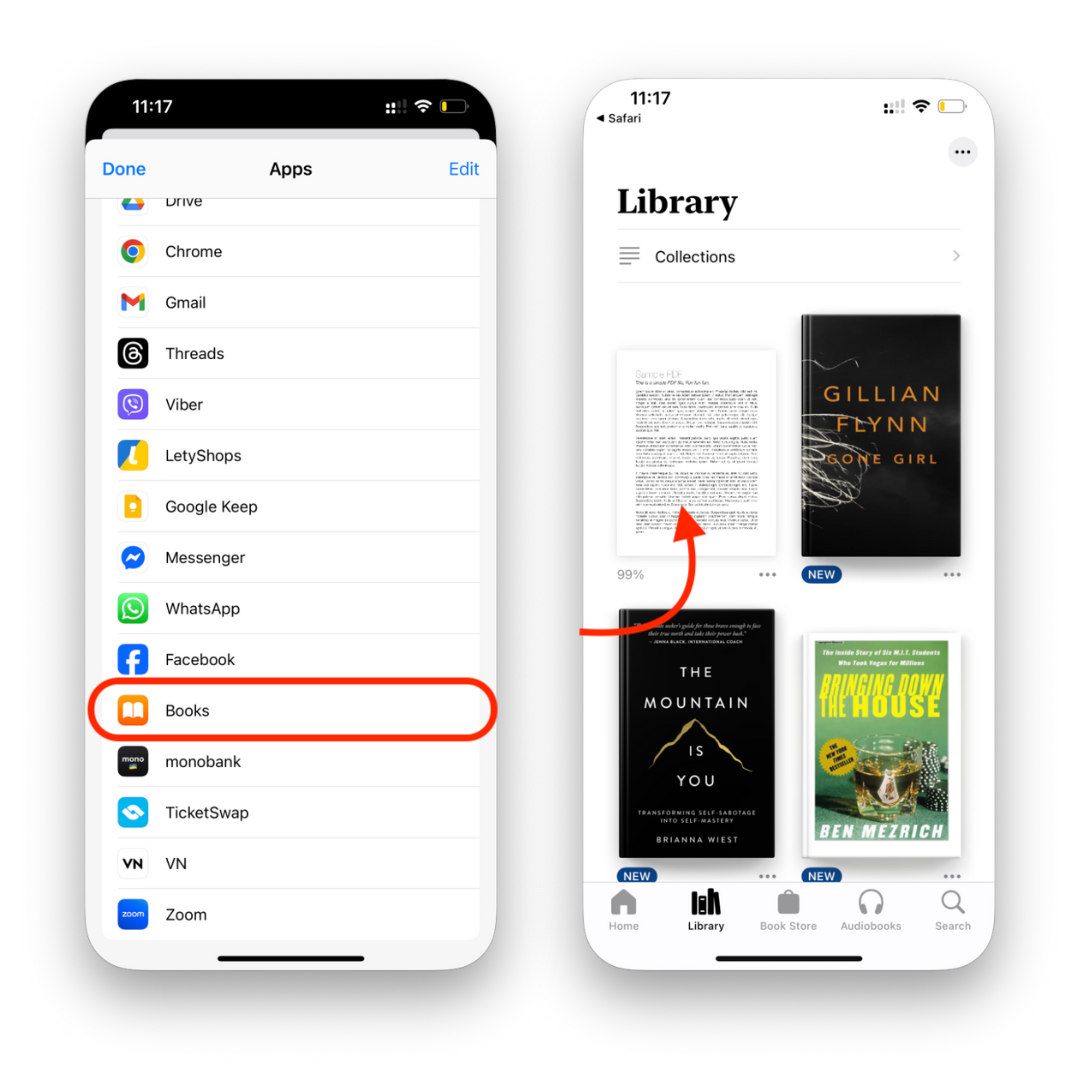
AirDrop may ask whether you want to open the file in Books, Files, or another app. Pick Files if you want folder control. Pick Books if you want to read and keep it in your library.
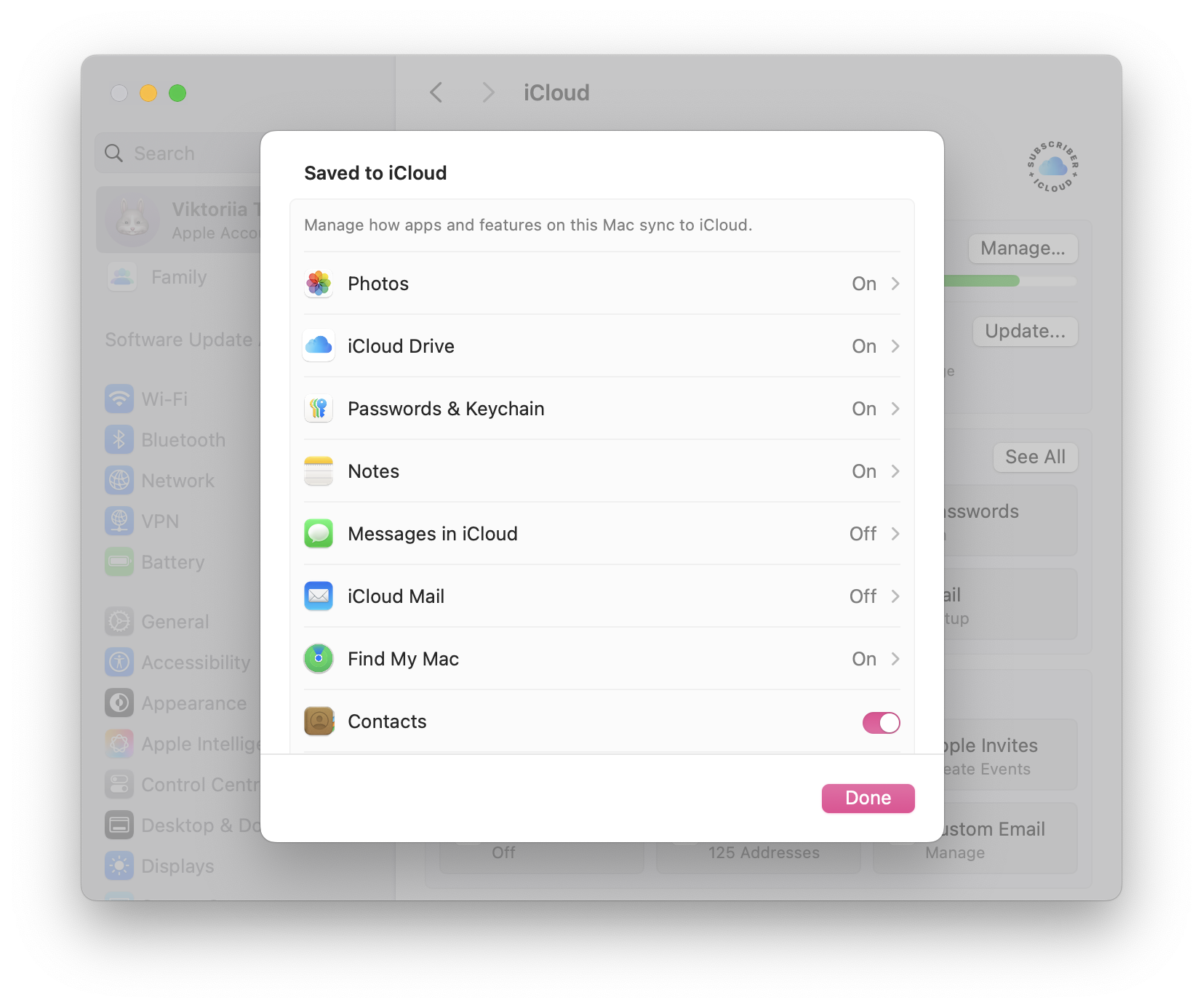
Method 5: upload PDFs through iCloud Drive
iCloud Drive is the best method when you want the same PDF available on your iPhone, Mac, iPad, and sometimes Windows. It is slower than a direct transfer for large files, but it keeps the PDF in one cloud location.
- On Mac, open Finder and go to iCloud Drive.
- On Windows, use iCloud for Windows or upload through iCloud.com.
- Drag the PDF into iCloud Drive.
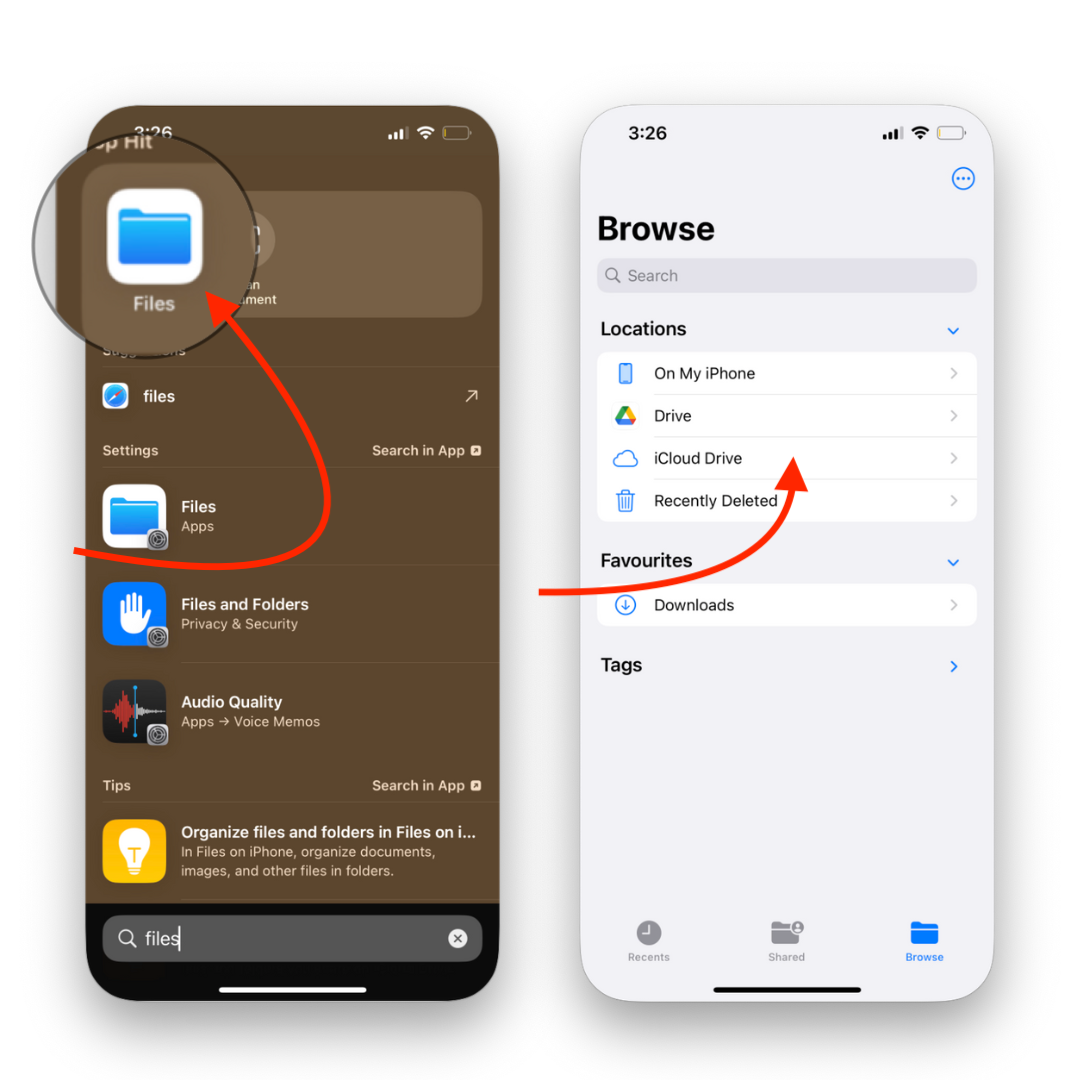
- On iPhone, open Files.
- Tap Browse, then iCloud Drive.
- Open the PDF, move it, share it, or send it to Books.
The catch: iCloud Drive uses your iCloud storage. If the PDF does not show up, check your internet connection, iCloud storage, and whether the file finished uploading from the other device.
Method 6: sync PDFs with Finder or Books on Mac
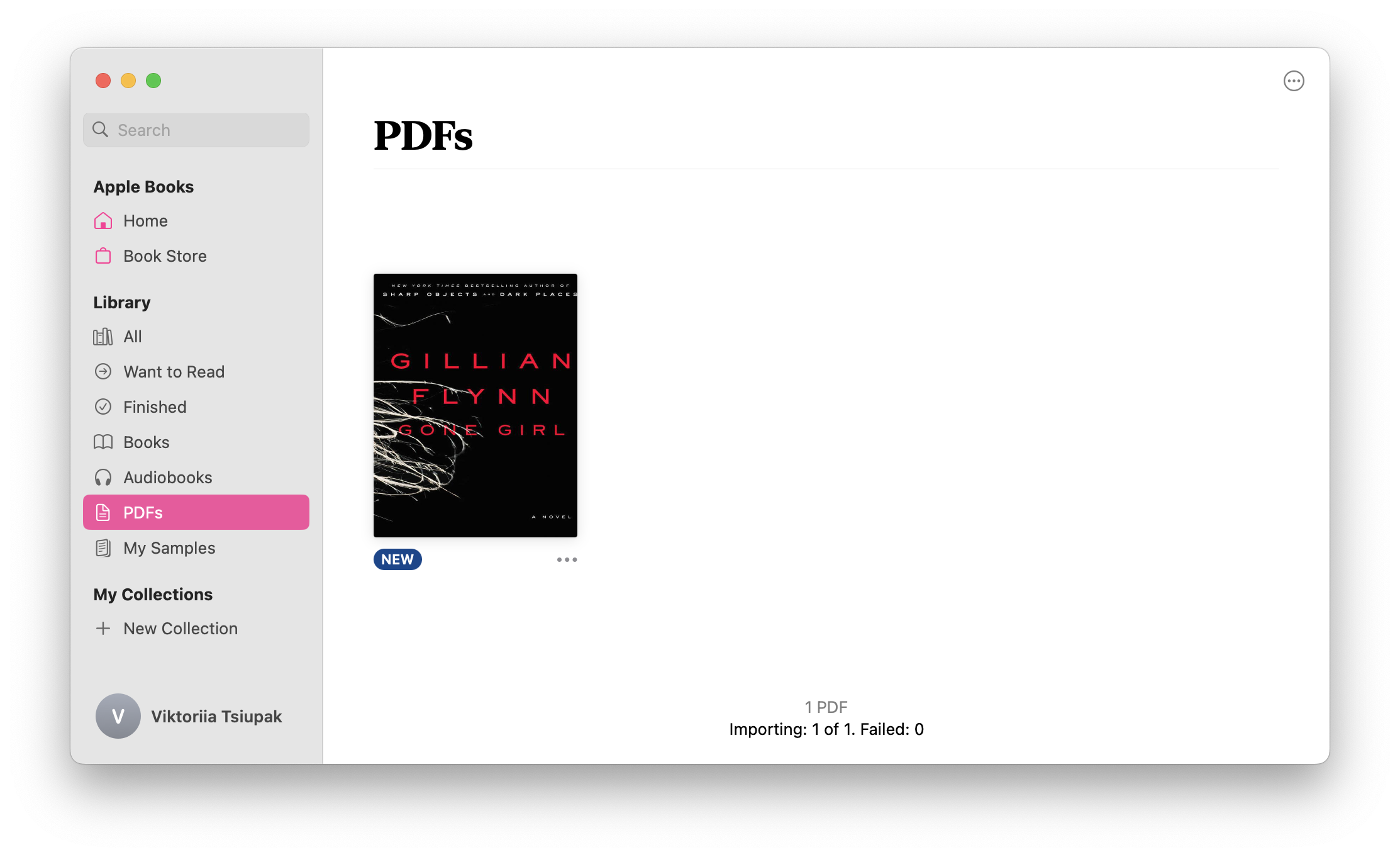
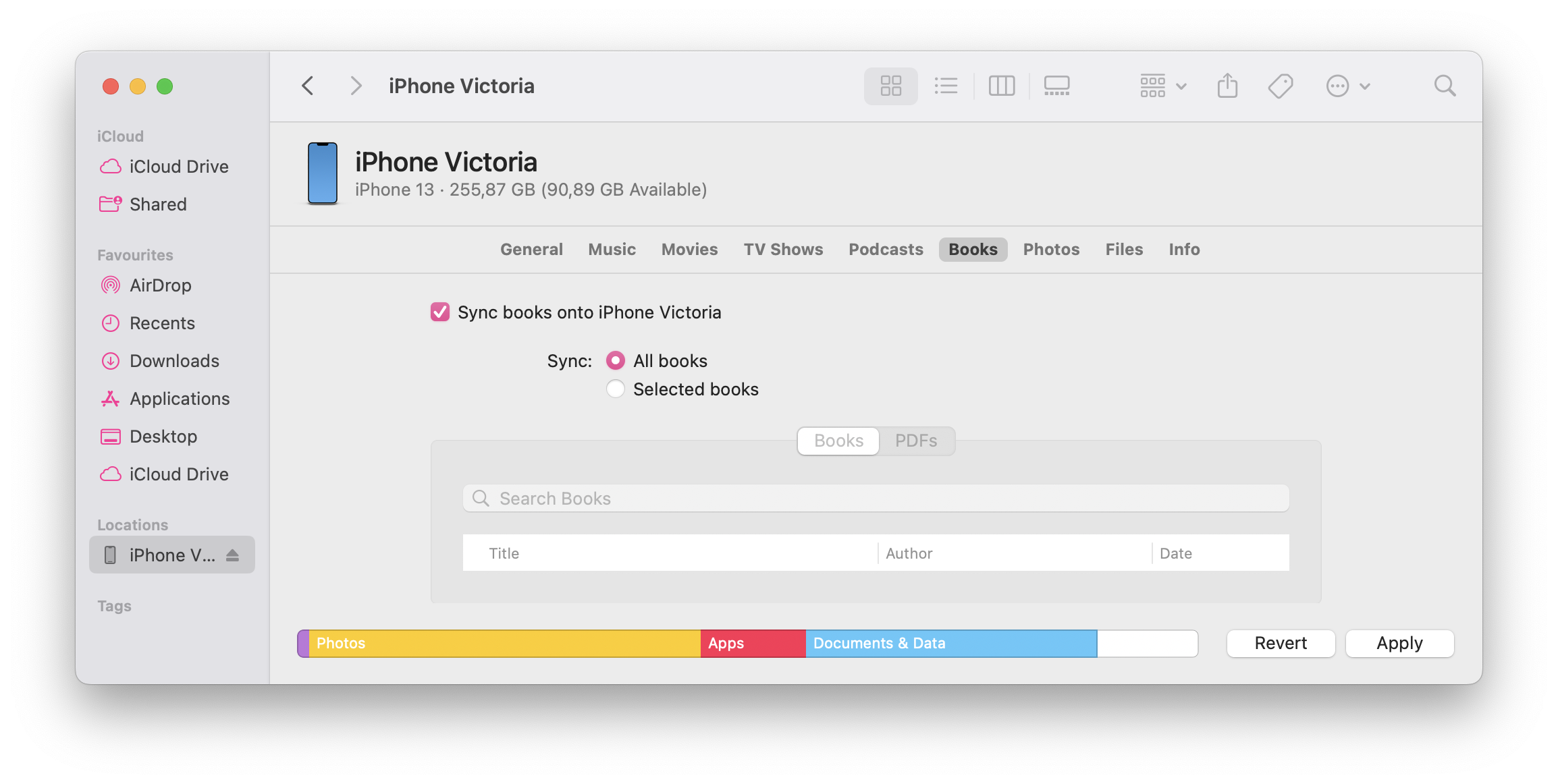
Finder and Books sync are Mac-only methods. They make sense if you already manage an Apple Books library on your Mac and want the same PDFs on your iPhone.
Finder sync on macOS Catalina or later
- Connect your iPhone to your Mac.
- Open Finder.
- Select your iPhone in the sidebar.
- Open the Books section.
- Choose the PDFs or books you want to sync.
- Click Apply or Sync.
Be careful if your iPhone syncs with another library. Finder can warn you before replacing existing synced Books content. Read that warning instead of rage-clicking through it.
Books app on Mac
- Open Books on your Mac.
- Drag the PDF into your library.
- Make sure Books sync is enabled for your Apple ID and device.
- Open Books on your iPhone and check your library.
This method is tidy for people who already use Books. It is overkill if you only need to save one PDF from Safari.
Where do downloaded PDFs go on iPhone?
Downloaded PDFs usually go to one of 5 places:
- Files > Browse > Downloads.
- Files > Browse > iCloud Drive.
- Files > Browse > On My iPhone.
- Apple Books.
- The app that opened or received the PDF, such as Gmail, Drive, Acrobat, or Messages.
Apple’s Files app guide is the first place to check. Open Files, tap Browse, then check Downloads, iCloud Drive, and On My iPhone. If you saved the PDF to Books, open Books and check Library.
If you still cannot find it, use iPhone search. Swipe down from the Home Screen and search the PDF name, the sender, or a word from the file title.
Files vs Books: which destination should you choose?
Choose Files if the PDF is a working document. Files is better for invoices, forms, receipts, school documents, shared files, and anything you may rename, move, upload, or send later.
Choose Books if the PDF is something you want to read. Books is better for ebooks, manuals, guides, long reports, and documents you want in a reading library.
Neither choice is permanent. You can open a PDF in Files, tap Share, and send it to Books later. You can also share a PDF from Books back to Files when iOS allows it for that document.
Troubleshooting: PDF will not download, open, or appear
The PDF opens but will not save
Reload the page, tap Share again, then choose Save to Files. If the PDF is inside a website viewer, look for a download button inside the viewer first.
Save to Files is missing
Swipe up inside the Share sheet. iOS often hides actions below the app row. If it still does not appear, open the PDF in Safari instead of an in-app browser.
Books is missing
Tap More in the Share sheet and search for Books. If Books still does not appear, save the PDF to Files first, then open it from Files and send it to Books.
The PDF disappeared
Check Files > Browse > Downloads, iCloud Drive, and On My iPhone. Then check Books > Library. If the file came from Gmail, Drive, Dropbox, or another app, check that app’s folder in Files.
The PDF is too large to email
Use iCloud Drive, AirDrop, or WALTR PRO. Email is a terrible file-transfer tool pretending to be a file-transfer tool.
FAQ
How do I transfer PDFs to my iPhone without iTunes?
Use WALTR PRO if the PDF is on your Mac or Windows PC. Open WALTR PRO, connect your iPhone, drag in the PDF, then open Books or the selected app on your iPhone. For PDFs already online, use Safari > Share > Save to Files.
What is the fastest way to add PDFs to iPhone?
For online PDFs, Safari > Share > Save to Files is usually fastest. For PDFs on a nearby Mac, AirDrop is fast. For PDFs on Windows or a local computer library, WALTR PRO is the cleanest no-iTunes option.
How do I download PDF on iPhone from Safari?
Open the PDF link in Safari, tap Share, choose Save to Files or Books, pick a destination folder if needed, then tap Save. Check Files > Browse > Downloads if you cannot find it.
Can I download a PDF on iPhone from Gmail or email?
Yes. Open the PDF attachment, tap Share, then choose Save to Files or Books. In Gmail, open the attachment preview first, then use the Share icon to save it outside Gmail.
Where are PDF downloads saved on iPhone?
Most PDF downloads are in Files > Browse > Downloads, iCloud Drive, or On My iPhone. If you chose Books, open Apple Books and check Library. If another app opened the PDF, check that app’s Files folder.
Should I save PDFs to Files or Books?
Save to Files for storage, folders, sharing, uploads, and work documents. Save to Books for reading and keeping PDFs in a library. If you are unsure, save to Files first.
Can I AirDrop PDFs to my iPhone?
Yes. Turn on AirDrop on both devices, drag the PDF from your Mac to your iPhone in AirDrop, then choose Files, Books, or another app when your iPhone asks where to open it.
Final take
If the PDF is on the web, use Safari and the Share sheet. If it came by email or message, open it and save it to Files or Books. If the PDF is on your computer, use AirDrop for Mac-to-iPhone or transfer PDFs to iPhone without iTunes with WALTR PRO on Mac or Windows.
That is the clean split: iPhone-native for online PDFs, WALTR PRO for local files, and Files or Books depending on what you want to do next.

WALTR PRO
Convert & Push Any File into Any Apple Device
